

Why Tiny Home Tweaks Feel Like a Whole‑House Upgrade
When I first moved into my downtown loft, the space felt cramped, the lighting was flat, and the constant hum of the city seeped through the walls. I didn’t have a big budget for a full remodel, but I did have a curiosity for “what if?” That curiosity sparked a series of small experiments that, over a few months, turned my chaotic corner into a surprisingly soothing sanctuary. The lesson? You don’t need a contractor or a design degree to make your home feel dramatically better—just a willingness to observe, test, and iterate.
Start With the Flow: Rethinking Your Pathways
Most of us arrange furniture based on aesthetic trends or what a magazine suggests, but the real secret lies in how you move through your space. A clear, intentional pathway reduces mental clutter and physical frustration. Begin by standing at the entryway and visualizing the most natural route to your favorite spot—maybe a reading nook, a home‑office desk, or the kitchen counter. Clear any obstacles that interrupt that line, even if it’s just a stray shoe or an oversized rug. The result is an instant sense of order that tells your brain, “I’m in control.”
Light It Right: Harnessing Natural Brightness Without a Solar‑Panel Install
We all know daylight can boost mood, but the trick is to direct it where you need it most without over‑exposing other zones. Position mirrors opposite windows to bounce light deeper into the room. If you’re stuck with a narrow window, install a translucent roller shade that diffuses the glare while still letting sunlight filter through. For those darker corners, a simple LED strip with a warm color temperature can mimic the soft glow of sunrise, creating a layered lighting effect that feels both intentional and comforting.
Want a deeper dive on how to make daylight work for you? Check out harness daylight for a happier home office for a quick guide on positioning mirrors and shades.
Acoustic Comfort: Quieting the Unwanted Noise
Urban living means you’ll hear the occasional siren, a neighbor’s playlist, or the hum of the HVAC. Instead of accepting it, treat sound as a design element. Soft textiles—think plush cushions, thick curtains, and area rugs—absorb high‑frequency noise. If you have a particularly echo‑prone room, hang a decorative tapestry or a set of acoustic panels that double as art. Even a simple bookshelf filled with varied books and decorative objects can break up sound waves and create a calmer acoustic environment.
Temperature Zones: Personalizing Comfort Without a Whole‑House HVAC Upgrade
One of the most frustrating things about a single thermostat is that it forces everyone to compromise. The solution? Create micro‑climates. Use portable fans or space heaters strategically—place a fan near a window to draw in cool air during the day, and a small, energy‑efficient heater near your desk for evening work sessions. Pair these with a programmable smart plug that turns devices on or off based on your schedule, ensuring you never waste energy while still enjoying a tailored temperature.
Organizational Micro‑Systems: The Power of “One‑In‑One‑Out”
Clutter is the silent stressor that can ruin an otherwise perfect room. Adopt a simple “one‑in‑one‑out” rule: for every new item you bring home, donate or discard an old one. To make this rule easier, set up a dedicated “transition basket” near the entryway. When you return from the store, drop the new purchase into the basket, then immediately select an item you no longer need and place it in a donation box. Within weeks, you’ll notice a lighter visual load and a more intentional relationship with your possessions.
Green Touches: Low‑Maintenance Plants for Air Quality and Mood
Plants do more than look pretty; they improve air quality, boost humidity, and can even increase focus. For a low‑maintenance approach, choose hardy varieties like snake plants, ZZ plants, or pothos. These species thrive on neglect and can survive a few weeks without water—a blessing for busy professionals. Position them near your work area or by a sunny window for a subtle oxygen boost that also adds a touch of nature to an otherwise tech‑heavy environment.
Personalized Scent: Crafting a Signature Aroma Without Overwhelm
Scent is a powerful, often underutilized tool in home design. A faint whiff of citrus can invigorate, while lavender can soothe. Instead of relying on heavy candles, try a reed diffuser with a blend that matches the room’s purpose. For a bedroom, a lavender‑vanilla mix encourages relaxation; for a home office, a rosemary‑mint blend can sharpen focus. Keep the diffuser out of direct sunlight to maintain a consistent fragrance level.
Digital Declutter: Streamlining Your Smart Home Devices
Smart speakers, Wi‑Fi plugs, and connected lights can make life easier—if they’re not fighting for bandwidth or creating visual chaos. Conduct a quarterly audit: list each device, its purpose, and its location. Remove anything that’s redundant or rarely used. Then, group related devices into a single hub or app, reducing the number of notifications and streamlining control. This not only declutters your digital ecosystem but also reduces the mental load of remembering which device does what.
Mindful Entryway: The First Impression Matters
Often overlooked, the entryway sets the tone for the entire home. Equip it with a small bench, a coat rack, and a tray for keys and mail. Add a durable rug that can handle weather and dirt, and you instantly create a functional transition zone that prevents mess from spreading throughout the house. A tidy entryway also signals to your brain that you’re entering a calm, organized space, which can reduce the stress of coming home after a hectic day.
Micro‑Renovations That Pay Off
Sometimes a tiny upgrade can have an outsized impact. Replacing an old faucet with a sleek, water‑saving model not only modernizes the look but also reduces utility costs. Swapping out dated cabinet hardware for matte black or brushed brass can instantly update a kitchen’s aesthetic without a full remodel. Even painting the inside of a cabinet door a bold color creates a hidden splash of personality that only you know about—a secret design win.
When the Whole Is Greater Than the Sum of Its Parts
The beauty of these home tips lies in their cumulative effect. Each small change—whether it’s a new lighting arrangement, a strategic plant placement, or a simple organizational habit—creates a ripple that lifts the overall experience of your living space. Over time, you’ll find yourself moving more fluidly, feeling calmer, and appreciating the subtle comfort that a well‑tuned environment provides.
For a deeper look at how to curate your environment for peak performance, explore curating your environment for health and performance. It offers science‑backed strategies that complement these practical home tweaks.
Remember, you don’t need a massive budget or a design degree to make meaningful changes. Start with one area, apply a few of these techniques, and watch your home transform from a mere shelter into a purposeful, enjoyable retreat.

Dale Peterson is a freelance writer with a passion for technology, travel, law and personal finance. With 10 years of experience crafting compelling and informative content, he's dedicated to delivering high-quality writing for Blogging Fusion that engages audiences and achieves specific goals.
Related Posts
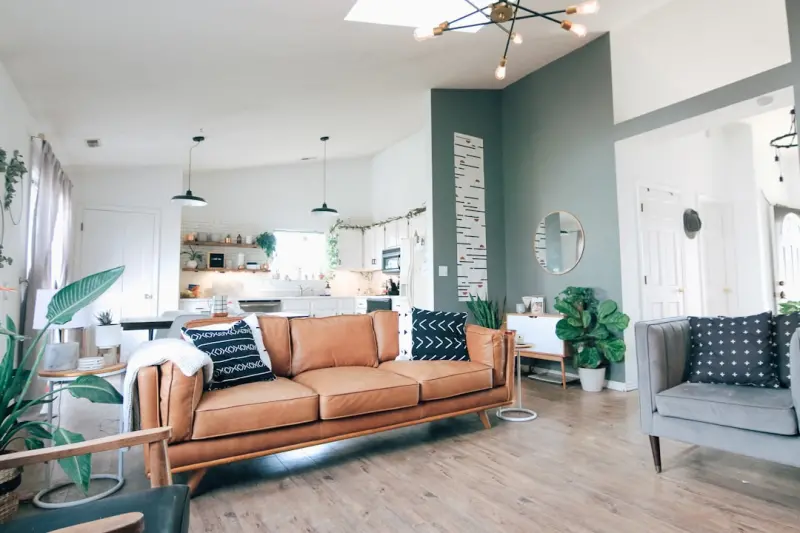
The Secret to a Stress‑Free Home: Simple Systems That Work
Learn how to create effortless home routines with micro‑zones, one‑touch habits, invisible stora... Read More
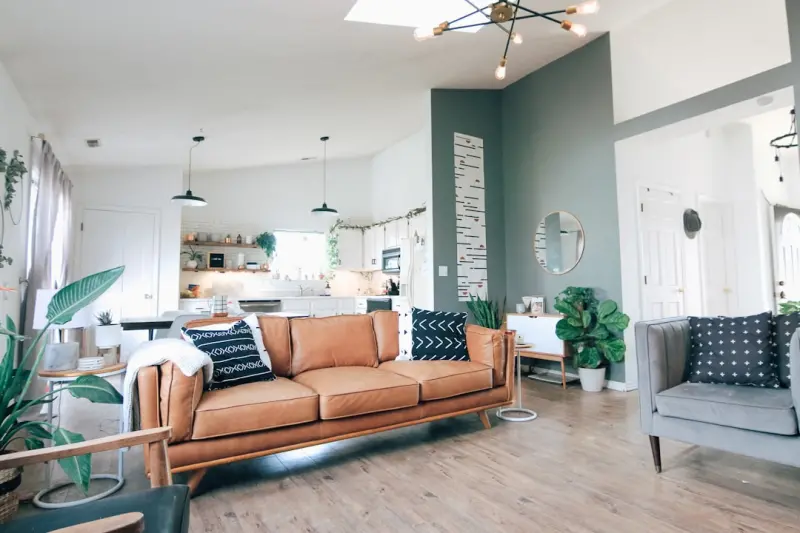
Unlocking Hidden Comfort: Unexpected Home Hacks for Modern Living
Explore innovative home tips that blend functionality with style, from layered lighting and eco‑fr... Read More

Secret Storage Hacks: Turn Everyday Items into Home Organizers
Learn how to repurpose everyday objects into hidden storage solutions that maximize space, simplify ... Read More
Top Posts

Scented Screens: How Aromatherapy Can Transform Your Virtual Workday
Aromatherapy isn’t just for spas—learn how integrating gentle scents into video calls can boost concentration, lower stress, and foster stronger teamwork in...Read More

Inside Google’s AI Tsunami: Rose DesRochers’ Front‑Row Perspective
From my front‑row seat, I dissect Google’s AI surge—how Gemini’s authenticity tools, Bard’s conversational leap, and the broader AI ecosystem are rede...Read More

Co‑Creating Campaigns: Turning Customers into Brand Architects
Co‑creating campaigns invites customers to become co‑authors of marketing assets, boosting authenticity, engagement, and ROI while future‑proofing your br...Read More

Entity‑First SEO: How SaaS Brands Can Own Their Digital Neighborhood
A fresh look at SEO for SaaS: move beyond keywords to an entity‑first strategy that leverages structured data, semantic clustering, and AI‑assisted mapping ...Read More
0 Comments
Post Comment
You will need to Login or Register to comment on this post!