
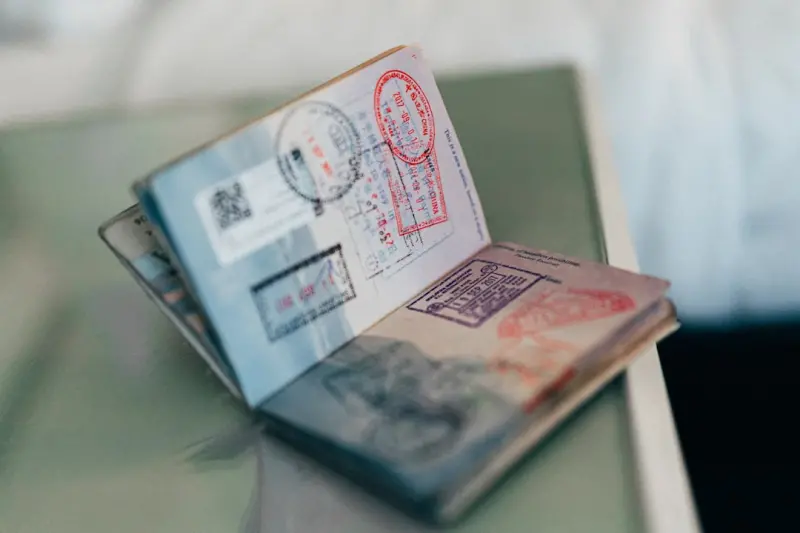
Passport Stamps as Negotiation Currency: Turning Cultural Curiosity into B2B Advantage
When I first bought a one‑way ticket to Marrakech, I didn’t think I’d ever use a souvenir from that trip in a boardroom. Yet, three years later, a faded passport stamp from that very journey became the catalyst for closing a multi‑million‑dollar partnership in the Middle East. The lesson? Travel isn’t just about scenery; it’s a live‑learning lab for building the soft skills that win deals, forge alliances, and future‑proof your company’s global strategy.
Why Cultural Curiosity Beats Conventional Market Research
Most B2B teams rely on data dashboards, competitive analyses, and white‑paper briefings to understand new markets. Those tools are essential, but they miss a critical component: the human element that only immersive travel can reveal. While a spreadsheet can tell you the size of the market, walking through a bustling souk or sharing a tea ceremony tells you how decisions are really made, who holds informal influence, and what language truly resonates.
- Non‑verbal cues: In many regions, a handshake is just the opening act. A subtle nod, eye contact duration, or even the pace of a conversation can indicate trust or hesitation.
- Rituals and rhythms: Understanding the local workday structure—whether it’s a siesta in Spain or a late‑evening meeting culture in Japan—helps you schedule outreach at moments of peak receptivity.
- Value hierarchies: Some cultures prioritize relationship longevity over price; others focus on immediate ROI. Spotting these priorities early can reshape your value proposition.
These insights are hard‑to‑quantify, yet they shift the dynamics of a pitch from “cold data” to “warm conversation.” That’s why I advocate for a systematic approach to turning passport stamps into negotiation currency.
Step 1: Map Your Travel Portfolio to Business Objectives
Before you book a flight, align the destination with a strategic goal. Ask yourself:
- Which emerging market am I targeting this quarter?
- Which key partner or client base could benefit from a face‑to‑face encounter?
- What cultural blind spots do we need to illuminate before launching a campaign?
Once the objective is clear, select a destination that offers the richest exposure to those variables. For instance, if you aim to expand into Southeast Asian fintech, a week in Singapore combined with a side trip to Jakarta gives you a dual perspective on regulatory nuance and consumer behavior.
Step 2: Treat Every Interaction as Data Collection
Travelers often think of journaling as a personal activity, but in a B2B context, it becomes a structured data‑gathering exercise. Here’s how to convert anecdotes into actionable intelligence:
- Observe the environment: Note the office layouts, seating arrangements, and even the coffee brand on the table. These subtle signals reveal corporate culture.
- Interview local stakeholders: A quick coffee chat with a mid‑level manager can surface pain points that senior executives may not articulate.
- Capture sensory details: The aroma of incense, the cadence of a local dialect, the intensity of street traffic—these sensory notes can later be woven into storytelling that feels authentic.
When you return, synthesize these observations into a cultural insights deck that complements your quantitative market reports. The deck should be concise, visual, and directly tied to your go‑to‑market strategy.
Step 3: Translate Insights into Tailored Messaging
Now that you have a repository of lived experiences, it’s time to reframe your messaging. Instead of generic value statements, craft narratives that echo the local vernacular and cultural references you encountered.
For example, after a week in Kenya, I learned that the concept of “ubuntu”—the belief in a shared humanity—resonates deeply in business discussions. By weaving that term into our proposal, we demonstrated cultural respect and positioned our solution as a partner in collective growth rather than a mere vendor.
When you embed these nuances into proposals, email outreach, and presentations, you shift the perception from “another foreign entity” to “a familiar ally.”
Step 4: Leverage the Power of Storytelling in Negotiations
Negotiations are, at their core, storytelling. You’re not just selling a product; you’re selling a vision. A well‑placed anecdote from your travels can serve as a powerful hook:
“When I was sitting in a tiny tea house in Chiang Mai, the owner told me that every new ingredient they tried was first tested with their regular customers. That mindset mirrors how we approach product rollouts—pilot, iterate, scale—ensuring every stakeholder feels heard and valued.”
This type of story does three things:
- Humanizes the speaker: It shows you’re more than a sales script.
- Demonstrates cultural empathy: You’ve taken the time to understand local practices.
- Creates a relatable parallel: It bridges the gap between your solution and the client’s everyday reality.
Step 5: Build a Travel‑Enabled Knowledge Base for the Whole Team
One traveler’s insights should never stay siloed. Create a shared repository—think of it as a “Cultural Playbook”—that the entire sales, product, and marketing teams can access. Include sections such as:
- Key cultural dos and don’ts
- Local communication styles
- Preferred negotiation tactics
- Case studies of successful regional engagements
This playbook not only accelerates onboarding for new reps but also ensures consistency in how your brand is perceived across borders.
Integrating Tech to Amplify Travel‑Derived Insights
While passport stamps are priceless, pairing them with modern tech multiplies their impact. Platforms that support low‑code/no‑code workflows let you quickly turn field notes into structured data, feeding directly into CRM enrichment pipelines. Similarly, leveraging synthetic data can help you model scenarios based on the qualitative cues you gathered, testing messaging variations before you even draft the first email.
Case Study: From Airport Lounge Conversation to a Strategic Alliance
During a layover in Dubai (yes, I know that’s a popular topic, but my focus is on the after‑effects), I struck up a conversation with a senior procurement officer from a regional telecom provider. We talked about the challenges of integrating legacy systems with modern cloud platforms. I listened, asked about their recent digital transformation initiatives, and shared a brief anecdote about a similar challenge I’d witnessed in a coworking space in Berlin.
Two weeks later, that casual chat turned into a formal discovery call, then a pilot program, and ultimately a long‑term strategic alliance worth several million dollars. The key differentiator? The procurement officer felt I “got it” because I referenced a real‑world, on‑the‑ground observation rather than a generic industry report.
Practical Tips for the Busy Executive
If you’re skeptical about dedicating time to travel, consider these low‑commitment tactics:
- Micro‑visits: Spend 2‑3 days in a key market during an industry conference; focus on informal networking.
- Virtual immersion: Join local webinars, watch regional news, and follow influencers on social platforms to supplement physical trips.
- Travel mentors: Pair senior leaders with junior staff who are frequent travelers; let the junior share on‑the‑ground insights in monthly debriefs.
Even a brief immersion can surface a cultural nuance that reshapes your go‑to‑market plan.
Measuring ROI of Travel‑Driven Negotiations
Quantifying the impact of cultural immersion isn’t as opaque as it seems. Track metrics such as:
- Deal velocity: Compare the average sales cycle length before and after integrating travel insights.
- Win rate improvement: Monitor changes in win percentages in regions where teams have completed cultural immersion trips.
- Client satisfaction scores: Post‑implementation surveys often reveal higher satisfaction when clients feel culturally understood.
When you pair these numbers with anecdotal evidence—like the Dubai case study—you build a compelling business case for continued investment in travel.
Future Outlook: The Rise of “Cultural‑First” B2B Strategies
As global supply chains become more interconnected and remote work dissolves geographic borders, the companies that excel will be those that embed cultural fluency into every layer of their operations. Travel, when approached deliberately, is the most effective catalyst for that fluency.
Imagine a world where every sales pitch begins with a locally resonant story, where product roadmaps are shaped by on‑the‑ground feedback loops, and where your brand is recognized not just for its technology but for its cultural respect. That future is already unfolding—if you’re willing to collect the passport stamps that will guide you there.

In the world of freelance writing, where creativity and adaptability are paramount, Michelle Fisher stands out as a dedicated and versatile professional. With a passion for crafting compelling narratives and a keen eye for detail, Michelle has established herself as a trusted voice.
Related Posts

Weekly Wanderings: How Tiny Trips Transform Your Mind and Work
Learn to turn travel into a weekly habit with simple planning, smart packing, and sensory journaling... Read More

The One‑Bag Challenge: Mastering Minimalist Travel Across Continents
Learn to travel with just one bag, mastering minimalist packing, tech lightness, and immersive exper... Read More

Beyond the Guidebook: Uncovering the Soul of a Destination Through Food, Sound, and Community
Explore a new way to travel that focuses on tasting local dishes, listening to street sounds, and li... Read More
Top Posts
Privacy‑First Personalization: The Growth Engine B2B Marketers Can’t Ignore
A deep dive into privacy‑first personalization shows why respecting consent and leveraging first‑party data can revitalize B2B digital marketing, delivering...Read More

Riding Google’s AI Wave: Staying Human in a Machine‑Driven World
Learn to harness Google’s AI without losing your brand’s authentic voice, using practical steps, case studies, and a human‑first perspective....Read More

The SEO Playbook for AI‑First SaaS: Turning Intent into Revenue
Traditional keyword tactics fall short for AI‑driven SaaS. This post outlines a modern SEO framework—intent mapping, semantic structuring, technical fixes, ...Read More

Riding Google’s 2026 AI Wave: An Insider Playbook for Marketers
Discover the insider strategies to master Google’s 2026 AI wave— from AI‑first content to structured data and new performance metrics—so marketers can t...Read More
0 Comments
Post Comment
You will need to Login or Register to comment on this post!