
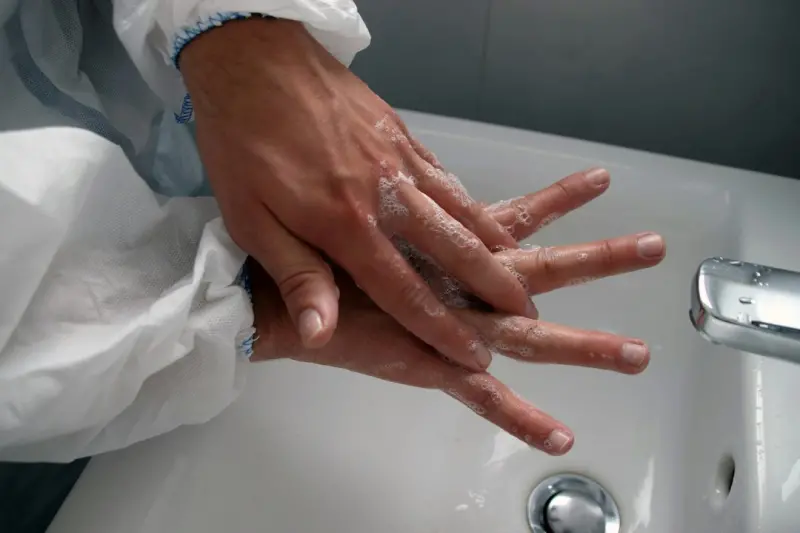
When the hum of a server farm meets the soft thrum of a heartbeat, an unexpected dialogue begins—one that asks how technology can quietly nurture, rather than disrupt, our most fundamental health asset: our nervous system. I’m Margaret Thomson, and I’ve spent the last decade navigating the crossroads of high‑performance work environments and personal well‑being. What I’ve discovered is a subtle, often overlooked discipline I like to call sensory hygiene: the intentional curation of the sights, sounds, smells, and tactile cues that constantly bombard us, especially in a world that never truly powers down.
Why Sensory Hygiene Matters More Than Ever
Our brains are wired for efficiency. In prehistoric times, a sudden rustle in the underbrush meant a predator was near, so a rapid sensory alert system evolved to keep us alive. Today, the same alert system fires off at the ping of a new email, the glow of a notification, or the low‑frequency hum of an air‑conditioning unit. Chronic exposure to these low‑grade stressors can tip the balance toward allostatic overload, a state where the body’s stress‑response mechanisms stay activated far longer than needed. The consequences? Impaired sleep, diminished immune function, and a steady erosion of mental clarity.
Enter sensory hygiene. By deliberately shaping the ambient environment, we give our nervous system permission to reset, recover, and ultimately perform at its highest level. Think of it as the “clean‑room” protocol for the mind: just as a semiconductor fab eliminates dust, we eliminate unnecessary sensory “noise.”
Three Pillars of Sensory Hygiene
- Visual Calm – Light, color, and clutter directly affect circadian rhythms and visual fatigue.
- Aural Balance – The frequency, volume, and pattern of sounds dictate stress hormone release.
- Tactile Grounding – Textures and temperature cue the autonomic nervous system, influencing relaxation or alertness.
Visual Calm: Designing Light and Space
Natural light is the gold standard for circadian alignment. Yet many modern offices and home workspaces rely on harsh LED panels that emit a high proportion of blue wavelengths—precisely the spectrum that tells our brains it’s daytime. The result: delayed melatonin production and restless nights.
Simple, low‑tech adjustments can make a world of difference. Consider the Low‑Tech Hacks That Actually Stick guide for decluttering; a clean visual field reduces visual “noise” and eases the brain’s effort to process unnecessary information. Adding a desk lamp with a warm, amber hue for evening work, or swapping standard blinds for sheer curtains that diffuse sunlight, can align your visual environment with your natural rhythm.
Color also plays a subtle role. Soft blues and greens have been shown to lower heart rate and reduce perceived stress, while bright reds can raise alertness. If you’re designing a focused‑work zone, opt for muted earth tones. For a creative brainstorming area, a splash of energizing orange can be a strategic catalyst—just keep it contained to avoid overstimulation.
Aural Balance: Curating Soundscapes
Our modern soundscape is a patchwork of background chatter, HVAC whir, and relentless notification chimes. While some people thrive on a low level of ambient noise, most benefit from a consistent, soothing auditory backdrop. The key is predictability—the brain finds comfort in patterns.
Consider using a Micro‑Movements: Tiny Physical Hacks to Boost Office Health approach that includes scheduled “sound breaks.” Set a timer every hour to pause, close your eyes, and listen to a single, steady tone—a low‑frequency hum, a gentle wind chime, or even a metronome set to 60 bpm, which mirrors a relaxed heart rate. This brief auditory reset can lower cortisol spikes caused by sudden, jarring noises.
If you work in an open‑plan environment, noise‑cancelling headphones can be a double‑edged sword. While they block distractions, they also isolate you from social cues, which can increase feelings of loneliness over time. A middle ground is to use “ambient sound apps” that play nature recordings at a low volume, providing a sense of presence without intruding on collaborative communication.
Tactile Grounding: The Power of Touch and Temperature
Touch is often the most neglected sensory channel in office design, yet it offers a direct line to the parasympathetic nervous system—the “rest‑and‑digest” branch that counteracts stress. Simple actions like placing a smooth stone in your palm, using a textured mousepad, or adjusting the temperature of your chair can send calming signals to the brain.
One practice I’ve adopted is the “five‑minute grounding ritual.” Before diving into a high‑stakes meeting, I step away from my desk, stand barefoot on a natural surface (or a rug that mimics natural fibers), and focus on the sensation of the ground supporting my weight. This brief proprioceptive cue helps reset the autonomic nervous system, making it easier to enter the meeting with a calm, centered mindset.
Integrating Biofeedback Wearables
Technology doesn’t have to be the enemy of sensory hygiene; it can be the ally. Biofeedback wearables—devices that monitor heart rate variability (HRV), skin conductance, and even respiration—provide real‑time data about how your nervous system is responding to environmental cues.
When you notice a dip in HRV after a particularly noisy conference call, you have a concrete reason to adjust your environment: lower the volume, switch to a different headset, or take a brief movement break. Over time, these data points create a personalized map of “stress hotspots,” guiding you to make evidence‑based changes rather than relying on guesswork.
Many leading wearables now integrate with smartphone ecosystems, allowing you to set automated triggers. For example, if your device detects a sustained rise in cortisol‑linked markers, it can cue a calming playlist, dim the lights, or remind you to perform the five‑minute grounding ritual.
Creating a Personal Sensory Hygiene Blueprint
To turn these concepts into habit, I recommend a three‑step framework:
- Audit – Spend a week noting moments of heightened stress and the associated sensory inputs (bright light, loud chatter, uncomfortable chair).
- Adjust – Implement one low‑effort change per pillar each week. Start with visual (e.g., swap a lamp), then aural (add a sound break), then tactile (introduce a grounding object).
- Measure – Use a wearable or simple self‑report scale to track changes in focus, sleep quality, and overall mood.
Consistency is the secret sauce. Just as you would train a muscle, you must train your environment. Over a 30‑day period, many of my colleagues have reported a 20‑30% improvement in perceived stress levels, better sleep latency, and a noticeable boost in creative output.
Beyond the Office: Extending Sensory Hygiene to Home Life
Our workspaces are only a slice of the day. The principles of sensory hygiene translate seamlessly to the home environment. In the evening, dim the lights, turn off screens, and replace high‑frequency background music with slower, melodic tones. In the kitchen, replace harsh fluorescent bulbs with warm pendant lighting to promote a relaxed dining atmosphere.
Even the act of preparing a meal can become a sensory ritual. The rhythmic chopping of vegetables, the aromatic rise of herbs, and the tactile feel of dough can anchor you in the present moment, counteracting the mental clutter that builds up after a day of digital interaction.
Future Trends: Sensory‑Responsive Spaces
Looking ahead, we’re moving toward environments that automatically adapt to our physiological state. Imagine a conference room that dims its lights, lowers ambient noise, and subtly shifts its temperature when a wearable detects elevated stress levels among participants. While still emerging, such responsive spaces embody the next evolution of sensory hygiene—where the environment becomes a dynamic partner in health, rather than a static backdrop.
Until that day arrives, the tools are already in your hands. By taking control of the visual, aural, and tactile elements that surround you, you empower your nervous system to rest, recover, and thrive. The result is not just a healthier you, but a more focused, resilient, and innovative professional ready to meet the challenges of a hyper‑stimulating world.

Margaret Thomson is a seasoned freelance writer specializing in the dynamic worlds of marketing and advertising. With a career deeply rooted in the marketing field, Margaret brings a wealth of practical experience and insightful knowledge to her writing.
Related Posts
Micro‑Movements: Tiny Exercises That Transform Your Health
Learn how simple, five‑minute micro‑movement routines can reshape your daily life, increase vita... Read More

Eating on the Clock: Aligning Meals with Your Remote Work Rhythm
Discover a practical framework for timing meals to match your personal energy peaks, improve product... Read More

Hydration Hacks: Fueling Brain Power for Tech Professionals
A deep dive into how strategic hydration can sharpen focus, improve mood, and enhance productivity f... Read More
Top Posts

Riding Google’s 2024 AI Wave: Rose DesRochers’ Insider Playbook for Marketers
Rose DesRochers shares insider tactics to navigate Google’s 2024 AI wave, turning semantic depth into higher rankings and AI‑generated SERP dominance....Read More

Transform Your Home into a Quiet Powerhouse for Productivity
Learn how to map sound, seal gaps, add soft surfaces, and use smart devices to create a quiet, productive home environment that boosts focus and well‑being....Read More
Gamify Your Funnel: Turning Lead Nurture into a Playful Journey
Learn how to redesign your B2B funnel with game mechanics—progress bars, quests, and rewards—to increase engagement, accelerate conversions, and build lasti...Read More
Multimodal SEO: Optimizing for Image, Video, Voice, and AI Search
Learn the strategies to optimize your content for image, video, voice, and AI-driven search results, ensuring your brand shines across every search modality....Read More
0 Comments
Post Comment
You will need to Login or Register to comment on this post!