
From Boardroom to Beach: Why Workcations Are the New Frontier in Travel
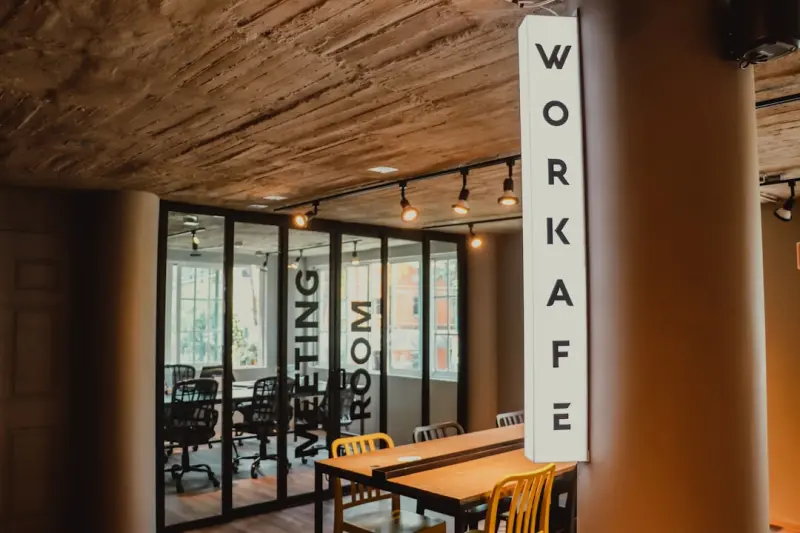
When I first booked a “workcation” last spring, I expected a handful of hotel desks and a shaky Wi‑Fi connection. What I got was a revelation: a seamless blend of productivity and pleasure that redefined how I think about travel. The old dichotomy—work at home, vacation elsewhere—has cracked open, and a new breed of traveler‑professional is stepping through.
The Evolution of the Modern Nomad
For decades, the term “digital nomad” conjured images of freelancers perched on beachfront cafés, laptop open, chasing the next gig. Today, the concept has matured. Corporations are increasingly sponsoring extended stays in locations that offer both reliable infrastructure and a lifestyle edge. This isn’t a hobby; it’s a strategic shift that aligns talent retention, employee well‑being, and global market insight.
Why Companies Are Betting on Workcations
Research shows that employees who mix work with leisure report higher engagement and lower burnout. The key is intentional design: selecting destinations with strong broadband, coworking ecosystems, and a cultural vibe that fuels creativity. When a team can brainstorm in a sunrise‑lit co‑working space, then unwind with a sunset surf session, the resulting synergy is palpable.
Choosing the Right Destination: Beyond the Tourist Map
Not every tropical paradise or mountain retreat can sustain a week‑long sprint of meetings, deliverables, and client calls. The sweet spot lies where three factors intersect:
- Connectivity: 5G or fiber‑optic broadband that can handle video conferencing without a hiccup.
- Community: A thriving coworking scene that offers networking, mentorship, and a sense of belonging.
- Culture: Local experiences that inspire—whether it’s street food markets, art districts, or nature trails.
For instance, the coastal town of Tulum has transformed from a backpacker hotspot into a hub for tech‑savvy professionals, complete with eco‑friendly coworking pods powered by solar panels.
The Hidden Productivity Boost of Travel Rhythm
It might sound counterintuitive, but a change in environment can recalibrate your internal clock, leading to sharper focus. Studies on circadian rhythms suggest that exposure to natural light and varied daily routines can improve alertness. If you’re curious how biology plays into this, see how your body clock can boost travel stamina and overall performance.
Designing a Workcation That Doesn’t Feel Like Work
Start with a clear agenda. Map out core work hours—usually two to three focused blocks—then build leisure around them. Here’s a sample daily structure:
- 07:00‑08:00 – Sunrise jog or yoga on the beach.
- 08:30‑12:00 – Deep work session in a coworking space.
- 12:00‑13:30 – Lunch at a local market, sampling regional dishes.
- 14:00‑17:00 – Collaborative meetings or client calls.
- 18:00‑20:00 – Cultural immersion: museum tours, cooking classes, or sunset hikes.
- 21:00 onward – Light reading or a stroll, winding down for quality sleep.
The rhythm respects both productivity peaks and the human need for exploration.
Tech Stack Essentials for the Mobile Office
While a reliable internet connection is non‑negotiable, the right software tools turn a remote desk into a command center. Cloud‑based project management platforms, secure VPNs, and collaboration suites that sync across devices are the backbone. And don’t forget a solid backup solution—nothing ruins a workcation like a lost file.
Data‑Driven Personalization: Tailoring Your Experience
One of the most exciting trends is the use of personal data to craft hyper‑relevant itineraries. By voluntarily sharing preferences—favorite cuisines, activity levels, even work habits—travel platforms can suggest accommodations, coworking spots, and local experiences that feel hand‑picked. Dive deeper into the power of personal data with leveraging zero‑party data for tailored itineraries.
The Role of Sustainable Practices
Travelers today are increasingly conscious of their carbon footprint. Workcation destinations that prioritize sustainability—green hotels, bike‑share programs, and locally sourced food—align with both corporate ESG goals and personal values. Choosing a location that invests in renewable energy not only reduces environmental impact but also often translates to lower operational costs for businesses.
Building Community on the Go
Isolation can be a hidden pitfall of remote work. Fortunately, many emerging workcation hubs host regular meet‑ups, hackathons, and cultural festivals. These events foster organic networking, allowing you to exchange ideas with fellow professionals from different industries. In turn, this cross‑pollination fuels innovation back at the office.
Case Study: The Rise of a Coastal Tech Village
Take the example of the “Tech Village” in the southern coast of Portugal. Once a quiet fishing town, it attracted a wave of startups and remote teams seeking a balanced lifestyle. Within two years, the village saw a 40% increase in local employment, a surge in boutique hotels equipped with coworking lounges, and a thriving community of digital creators. The success story underscores how strategic investment in infrastructure can turn a sleepy locale into a magnet for talent.
Legal and Logistical Considerations
Before you pack your laptop, be aware of visa requirements, tax implications, and insurance coverage. Some countries now offer “digital nomad visas” that grant extended stays for remote workers. Meanwhile, corporate travel policies need to adapt—covering coworking memberships, ergonomic furniture rentals, and even wellness allowances for activities like surf lessons or mountain biking.
Health & Wellness: The Hidden ROI
Physical and mental health are directly tied to performance. A workcation that includes access to fresh, local produce, outdoor exercise, and mindfulness sessions can dramatically reduce stress levels. Companies that invest in wellness stipends for these experiences often see a measurable boost in employee satisfaction and retention.
Measuring Success: Metrics That Matter
To justify the expense, leaders should track key performance indicators (KPIs) such as:
- Productivity Index: Output per hour compared to baseline office performance.
- Engagement Scores: Post‑trip surveys measuring morale and burnout.
- Innovation Rate: Number of new ideas or process improvements generated during the stay.
- Cost‑Benefit Analysis: Savings on office overhead versus travel and accommodation expenses.
When these metrics show a net positive, the case for expanding workcation programs becomes undeniable.
Future Outlook: Hybrid Horizons
As the line between work and leisure continues to blur, we can expect a surge in purpose‑built “live‑work‑play” complexes. Imagine skyscrapers where the 10th floor is a state‑of‑the‑art coworking hub, the 11th a rooftop garden for meditation, and the 12th a gourmet kitchen offering cooking workshops with local chefs. This holistic approach will redefine the travel experience for the next generation of professionals.
Practical Tips for Your First Workcation
- Start Small: Test a short stay (3‑5 days) in a city you’ve visited before to gauge how well you can maintain focus.
- Scout the Space: Book a coworking desk ahead of time; read reviews about noise levels and amenities.
- Set Boundaries: Communicate clear “office hours” to teammates and family to avoid overworking.
- Pack Smart: Include a portable monitor, noise‑cancelling headphones, and a power strip.
- Embrace the Local: Schedule at least one cultural activity each day to keep your mind fresh.
Conclusion: The Workcation as a Competitive Advantage
The workcation isn’t a fleeting trend; it’s a strategic lever for businesses aiming to attract top talent, boost creativity, and foster resilience. By thoughtfully selecting destinations, leveraging technology, and prioritizing well‑being, professionals can turn every trip into a catalyst for growth. The world is no longer a place you leave for work—you bring work with you, and together they create a richer, more vibrant experience.

David Moore is a freelance writer specializing in two dynamic and ever-evolving fields: gambling and the tech industry. With a keen eye for detail and a knack for unraveling complex topics, David delivers insightful and engaging content that keeps readers informed and entertained.
Related Posts

Micro‑Escapes: The Power of Ultra‑Short Getaways in a Hyper‑Connected World
Micro‑escapes—brief, purposeful trips lasting a few hours to a weekend—are reshaping travel an... Read More

Taste the Road: Building Your Personal Food Trail for Authentic Travel
Explore a fresh travel approach by using food as a compass—learn how to craft a personal culinary ... Read More

Strategic Vacations: Turning Leisure Into Business Insight
Learn how to design a Strategic Vacation that blends relaxation with purposeful observation, turning... Read More
Top Posts

Google AI Wave: Why Human Connection Still Wins
Explore the impact of Google’s AI on marketing, learn why human connection remains vital, and get actionable steps to keep your brand authentic in a machineâ€...Read More
Navigating the Google Privacy Sandbox: A SaaS Playbook for a Cookieless Future
The Google Privacy Sandbox is rewriting how SaaS businesses collect and use data. This post outlines a practical playbook—covering acquisition, analytics, and...Read More
Observability as a Service: Turning Data Noise into Strategic Insight
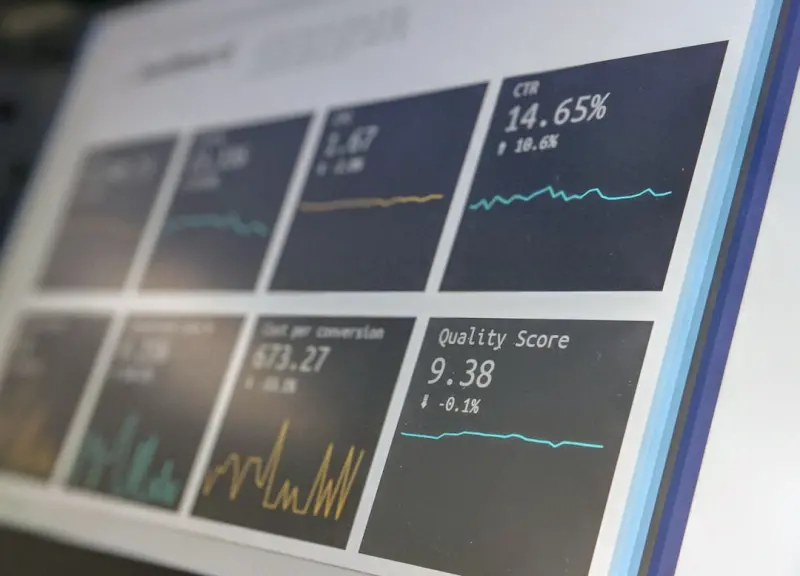
Observability as a Service converts raw metrics, logs, and traces into a unified, AI‑driven narrative, empowering SaaS teams to ship faster, reduce downtime, ...Read More

Edge Computing Unleashed: A New Frontier for SaaS Innovation
Edge computing is reshaping SaaS by delivering sub‑second response times, enhancing security, and opening new product possibilities. This guide offers a pract...Read More
0 Comments
Post Comment
You will need to Login or Register to comment on this post!