
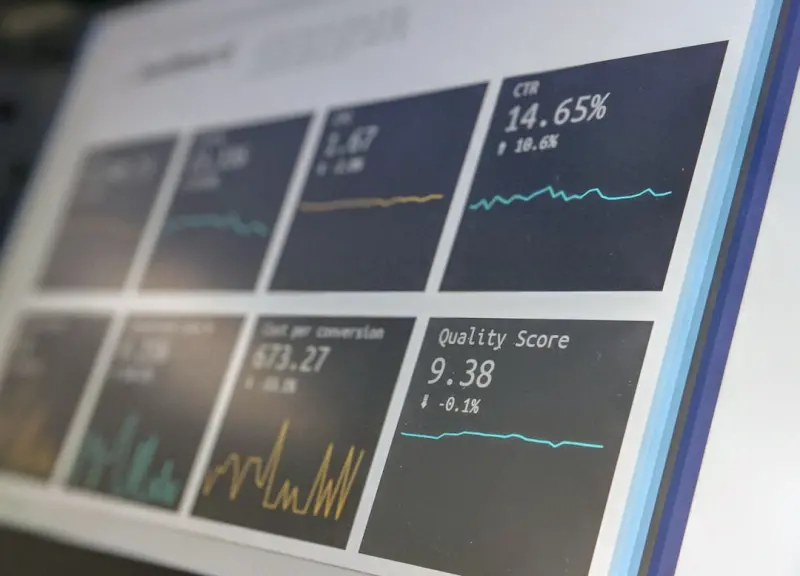
When I first stepped into the chaos of a startup’s prod‑log stream, it felt like trying to hear a whisper in a stadium full of screaming fans. Every metric, trace, and log entry was shouting, yet the real story was buried under noise. That’s why I’ve become a fierce advocate for Observability as a Service (OaaS) – a paradigm shift that turns that deafening roar into a crystal‑clear conversation between your product, your engineers, and your customers.
Why “Observability” Is More Than Just Monitoring
Traditional monitoring is the equivalent of a security guard checking a handful of doors. It tells you when something is wrong, but not why. Observability, on the other hand, is a holistic mindset: you collect, correlate, and contextualize telemetry so that you can answer any question about system behavior without pre‑building every possible alert.
In a B2B SaaS world where customers demand sub‑second SLAs and zero‑downtime deployments, the ability to diagnose in real time isn’t a nice‑to‑have; it’s a competitive moat.
From DIY Stack to OaaS: The Evolution Curve
Most early‑stage SaaS teams cobbled together open‑source tools – Prometheus for metrics, Loki for logs, Jaeger for traces. The stack works, but it comes with hidden costs:
- Operational overhead of scaling collectors and storage.
- Fragmented data silos that make cross‑signal analysis a nightmare.
- Skill gaps that force engineers into firefighting mode rather than innovating.
Observability platforms now package these capabilities into a managed service, delivering:
- Unified Data Model – Metrics, logs, and traces live side‑by‑side, searchable with a single query language.
- AI‑Driven Anomaly Detection – Machine‑learning models flag abnormal patterns before they hit customers.
- Dynamic Dashboards – Context‑aware visualizations that adapt to the persona viewing them (product, ops, finance).
How OaaS Powers Business Outcomes
Let’s translate the tech jargon into boardroom language. When you shift from “monitor‑and‑react” to “observe‑and‑predict”, you unlock three strategic levers:
1. Accelerated Release Velocity
With real‑time visibility, developers gain immediate feedback on feature flags, can‑ary releases, and performance regressions. The result? A continuous delivery pipeline that moves from days to minutes without compromising reliability.
2. Revenue‑Protecting Reliability
Every minute of downtime translates to churn, especially for enterprise contracts with strict SLA penalties. OaaS reduces Mean Time to Detect (MTTD) and Mean Time to Resolve (MTTR) by surfacing root‑cause insights automatically, keeping revenue streams intact.
3. Data‑Driven Product Roadmaps
Telemetry is a goldmine of user behavior. By correlating feature usage with latency spikes, product managers can prioritize investments that truly matter to customers, turning engineering data into strategic product decisions.
Building an OaaS Strategy: A Pragmatic Playbook
Jumping straight into a premium observability platform can be tempting, but a measured approach ensures you get the most ROI.
Step 1 – Define Success Metrics
Before you instrument anything, ask: what does success look like for my organization? Is it a 30% reduction in MTTR? A 20% improvement in user‑perceived latency? These metrics become the north star for every downstream configuration.
Step 2 – Instrument with Intent
Don’t just dump every log line into the cloud. Identify critical business transactions (e.g., “invoice generation”, “data export”, “user authentication”) and instrument tracing spans around them. This focus reduces storage costs and improves signal‑to‑noise ratio.
Step 3 – Leverage Built‑In AI
Most OaaS vendors now embed anomaly detection models that learn your baseline behavior. Enable these out‑of‑the‑box alerts, but also feed them with domain‑specific thresholds so the system knows when a “spike” is truly an issue versus a seasonal traffic surge.
Step 4 – Integrate with Incident Response
Observability isn’t valuable if the alert never reaches the right person. Connect your platform to incident‑management tools (PagerDuty, Opsgenie) and embed runbooks directly into alerts. This creates a seamless handoff from detection to remediation.
Step 5 – Close the Loop with Product
Export aggregated insights to your product analytics layer. When you see that a new API endpoint consistently adds 150 ms of latency, you can surface that insight to product managers, who can then decide whether to refactor, deprecate, or invest in scaling.
Case Study: Observability Meets Composability
One of our customers, a fast‑growing fintech SaaS, recently migrated from a home‑grown stack to a composable observability platform. By adopting a Composable SaaS architecture, they were able to plug in specialized telemetry modules for compliance, fraud detection, and real‑time reporting without rebuilding their core data pipeline.
The outcome was striking:
- MTTR dropped from 45 minutes to under 8 minutes.
- Feature release cycle shortened by 40%, enabling them to beat competitors to market.
- Customer‑reported latency complaints fell by 70% after correlating trace data with UI performance metrics.
This example illustrates how observability isn’t an isolated tool; it’s a catalyst that amplifies the benefits of modular, Edge Computing‑enabled SaaS products.
The Edge Factor: Real‑Time Observability at the Network Edge
As workloads shift closer to the user—think edge functions for personalization, IoT telemetry aggregation, or low‑latency trading—observability must follow. Edge‑native agents collect telemetry locally and forward only distilled insights to the central platform, preserving bandwidth and reducing latency in the monitoring loop itself.
When you combine OaaS with edge computing, you gain a feedback loop that’s truly real‑time. An anomaly detected at the edge can trigger an immediate throttling or routing decision, preventing a cascade of failures before they reach your core services.
Security & Compliance: Observability as a Guardrail
Regulated industries (finance, healthcare, government) often view observability as a liability—more data, more risk. The truth is the opposite. Modern OaaS platforms provide:
- Encrypted in‑flight and at‑rest storage.
- Fine‑grained access controls with role‑based policies.
- Audit trails that satisfy GDPR, HIPAA, and SOC 2 requirements.
By treating telemetry as a compliance asset, you turn what used to be a “monitoring afterthought” into a proactive audit mechanism.
Choosing the Right OaaS Provider
Not all observability services are created equal. Here’s a quick rubric to evaluate potential partners:
| Criterion | What to Look For |
|---|---|
| Data Model Flexibility | Unified schema for metrics, logs, traces. |
| AI Capabilities | Built‑in anomaly detection, predictive alerts. |
| Edge Support | Lightweight agents, local aggregation. |
| Compliance Certifications | ISO 27001, SOC 2, GDPR readiness. |
| Pricing Transparency | Predictable per‑GB or per‑event pricing, no hidden egress fees. |
Future‑Proofing Your Observability Investment
The observability landscape is evolving rapidly. Here are three trends you should keep on your radar:
- Generative Telemetry – AI models that can synthesize missing traces or logs, filling gaps in sparse data environments.
- Observability‑as‑Code – Declarative configurations stored in version control, enabling repeatable, testable telemetry setups.
- Cross‑Cloud Federation – Unified observability across multi‑cloud deployments, breaking the vendor lock‑in of siloed dashboards.
By adopting a platform that embraces these innovations today, you safeguard your investment against tomorrow’s tech shifts.
Takeaway: Turn Noise Into Narrative
Observability as a Service is the bridge between raw telemetry and actionable business insight. It empowers engineering teams to ship faster, protects revenue by minimizing downtime, and equips product leaders with the data they need to prioritize wisely. In a world where every millisecond of latency can win or lose a contract, turning “noise” into a clear narrative is no longer optional—it’s essential.
If you’re still treating observability as a cost center, you’re probably paying for it in hidden downtime, missed revenue, and endless firefighting. The moment you flip the switch to a managed, AI‑enhanced OaaS platform, you’ll discover a new level of operational confidence that fuels growth, innovation, and customer delight.

Sanji Patel has dedicated 25 years to the SEO industry. As an expert SEO consultant for news publishers, he emphasizes providing both technical and editorial SEO services to news publishers worldwide. He frequently speaks at conferences and events globally and offers annual guest lectures at local universities.
Related Posts

Composable Architecture: The New Blueprint for Agile SaaS Development
Composable architecture breaks monolithic SaaS into modular, API‑first components, enabling faster... Read More

Ambient Computing: The Silent Engine Powering Modern Enterprises
Ambient computing embeds intelligent services into everyday tools, creating seamless, context‑awar... Read More

How Digital Twins Are Redefining SaaS Product Development
Digital twins turn SaaS systems into live, data‑driven simulations, letting product teams forecast... Read More
Top Posts

Tiny Rituals for a Home That Feels Like a Warm Embrace
Learn simple, sustainable home habits—from entryway organization to indoor gardening—that transform everyday spaces into a nurturing sanctuary....Read More

Edge Computing Unleashed: How Decentralized Tech Is Redefining Real‑Time Innovation
Explore the rise of edge computing and its impact on latency, security, and AI, with real‑world examples and practical insights for tech innovators....Read More

Unlocking the Power of Google’s Generative AI for SaaS Knowledge Management
Learn how to harness Google’s generative AI to turn fragmented documentation into instant, context‑aware insights, improving support, sales, and development...Read More

Quantum Edge: How Tomorrow’s Computing Is Redefining Everyday Tech
Quantum edge computing merges quantum speed with on‑device processing, delivering instant, secure experiences for smart cities, health wearables, and everyday...Read More
0 Comments
Post Comment
You will need to Login or Register to comment on this post!