
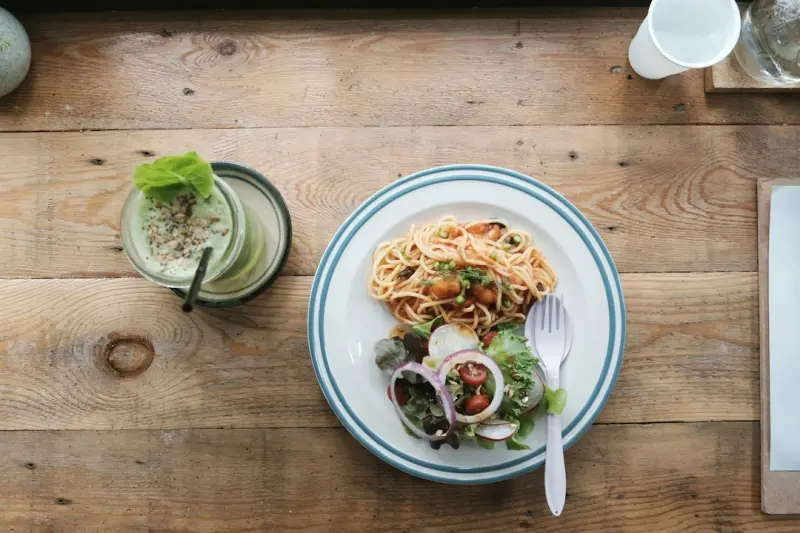
Why Food Becomes the Compass on Modern Journeys
There’s a strange magic that happens when you sit down at a table you didn’t know existed. The clink of a spoon, the aroma of spices you can’t name, the laughter of strangers who become companions for an hour—these moments stitch together the map of a place far more vividly than any brochure ever could. For me, the journey has always been about the stories that unfold between courses, and lately I’ve been charting those stories with the precision of a cartographer, turning each bite into a waypoint.
From Tourist Traps to Neighborhood Nooks
When I first set foot in a new city, the instinct is to follow the well‑trod path: the iconic museum, the famous market, the postcard‑perfect café. It’s comfortable, it’s safe, and it’s what most guidebooks recommend. But after a few trips, that formula feels stale. The real pulse of a place lives in the alleys where locals gather for lunch, the street‑side stalls that open before sunrise, the family‑run bakeries that have been perfecting a single loaf for generations.
My new approach is simple: start with a single dish that intrigues you and let it lead you to the next. If you love a tangy tamarind soup in a bustling market, ask the vendor where the freshest fish is caught. Follow that thread to a seaside shack, and you might discover a hidden cove where the locals surf at dawn. Food becomes the compass, pointing you toward experiences you never would have mapped on a conventional itinerary.
Designing Your Own Culinary Trail
Creating a personal food trail isn’t about checking off a list of “must‑try” dishes. It’s about building a narrative that reflects your palate, curiosity, and willingness to wander off the beaten path. Here’s a step‑by‑step guide I’ve refined over years of wandering with a fork in hand.
- Identify a culinary hook. Choose a flavor profile, ingredient, or cooking method that excites you. Maybe it’s the smoky depth of charcoal‑grilled octopus or the bright burst of fresh herbs in a regional salad.
- Research the source. Dive into the story behind that ingredient. Where does it grow? Which season brings it to market? A quick search can reveal festivals, harvests, or even a local cooperative you can visit.
- Map the first stop. Use a mapping tool or a handwritten sketch to plot the nearest market, restaurant, or street vendor that offers the dish. Mark the opening hours and any quirks—does the stall only operate on weekends?
- Ask for recommendations. Talk to the chef, the vendor, or fellow diners. Their suggestions often point to the next culinary waypoint, whether it’s a hidden tea house or a family‑run bakery a few blocks away.
- Document the journey. Take notes, snap photos of the plating, and jot down the conversation you had. Over time, you’ll have a living travel diary that reads more like a story than a checklist.
The Power of Serendipity
One of the most rewarding aspects of this method is the room it leaves for serendipity. While I once meticulously planned every meal on a trip to Kyoto, I learned the hard way that the best ramen bowl I ever tasted was discovered after I followed a stray dog into a narrow lane and stumbled upon a tiny shop that didn’t appear on any map. That unexpected encounter reminded me that travel isn’t just about the destinations we mark, but the unplanned detours that add flavor to the experience.
In fact, embracing spontaneity can be a strategic move. A recent article I read on turn short getaways into epic stories highlighted how a handful of unplanned moments can transform an ordinary weekend into a narrative worth retelling. By allowing a dish to lead the way, you hand over the reins to the city’s own rhythm, letting locals guide you to hidden gems.
Connecting Food to Culture
Every region’s cuisine is a living museum of its history, geography, and values. When you sample a fermented bean paste from a mountain village, you’re tasting centuries of preservation techniques that kept communities fed through harsh winters. When you break bread with a family in a rural town, you’re partaking in a ritual that signifies hospitality and shared labor.
These connections deepen the travel experience. Instead of viewing food as a simple commodity, you begin to see it as a cultural artifact. It encourages you to ask deeper questions: Why is this spice used so liberally? How does the climate influence the cooking methods? What stories do the elders tell about the origins of this dish?
Practical Tips for the Food‑Focused Traveler
While the concept sounds romantic, the reality of traveling on a foodie compass can be challenging. Here are some practical considerations to keep the adventure smooth:
- Stay flexible with accommodations. Choose lodgings near food districts or with kitchen facilities, so you can hop between eateries without long commutes.
- Learn key phrases. Even a simple “Where is the best place for ___?” in the local language can open doors to hidden spots.
- Respect local customs. Some cultures have specific dining etiquette—knowing these can prevent awkward moments and earn you genuine hospitality.
- Carry a reusable container. Many street vendors appreciate customers who bring their own bowls or bags, and it reduces waste.
- Balance indulgence with health. A day of heavy tasting can be taxing. Hydrate, pace yourself, and incorporate lighter meals to stay energized for the next culinary adventure.
Technology as a Sidekick, Not a Driver
In an era where AI and data dominate travel planning, I find that the best discoveries still happen offline. However, technology can be a supportive sidekick. Apps that crowdsource real‑time reviews, translation tools that help you order confidently, and platforms that map food festivals can enhance the experience without stealing the spontaneity.
For those curious about the interplay between tech and travel, there’s an intriguing piece titled beyond the bucket list that explores how AI can personalize journeys. While fascinating, my personal philosophy remains that the most memorable meals are those discovered when the algorithm takes a back seat and the senses take the lead.
Case Study: A Culinary Trail Through Southern Italy
To illustrate how this method works in practice, let me walk you through a recent trip to the heel of Italy’s boot. I began with a single craving: fresh burrata, the creamy cheese that melts on the tongue. My first stop was a modest dairy farm outside Puglia, where the cheesemaker explained the seasonal cycles that affect the milk’s texture. He invited me to watch the curdling process, and we shared a simple lunch of burrata drizzled with local olive oil.
From there, the farmer suggested a nearby fishing village known for its anchovy preserves. I followed a winding road to a tiny port where a family‑run shop offered a tasting of anchovy‑infused focaccia. The owner told stories of how the town’s fishermen would trade their catch for fresh herbs from the hills, creating a symbiotic culinary relationship that has lasted generations.
The next recommendation came from a teenage apprentice at the focaccia shop: “You must try the orecchiette with broccoli rabe at the trattoria on the hill.” The trattoria was perched on a slope overlooking the sea, its patio shaded by ancient olive trees. The dish arrived with a drizzle of garlic-infused olive oil, and the bitter greens perfectly balanced the pasta’s chewiness. After the meal, the owner invited me to join a communal dinner where locals sang folk songs while sharing homemade limoncello.
By the end of the week, I had woven a narrative that connected dairy farms, fishing villages, and hilltop trattorias—each stop a chapter that enriched my understanding of the region’s culture, economy, and landscape. The trail was not a pre‑planned itinerary; it was an organic map drawn by the people I met and the flavors they shared.
Turning Your Trail into a Story Worth Sharing
One of the most satisfying outcomes of this approach is the story you can share with friends, family, or an online audience. Your culinary trail becomes a living document that inspires others to explore beyond the obvious. When you post photos of a humble street vendor’s dumplings alongside a narrative about the vendor’s family history, you’re not just showcasing food—you’re preserving a slice of cultural heritage.
Consider turning your travel journal into a series of short videos or a blog that maps each culinary waypoint. The visual and textual blend can transport readers to the bustling market stalls, the quiet vineyards, or the rooftop cafés you discovered. In doing so, you become a conduit for cultural exchange, encouraging a more thoughtful and immersive style of travel.
Final Thoughts: Let Your Taste Buds Lead the Way
Travel is an ever‑evolving conversation between the traveler and the world. By allowing food to guide you, you’re inviting the local narrative to take the lead, turning each bite into a dialogue, each dish into a destination. The result isn’t just a collection of meals—it’s a tapestry of stories, friendships, and memories that linger long after the flavors fade.
So the next time you book a flight, skip the generic “top‑10 attractions” list. Instead, pick a flavor, follow the trail, and let the roads you travel be as rich and varied as the dishes you discover along the way.

Margaret Thomson is a seasoned freelance writer specializing in the dynamic worlds of marketing and advertising. With a career deeply rooted in the marketing field, Margaret brings a wealth of practical experience and insightful knowledge to her writing.
Related Posts

Why Subscription Services Are Redefining How We Vacation
Subscription travel is turning vacations into curated experiences, blending AI personalization, modu... Read More

Remote Nomad Hubs: Crafting a Portable Life of Work and Wanderlust
Discover the rise of remote nomad hubs, where reliable connectivity, curated community, and flexible... Read More

The Hidden Joy of Train Travel: Turning Transit into Destination
Train travel is more than transportation; it's a sustainable adventure that blends technology, welln... Read More
Top Posts

Turning Employees into Brand Ambassadors: A Playbook for SaaS Marketing
Learn a step‑by‑step framework to build a sustainable employee advocacy program that amplifies reach, shortens sales cycles, and creates authentic brand tru...Read More

SEO as Storytelling: Crafting Narrative‑Driven Search Strategies for B2B SaaS
This post reimagines SEO as a narrative arc—exposition, rising action, climax, and denouement—offering a semantic, intent‑focused strategy that aligns wit...Read More

Zero‑Party Data: Reclaiming Trust in Digital Marketing
Zero‑party data lets customers voluntarily share preferences and intent, rebuilding trust and driving higher‑quality leads. Learn practical tactics to colle...Read More

Synthetic Data: The Unsung Hero Powering Scalable SaaS AI
Synthetic data lets SaaS firms train powerful AI models without exposing real user information, delivering speed, compliance, and cost savings in one package....Read More
0 Comments
Post Comment
You will need to Login or Register to comment on this post!