
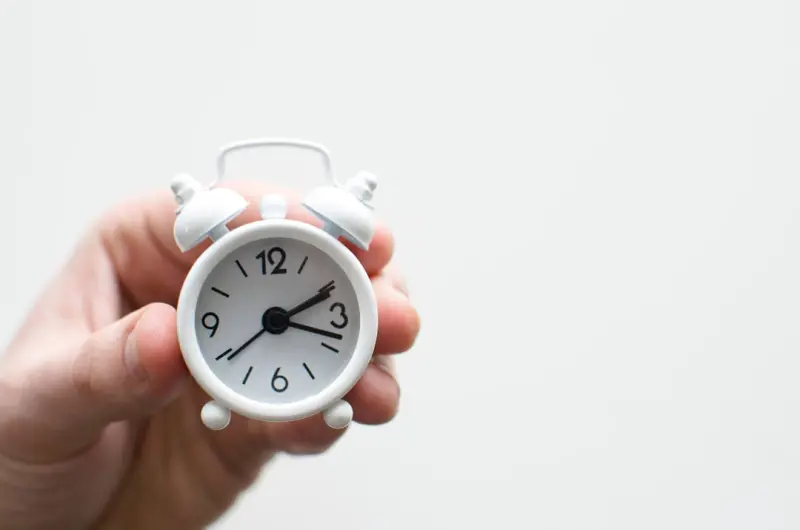
Ever feel like you’re sprinting through a marathon that’s set to a soundtrack you didn’t pick? Between back‑to‑back meetings, endless Slack threads, and the ever‑present hum of notifications, it’s easy to lose sync with the one rhythm you were built to follow: your body’s internal clock. I’ve spent the last few years watching coworkers—myself included—battle the “always‑on” work culture, and what keeps resurfacing is a simple, almost primal truth: when we respect our chronotype, we don’t just survive the day—we thrive.
What is a chronotype, and why does it matter?
A chronotype is your personal “time‑of‑day” preference, dictated by genetics, age, and lifestyle. Some of us are unmistakable early birds, buzzing with ideas before sunrise. Others are night‑owls, whose creativity spikes when the moon is high. The science is clear: aligning work tasks with these natural peaks can boost cognitive performance, emotional resilience, and even metabolic health.
Unfortunately, most modern workplaces operate on a one‑size‑fits‑all schedule—9 to 5, Monday‑through‑Friday. That model was designed for factories, not for the brain’s ebb and flow. The result? A hidden epidemic of chronic fatigue, decision‑making fatigue, and a subtle but steady erosion of mental health.
The hidden cost of chronotype mismatch
When you force your brain into a rhythm it resists, you’re essentially running a marathon on a treadmill set to the wrong speed. The immediate fallout includes:
- Reduced focus: Studies show that mismatched schedules can shave up to 20 % off your attention span.
- Elevated stress hormones: Cortisol spikes in the early morning for night‑owls who are forced to start work at 8 a.m., setting a tone of anxiety for the rest of the day.
- Weaker immune response: Sleep‑deprived cells are less efficient at fighting off viruses, making you more susceptible to colds and flu.
- Metabolic imbalance: Late‑night eating combined with early‑morning meetings can throw off insulin sensitivity, nudging you toward weight gain.
All of these factors converge into one glaring reality: chronotype mismatch is a silent productivity killer and a stealthy health hazard.
Mapping your personal rhythm
Before you can redesign your workday, you need a clear picture of where you sit on the chronotype spectrum. Here are three low‑effort methods that have worked wonders for my team:
- The “Morningness‑Eveningness” questionnaire: A quick 19‑question survey that scores you from “definite morning” to “definite evening.” Most HR platforms can embed this as a short form.
- Two‑week self‑tracking: Log the times you feel most alert, most creative, and most tired. Use a simple spreadsheet or a habit‑tracking app—no fancy wearables needed.
- Data‑driven introspection: Combine your self‑reports with productivity tools (like project‑management timestamps) to see when you actually close tickets or finish drafts. Personal data empowerment isn’t just for marketers; it’s a powerful health hack when you own your own metrics.
When you finish this exercise, you’ll likely discover patterns that look something like “I’m most focused between 10 a.m. and 2 p.m. and again from 8 p.m. to midnight.” That’s gold.
Designing a chronotype‑friendly work schedule
Now comes the fun part: translating those insights into a practical, organization‑wide schedule. Below are three strategies that have been proven to work in hybrid and fully remote settings.
1. Core‑Hours Flexibility
Instead of a rigid 9‑5, designate a core window—say, 11 a.m. to 3 p.m.—when everyone is expected to be reachable. Outside of that window, employees can choose when to start and end their day, as long as they meet their weekly hour quota.
Benefits:
- Facilitates real‑time collaboration during the most overlapping hours.
- Allows night‑owls to start later and early birds to finish earlier.
- Reduces the “meeting fatigue” that often piles up in the morning.
2. Task‑Based Scheduling
Not all work is created equal. High‑cognitive tasks (strategy, writing, coding) should land in a person’s peak window. Routine, lower‑energy tasks (email triage, data entry) can be slotted into off‑peak periods.
Implementation tip: Use project‑management tags like “Peak‑Focus” and “Low‑Energy” to automatically surface the right tasks at the right time. This aligns beautifully with the spinal health tech mindset—just as you’d adjust a chair to support your posture, you adjust your schedule to support your brain.
3. “Night‑Shift” Innovation Sprints
For teams that thrive after dark, consider a quarterly “overnight sprint.” Give a small group a 4‑hour window from 9 p.m. to 1 a.m. to tackle a high‑impact project, with the rest of the organization providing silent support (no Slack pings, no urgent emails).
Why it works:
- Creates a sense of exclusivity and excitement.
- Leverages the natural surge of creativity many night‑owls experience.
- Signals trust from leadership—employees feel valued for their unique rhythms.
Overcoming common obstacles
Adopting a chronotype‑aligned model isn’t without pushback. Here’s how to navigate the usual hurdles.
Culture of “always‑on”
Many managers equate visibility with productivity. Counter this by shifting performance metrics from “hours logged” to “outcomes delivered.” Celebrate milestones achieved during off‑peak hours to reinforce that quality outweighs quantity.
Team cohesion concerns
Some fear that flexibility will fragment collaboration. The core‑hours window solves this—there’s always a guaranteed overlap for spontaneous brainstorming. Additionally, asynchronous tools (recorded video updates, shared docs with comment threads) keep the conversation flowing without forcing everyone onto the same clock.
Technology constraints
If your stack isn’t built for asynchronous workflows, start small. Pilot the approach with a single department, gather data, and iterate. Remember, the goal isn’t to overhaul everything overnight; it’s to create a feedback loop that respects human biology.
The health payoff—beyond productivity
When you give your body the schedule it craves, the ripple effects are profound.
- Improved sleep quality: Aligning work with natural melatonin rhythms reduces late‑night screen exposure, leading to deeper, more restorative sleep.
- Balanced hormones: Consistent wake‑up times stabilize cortisol and ghrelin, which helps manage stress and appetite.
- Enhanced mental health: Autonomy over one’s schedule is a proven buffer against burnout and anxiety.
- Physical wellbeing: Employees who can schedule movement breaks during their personal peak times are more likely to engage in regular exercise.
In short, a chronotype‑friendly workplace isn’t a “nice‑to‑have” perk—it’s a strategic health intervention that pays dividends in engagement, retention, and bottom‑line growth.
Getting started: a 30‑day action plan
Ready to turn this insight into action? Here’s a quick roadmap you can roll out in a month.
- Week 1 – Diagnose: Distribute the morningness‑eveningness questionnaire and ask teams to log their energy highs and lows.
- Week 2 – Align: Draft a flexible core‑hours policy and share it with leadership for sign‑off.
- Week 3 – Pilot: Select two teams to test task‑based scheduling. Use a simple Kanban board with “Peak‑Focus” tags.
- Week 4 – Review & Refine: Collect feedback, measure output (tickets closed, code merged, sales calls), and adjust the policy before a broader rollout.
Remember, the aim isn’t perfection—it’s progress. By the end of the first month, you’ll have concrete data on how aligning work with biology influences both health and performance.
Looking ahead: the future of chronotype‑aware workplaces
We’re standing at the cusp of a paradigm shift. As wearable tech becomes more sophisticated (yes, I’m still keeping an eye on the next generation of biofeedback devices), we’ll have real‑time data on heart‑rate variability, sleep stages, and stress markers—all of which can inform dynamic scheduling algorithms.
Imagine a future where your calendar auto‑adjusts based on your nightly sleep score, or where project‑management tools suggest the optimal time to tackle a deep‑work task based on your latest cortisol reading. It’s not sci‑fi; it’s an extension of the same personalization trends that have transformed B2B SaaS. The same principles that power semantic topic clusters for content can power “chronotype clusters” for human performance.
Until that day arrives, the simplest, most powerful step you can take is to honor the rhythm you were born with. Your brain, your spine, and your overall health will thank you—often in ways you won’t even expect.

Related Posts

Micro‑Movements: The Hidden Health Boost You’re Overlooking
Unlock the power of micro‑movements—simple, frequent motions that boost metabolism, improve mood... Read More

Unlocking Mood and Immunity: How Fermented Foods Rewire Your Brain
Explore the powerful link between fermented foods, gut microbiome, and mental health, and learn simp... Read More
The Healing Power of a Digital Detox: Reclaiming Your Body and Mind
A digital detox isn’t just a trend; it’s a science‑backed strategy to reduce stress, improve s... Read More
Top Posts

Pricing Gets Smart: AI’s Real‑Time Playbook for SaaS Revenue
Discover why static pricing is a relic and how AI‑driven real‑time pricing can dynamically align price with usage, market conditions, and customer value—d...Read More

Riding the Google AI Wave: A Human‑First Marketer’s Perspective
Explore a human‑first guide to mastering Google’s AI wave, balancing algorithmic efficiency with authentic storytelling to boost SEO and brand connection....Read More
Why Audio‑First Is the Next Frontier in B2B SaaS Marketing
Audio is reshaping B2B SaaS marketing by delivering deep, personal connections through podcasts, voice assistants, and in‑app audio, turning listeners into qu...Read More
When AI Becomes Your Creative Partner at Work
Explore the rise of AI as a creative partner in the workplace—enhancing brainstorming, unifying knowledge, and driving ethical, fast‑paced innovation for mo...Read More
0 Comments
Post Comment
You will need to Login or Register to comment on this post!