
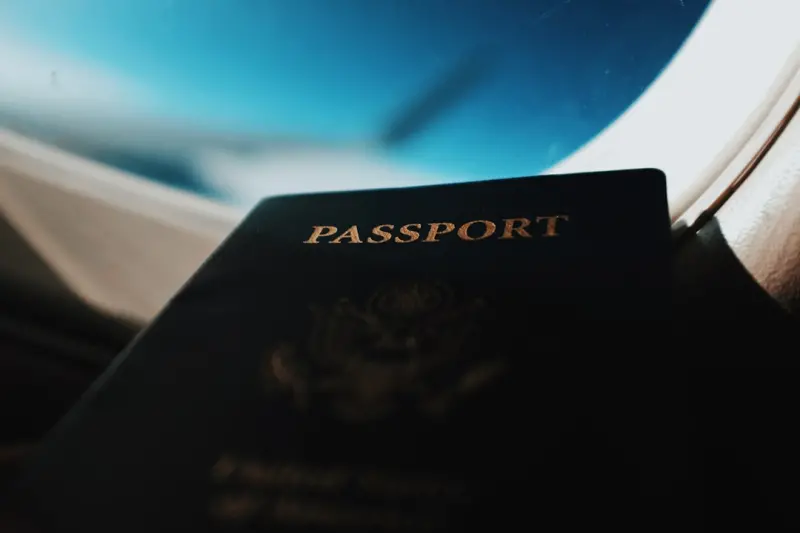
Why Your Senses Are the Best Business Allies on the Road
Every time I step onto a plane, I’m reminded that the world is a giant, ever‑shifting canvas of sounds, colors, aromas, and textures. For most professionals, travel is a logistical hurdle—another set of meetings, flights, and hotel bookings to juggle. For me, it’s an invitation to engage the senses deliberately, turning ordinary layovers into laboratories for creative insight. In this piece, I’ll share how cultivating a sensory passport can amplify your strategic thinking, spark fresh ideas, and keep burnout at bay.
The Soundtrack of Innovation
Sound is the most immediate sensory cue we encounter when we move from one city to another. The low hum of a high‑speed train, the distant call to prayer echoing across a Mediterranean square, or the rhythmic chatter of a co‑working space in Singapore—each of these auditory landscapes carries a subtle psychological imprint.
Research shows that ambient sound can influence brainwave patterns, nudging us toward either focused concentration or relaxed brainstorming. When I schedule a conference call from a bustling market, I purposefully turn on a high‑quality pair of noise‑cancelling headphones and layer in a low‑tempo instrumental track. The background market noise stays muted, but the rhythmic pulse of the music keeps my mind in a state of alpha flow—perfect for synthesizing complex data sets without feeling cramped by the conference room walls.
Take a moment next time you’re in a hotel lobby: pause, listen, and ask yourself what story the ambient sound is telling. Is it urging you to dive deep (the steady hum of an air‑conditioner) or to explore outward (the occasional street vendor’s shout)? Use that cue to decide whether you need a solitary deep‑work session or a spontaneous brainstorming walk.
Color as a Cognitive Cue
Visual stimuli have a direct line to the brain’s limbic system, the hub for emotion and memory. When I land in a city famous for its palette—think the pastel streets of Chefchaouen, Morocco, or the neon glow of Osaka’s Dotonbori—I make it a point to capture those hues, not just with my camera but with my notebook.
One practical technique is the “color‑code sprint.” After a long day of meetings, I spend ten minutes sketching a quick mind map using only the colors that dominate my current environment. The exercise forces my brain to make new connections, because the colors act as visual anchors that break habitual thought patterns.
Even in the most sterile business hotels, you can bring color into the mix. A small travel‑size watercolor set, a set of high‑luminance sticky notes, or even a pair of bright socks can serve as tactile reminders that your surroundings are not just a backdrop, but an active participant in your creative process.
Aroma: The Forgotten Memory Trigger
Smell is the sense most tightly linked to memory. A single whiff can transport you back to a childhood kitchen or a first business deal sealed over coffee. While many travelers overlook olfactory cues, I’ve found that intentionally engaging my nose can unlock hidden reservoirs of insight.
Before stepping into a new city, I research a signature scent—perhaps the sea breeze of a coastal town, the incense of a temple, or the roasted coffee of a local café. I then purchase a small, travel‑friendly vial of that fragrance (or simply inhale the source) and keep it on my desk. When brainstorming, I bring the scent into the room, allowing the brain to associate that aroma with fresh ideas.
Studies in neuromarketing suggest that scent can improve recall by up to 80 %. By pairing a particular aroma with a specific project or client, you create a “scent‑anchor” that makes it easier to retrieve the associated information later—an especially handy trick when you’re juggling multiple accounts across time zones.
Tactile Exploration: Turning Touch into Insight
Touch is often the most under‑utilized sense while traveling. The texture of a cobblestone alley, the smoothness of a polished marble floor, or even the weight of a local newspaper can provide subtle feedback about a place’s culture and rhythm.
My go‑to method is the “texture‑tour.” I allocate a 15‑minute window during any layover to walk a short distance and deliberately run my fingers along surfaces—handrails, door knobs, market stalls. I make quick notes about how each texture feels: Is it worn and weathered, suggesting a rich history? Is it sleek and modern, hinting at rapid development? These tactile observations often inspire metaphors that enrich my presentations and client pitches.
In the digital age, we’re accustomed to interacting with screens rather than physical objects. By re‑introducing touch into your travel routine, you reset that neural pathway, fostering a more holistic perspective that can lead to breakthrough ideas.
Combining the Senses: A Mini‑Framework for On‑the‑Go Creativity
Below is a simple, repeatable framework that merges sound, sight, smell, and touch into a single “sensory sprint” you can execute in any hotel room, airport lounge, or café.
- Sound Reset (2 min): Close your eyes, listen to the ambient sounds, and identify one that stands out. Choose a matching playlist to complement that mood.
- Color Capture (3 min): Grab a highlighter or a colored pen and jot down three ideas, each in a different hue that mirrors your surroundings.
- Aroma Anchor (1 min): Inhale a local scent (or a personal fragrance) and mentally link it to a specific challenge you’re tackling.
- Touch Trace (2 min): Run your fingers over an object, note its texture, and write a one‑sentence metaphor connecting that texture to a business concept.
In practice, this 8‑minute routine can be a powerful antidote to the mental fatigue that often accompanies back‑to‑back meetings and constant connectivity. It also serves as a personal ritual that signals to your brain, “We’re shifting gears, let’s invite new ideas.”
Traveling Light, Thinking Deep: The Digital Detox Connection
All of the sensory practices above share a common thread: they ask you to step away from screens and embrace a digital detox on the road. In my experience, the most profound insights surface when the phone’s notification buzz is replaced by the rustle of a newspaper or the distant hum of an engine.
Here are three actionable steps to ensure your travel doesn’t become a marathon of endless scrolling:
- Schedule “screen‑free” blocks. Mark them on your calendar just like any client call. During these periods, engage in the sensory sprint described above.
- Curate a travel‑specific reading list. Opt for physical books or downloadable PDFs that you can read offline, allowing the device to remain tucked away.
- Use “do not disturb” modes strategically. Activate them during meals, walks, and sensory exercises to protect those windows of heightened awareness.
When you consistently create these intentional gaps, you’ll notice a measurable uptick in mental clarity—a critical advantage for anyone who must juggle strategic decisions while constantly moving.
From Sensory Insights to Business Impact
Let’s bring this back to the boardroom. Imagine you’ve just returned from a week in Lisbon, where the city’s tiled facades and melancholic Fado music left a lingering emotional imprint. You can translate those sensory memories into a client proposal by:
- Using the rhythmic cadence of Fado as a metaphor for the client’s market cycle, emphasizing the need for graceful transitions.
- Incorporating the blue‑and‑white tile pattern as a visual motif in your slide deck, subtly reinforcing themes of continuity and elegance.
- Referencing the briny sea air to illustrate the freshness of a new product launch, positioning it as a “breath of fresh air” in a crowded market.
This approach does more than add aesthetic flair; it creates an emotional resonance that helps stakeholders remember your pitch long after the meeting ends. By anchoring strategic concepts to sensory experiences, you bypass the typical information overload and speak directly to the brain’s memory centers.
Learning from Others: When Unplanned Detours Become Creative Catalysts
Even though my focus is on intentional sensory practice, there’s value in the unexpected. A recent post on our blog highlighted how embracing the unknown can unlock creativity. If you’re curious about turning those serendipitous moments into a strategic advantage, check out turning unexpected detours into creative breakthroughs. The techniques there complement the sensory framework I’ve outlined, giving you a full toolkit for turning any travel experience—planned or not—into a source of business value.
Final Thoughts: Make Your Journey a Canvas, Not a Checklist
Travel doesn’t have to be a series of logistical boxes to tick off. By deliberately engaging sight, sound, smell, and touch, you transform each journey into a living laboratory for strategic thinking. The sensory passport is not a gimmick; it’s a practical, neuroscience‑backed method to stay creative, focused, and energized while navigating the demands of a global business landscape.
So the next time you book a flight, ask yourself: “What will I hear, see, smell, and feel that can fuel my next big idea?” The answer might just be the difference between a routine trip and a transformative experience.

Margaret Thomson is a seasoned freelance writer specializing in the dynamic worlds of marketing and advertising. With a career deeply rooted in the marketing field, Margaret brings a wealth of practical experience and insightful knowledge to her writing.
Related Posts

Travel as a Mobile Innovation Lab: Turning Detours into Business Insights
Learn to treat travel as a mobile laboratory: design mini‑experiments, capture data on the go, and... Read More

Sensory Safari: How Travel Fuels Creative Breakthroughs
A sensory safari transforms travel into a full‑body reboot, engaging smell, sound, taste, touch, a... Read More

Regenerative Travel: Turning Vacations into Vibrant Ecosystems
Explore the emerging trend of regenerative travel, where tourists actively restore ecosystems, suppo... Read More
Top Posts
Transform Your SaaS Help Center into an SEO Powerhouse
A deep dive into turning your SaaS knowledge base into an SEO magnet, covering audit, keyword research, on‑page optimization, schema, user‑generated content...Read More
Co‑Creating Value: How B2B SaaS Brands Can Grow With Their Customers
Co‑creation invites customers into the product roadmap, delivering authentic insights, built‑in advocacy, and higher retention while generating a steady flo...Read More

Conversational Funnels: Turning One‑Off Interactions into Sustainable Revenue Streams
Learn to design, implement, and scale conversational funnels that turn real‑time chats into lasting revenue, leveraging AI, data, and community insights for a...Read More
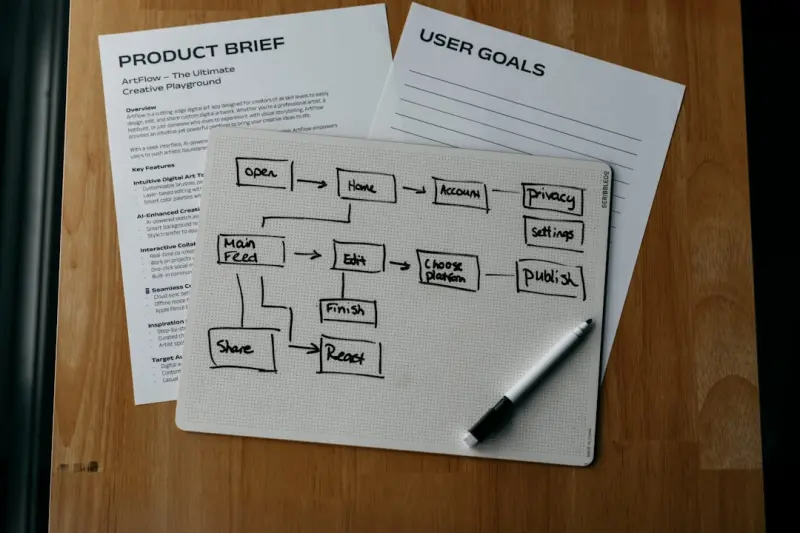
AI as a Co‑Pilot for SaaS Product Strategy
An AI co‑pilot isn’t a replacement for product leaders—it’s a trusted teammate that surfaces hidden insights, quantifies feature impact, and accelerates...Read More
0 Comments
Post Comment
You will need to Login or Register to comment on this post!