
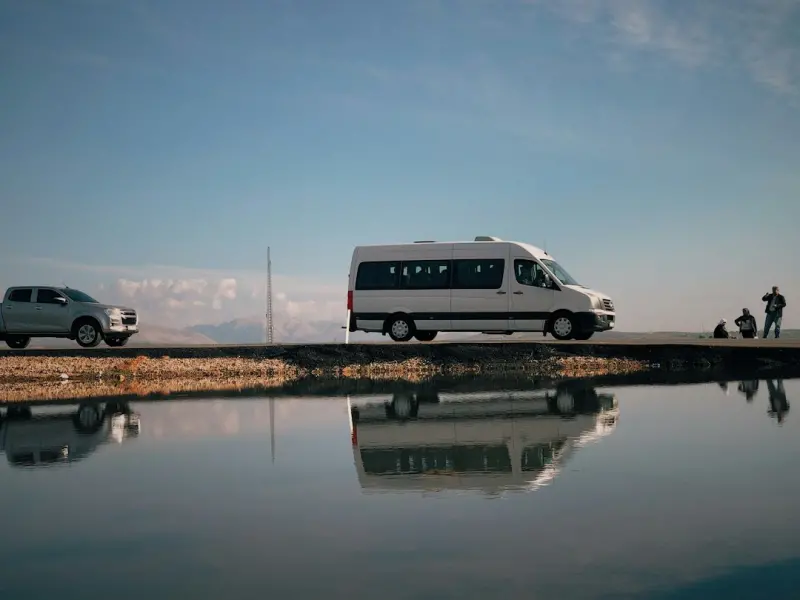
Travel has always been a source of inspiration, but for me it’s become something far more systematic—a mobile laboratory where curiosity meets execution. I’ve spent years hopping between airports, train stations, and street markets, and I’ve learned to treat every unplanned detour, every coffee‑shop conversation, and every missed connection as a data point that can be turned into a strategic advantage for my work and my team.
The Idea of a Travel Innovation Lab
Most people think of travel as a break from the grind, a chance to unwind and collect souvenirs. I flip that script. I ask myself, what experiment can I run while I’m on the move? The answer is simple: frame every journey as a hypothesis test. If a new route could improve productivity, if a local market could reveal a hidden consumer need, if a language barrier could sharpen my communication skills—those are all experiments waiting to be documented.
This mindset turns ordinary trips into purposeful quests. It’s not about packing a whiteboard in your carry‑on; it’s about using the constraints of travel—time zones, language, limited resources—to surface insights you’d never get in a comfortable office.
Designing a Travel Experiment
Before you board that flight, spend five minutes sketching a mini‑research plan. Here’s a quick template that works for any trip:
- Objective: What specific question am I trying to answer? (e.g., “Do co‑working spaces in emerging markets foster more spontaneous collaboration than traditional office settings?”)
- Metric: How will I know I’ve succeeded? (e.g., number of new contacts made, number of ideas generated, a measurable shift in my energy levels)
- Method: What low‑friction method will I use? (e.g., short interviews, journaling, a quick sketch of a workflow)
- Timeline: What’s the realistic window for this experiment? (most travel experiments fit into a 24‑ to 72‑hour window)
Keeping the plan lean ensures you can pivot if a train is delayed or a local festival blocks your intended route. The goal isn’t to become a full‑blown researcher; it’s to embed a habit of curiosity into the fabric of travel.
Embracing the Unexpected: The Power of Detours
Detours are the gold standard for discovery. When a flight is cancelled, you might end up in a city you never intended to visit. Instead of lamenting the inconvenience, ask yourself: what can I learn here that I couldn’t have planned? In my experience, the most valuable insights come from these forced moments of adaptation.
Take a recent trip to a coastal town where a sudden storm grounded all flights. While waiting for the weather to clear, I wandered through a local fish market and struck up a conversation with a vendor about supply chain logistics. That off‑the‑record chat sparked a new idea for a real‑time inventory dashboard that later became a feature in our product suite.
Notice the pattern: the disruption forced me out of my comfort zone, and the new environment supplied fresh data. If you cultivate the habit of treating each surprise as a data‑gathering opportunity, you’ll find that the “noise” of travel becomes a signal of innovation.
Collecting Data on the Road
Data collection while traveling doesn’t require fancy tools—just a smartphone and a habit of consistency. Here are three low‑effort methods I swear by:
- Audio Journals: Record a 2‑minute voice note after each meaningful interaction. It captures tone and nuance that text often loses.
- Visual Snapshots: Take a photo of anything that catches your eye—signage, architecture, a product layout. Later, annotate the image with observations.
- Micro‑Surveys: Use a quick Google Form or Typeform to log simple metrics (e.g., “How energized did I feel after this commute?” on a scale of 1‑5).
When you return home, these fragments can be synthesized into a richer narrative. Think of it as building a sensory journal that you can later mine for patterns. Over time, you’ll notice recurring themes—perhaps certain types of environments boost creativity, or specific cultural rituals improve focus.
Translating Insights into Business Action
The true value of a travel lab lies in its ability to feed back into your professional life. Here’s a three‑step process I follow once I’m back at my desk:
- Cluster Findings: Group similar observations together. For instance, you might have several notes about “informal brainstorming over coffee” across different cities.
- Validate Hypotheses: Choose the most promising clusters and test them in a controlled environment at work. If a coffee‑shop setting sparked collaboration, replicate that vibe with a “café‑corner” in your office.
- Iterate & Share: Document the outcomes and share the story with your team. This not only spreads knowledge but also encourages others to adopt a travel‑first mindset.
When you close the loop, travel stops being a “nice‑to‑have” perk and becomes a strategic lever for innovation.
Real‑World Examples from My Journeys
Below are a few case studies that illustrate the travel‑as‑lab concept in action:
- Pop‑Up Co‑Working in a Hostel: While staying at a bustling hostel in Southeast Asia, I organized a one‑hour “skill‑swap” session where travelers taught each other quick digital tools. The session revealed a high demand for bite‑size learning modules, which led us to launch a micro‑learning feature in our platform.
- Transit Time as Idea Incubator: I once turned a 90‑minute train ride into a brainstorming sprint, using a simple layover mini‑adventure framework: set a timer, jot down three ideas, and sketch a quick prototype on a napkin. Two of those ideas progressed to MVP stage within months.
- Local Market Observation for Product Design: In a bustling bazaar, I observed how vendors displayed products at eye level to maximize sales. Translating that insight, we redesigned our UI to prioritize high‑value features at the top of the dashboard, boosting feature adoption by 12%.
Tools & Tactics for the Traveling Innovator
Here are a few practical tools that keep the travel‑lab running smoothly:
- Notion Mobile: Use it as a unified workspace for notes, audio recordings, and task tracking.
- Ambient Sound Apps: Capture ambient noise (like a café hum) to later trigger memory recall when reviewing insights.
- Travel‑Specific Templates: I’ve built a weekly wanderings template that prompts you to log objectives, observations, and next steps each trip.
Pair these tools with a disciplined habit of daily reflection—spend ten minutes each evening reviewing your collected data and marking any emerging patterns. Over weeks, you’ll accumulate a personal knowledge base that rivals any formal research department.
The Bigger Picture: Travel as a Competitive Edge
In an era where remote work is the norm, the ability to extract strategic insight from the world outside the office can set you apart. While competitors may rely solely on internal data, you’re pulling from a global, real‑time lab that continuously refreshes your perspective.
This doesn’t just benefit product teams; sales, marketing, and customer success can all draw from fresh cultural insights. Imagine tailoring a campaign based on a seasonal festival you witnessed abroad, or refining a support script after learning how a local service desk handles customer frustration.
Ultimately, the travel innovation lab is about cultivating a mindset: see every journey, however brief, as an opportunity to ask better questions, gather richer data, and drive smarter decisions.
Getting Started Today
If you’ve never approached travel this way, start small. Pick your next business trip and write a single objective on a sticky note. When you return, spend an hour turning that sticky note into a three‑step action plan. You’ll be surprised at how quickly the habit builds momentum.
Remember, the world is the ultimate testbed. All you need is curiosity, a dash of discipline, and the willingness to turn a missed connection into a breakthrough.

Shawn DesRochers is a certified Microsoft technician and Programmer with 30+ year's experience. He has written many reviews on computer related products, software, and SEO related topics. When he's not writing reviews he can be found at one of the Oldest Directories Online Business Directory USA which he is the CEO of.
Related Posts

When SaaS Meets Wanderlust: Crafting Hyper‑Personalized Journeys
Explore how modern SaaS tools transform static itineraries into dynamic, data‑driven journeys, off... Read More
Remote Team Retreats: Turning Business Travel Into a Productivity Power‑Up
Discover a step‑by‑step playbook for creating remote‑first team retreats that align travel wit... Read More

Reimagining Airport Time: Work‑Friendly Travel Hacks
Discover how to transform airport layovers into focused work sessions using micro‑zoning, portable... Read More
Top Posts
Field Notebook Travel: Turning Trips into Live Research
Learn to transform any trip into a live research project using a simple field notebook, observation templates, and reflective practices that turn everyday trave...Read More
Riding Google’s AI Wave: Insights From a Marketer’s Frontline
Explore the impact of Google’s AI evolution on marketing, from content creation to local search, with practical tips to turn new features into growth opportun...Read More
Beyond Clicks: Crafting Conversational Commerce Strategies That Convert
Explore fresh tactics like voice search ads, gamified email, and adaptive storytelling to transform your digital marketing strategy into a conversational commer...Read More

AI‑Enhanced Knowledge Management: Turning Static Docs into Living Learning Engines
Discover how AI can convert your static knowledge base into a living learning engine, delivering real‑time support, personalized onboarding, and predictive in...Read More
0 Comments
Post Comment
You will need to Login or Register to comment on this post!