
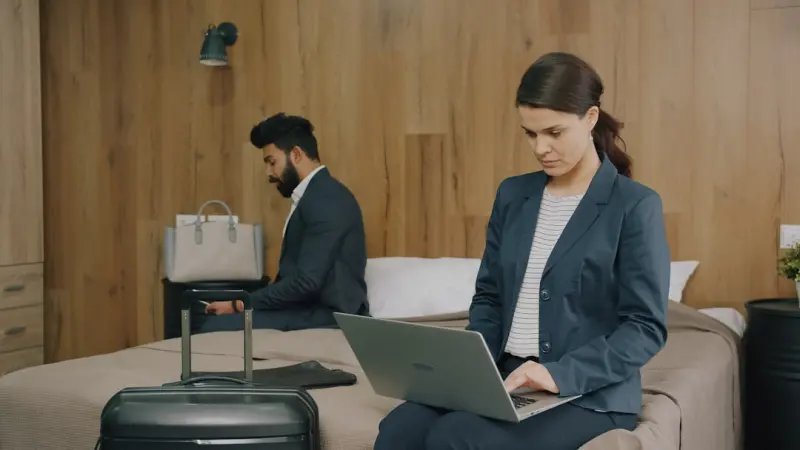
When the boardroom door swings shut and the runway lights flicker on, the real work begins. For a senior executive, travel isn’t a break—it’s an extension of the office, a mobile command center where decisions still have to be made, teams still have to be led, and personal well‑being can’t be an afterthought. I’ve spent the last decade hopping between continents, negotiating deals in hotel conference rooms, and trying to keep my blood sugar stable while jet‑lagged. In this piece I’ll unpack the habits, tools, and mindsets that let high‑performers turn every trip into a strategic advantage rather than a drain on energy.
Redefining the “Business Trip” as a Strategic Asset
Most companies still view travel through the lens of expense reports and mileage reimbursements. That mindset reduces a multi‑day, multi‑time‑zone experience to a line‑item cost. The smarter approach is to treat each journey as a portfolio of opportunities: networking, market intel, personal brand building, and—crucially—self‑optimization.
When you schedule a trip, start with a purpose matrix. List the primary business goals (e.g., closing a partnership, attending a conference) alongside personal performance goals (e.g., maintaining a 7‑hour sleep window, fitting in a morning workout). Aligning these two matrices forces you to allocate time and resources intentionally, rather than letting the itinerary dictate your energy levels.
Pre‑Flight Preparation: The “Digital Suitcase”
The era of stuffing a physical notebook with scribbles is over. Your pre‑flight routine should include a digital suite that syncs across devices and continents. Here’s my go‑to checklist:
- Unified Calendar Sync. Merge work, personal, and health appointments into a single calendar view. Color‑code by category, and set buffer slots for travel‑induced fatigue.
- Secure Cloud Workspace. Use an encrypted, zero‑knowledge file share that auto‑syncs so you can pick up a presentation on a hotel laptop without compromising compliance.
- Local Connectivity Map. Before you land, identify co‑working spaces, gyms, and healthy eateries near your hotel. A quick Google search rarely reveals the hidden gems that locals know.
- Smart Packing List. Include a portable charger, noise‑cancelling headphones, a reusable water bottle with a built‑in UV purifier, and a set of compression socks—those are lifesavers for long‑haul flights.
By treating these items as a “digital suitcase,” you reduce the cognitive load once you’re on the road. The less you have to think about logistics, the more mental bandwidth you retain for strategic thinking.
In‑Flight Efficiency: Turning Cabin Time into Brain Time
Airplane cabins are often dismissed as productivity black holes, but they can be repurposed for high‑value tasks. Here’s how I maximize that confined space:
- Audio‑First Learning. Load industry podcasts, language lessons, or audiobook summaries onto your device. Listening while the seat belt sign is on keeps you engaged without the need for a laptop.
- Micro‑Planning Sessions. Use a notebook or a note‑taking app to outline meeting agendas, brainstorm talking points, and draft follow‑up emails. Even a 10‑minute jotting session can sharpen the focus for the next day’s meeting.
- Physiological Reset. Set a timer every 30 minutes to stand, stretch, and do a quick breathing exercise. This combats the stiffness and circulatory slowdown that often leads to post‑flight fatigue.
Combine these habits with a reliable pair of noise‑cancelling headphones and you’ll transform a 12‑hour flight from a draining ordeal into a mobile think‑tank.
Landing Smart: Managing Jet Lag and Energy Flow
Jet lag is the silent productivity killer for global executives. The science is simple: your circadian rhythm gets out of sync with the new time zone, leading to reduced alertness and impaired decision‑making. Below are three evidence‑based tactics that have worked for me:
- Light Exposure Control. Use a light therapy lamp in the hotel room during the new “morning” hours, and wear amber‑tinted glasses in the evening to signal melatonin production.
- Strategic Caffeine. Limit caffeine to the first six hours after waking. A single espresso in the morning can boost alertness without crashing later.
- Hydration & Nutrition. Dehydration amplifies jet‑lag symptoms. Keep a reusable water bottle on hand and consider nutrition hacks on the road such as protein‑rich snacks and electrolytes to sustain energy.
These steps can shave off a full day of adjustment, allowing you to hit the ground running—literally.
Health‑First Travel Tech: The Gadgets That Keep You On‑Track
Technology is no longer a luxury; it’s a necessity for maintaining health metrics while traveling. I’ve experimented with everything from smart watches to biofeedback earbuds. The most transformative tool I’ve found is a compact wearable that monitors heart‑rate variability (HRV) and provides real‑time stress alerts. When paired with a mobile app, it can suggest breathing exercises or a brief walk to bring your nervous system back into balance.
If you’re skeptical, check out the research behind smart health gadgets for travelers. The data shows a measurable reduction in cortisol spikes for users who act on the device’s prompts during high‑stress meetings or long layovers.
Strategic Networking on the Move
Travel is the ultimate networking catalyst—face‑to‑face interaction beats virtual calls every time. To make the most of it:
- Pre‑Schedule Coffee Chats. Reach out to local contacts or industry peers a week before arriving. A 20‑minute coffee can be far more effective than a half‑hour Zoom call.
- Leverage “Micro‑Events.” Many hotels host informal gatherings—wine‑and‑cheese evenings, rooftop yoga, or art tours. Attend these low‑pressure events to build rapport without the rigidity of a conference session.
- Capture Insights. After each interaction, jot down three key takeaways and one action item in your digital notebook. Follow up within 24 hours with a personalized email referencing the conversation. This reinforces the connection and demonstrates professionalism.
Balancing Work and Exploration: The “Micro‑Adventure” Model
Even the busiest executive can weave in micro‑adventures that rejuvenate the mind and spark creativity. The idea is simple: allocate a few hours each day to explore a cultural or natural highlight near your base. This could be a guided street‑food tour, a sunrise hike, or a quick visit to a local museum. The benefits are twofold:
- Cognitive Refresh. Novel experiences stimulate the brain’s default mode network, which is linked to creative problem‑solving.
- Personal Brand Boost. Sharing authentic travel moments on professional platforms humanizes you, making future negotiations smoother.
When you frame leisure as a strategic component of performance, it stops feeling like a guilty pleasure and becomes an integral part of your leadership toolkit.
Data‑Driven Post‑Trip Review
Just as you’d debrief after a product launch, conduct a post‑trip review. Use a simple template:
- Objectives Met. Which business goals were achieved? Quantify outcomes where possible (e.g., “secured $2M contract”).
- Health Metrics. Review HRV scores, sleep data, and step counts to gauge physical resilience.
- Learning Highlights. Document market insights, cultural nuances, or new partnership ideas.
- Action Items. Assign follow‑up tasks to team members with clear deadlines.
This systematic reflection not only solidifies business gains but also reveals patterns in how travel impacts your personal performance. Over time, you’ll be able to predict which routes, hotels, or itineraries align best with your productivity profile.
Future‑Proofing Travel: Sustainable Choices for the Modern Executive
Environmental stewardship is no longer a peripheral concern; it’s a core component of brand reputation. Executives can lead by example by adopting sustainable travel practices:
- Carbon‑Offset Programs. Partner with airlines that offer transparent offset options, or calculate your trip’s footprint using online tools and invest in verified projects.
- Eco‑Friendly Accommodations. Choose hotels with green certifications, which often provide healthier indoor air quality and reduced chemical exposure.
- Local Sourcing. Dine at farm‑to‑table restaurants that support regional producers—this not only reduces food miles but also enriches cultural immersion.
Beyond the ethical dimension, sustainable travel often aligns with better personal health outcomes, such as cleaner air and more nutritious meals.
Conclusion: Turning Every Trip into a Competitive Edge
Travel for the modern executive is a high‑stakes balancing act between business imperatives and personal performance. By treating each journey as a strategic portfolio, arming yourself with a digital suitcase, leveraging in‑flight time, managing jet lag scientifically, and integrating health‑focused tech, you can transform travel from a necessary inconvenience into a competitive advantage. Add purposeful networking, micro‑adventures, rigorous post‑trip reviews, and a commitment to sustainability, and you’ll not only close deals faster but also return home feeling stronger, sharper, and more inspired than when you left.
Ready to upgrade your travel playbook? Start with one habit from this guide on your next trip and watch the ripple effects across your boardroom performance and personal well‑being.

Sanji Patel has dedicated 25 years to the SEO industry. As an expert SEO consultant for news publishers, he emphasizes providing both technical and editorial SEO services to news publishers worldwide. He frequently speaks at conferences and events globally and offers annual guest lectures at local universities.
Related Posts
Taste the World: A Food‑First Journey Across Continents
Discover how treating food as a compass leads to deeper, sustainable travel experiences, from market... Read More

Chasing Hidden Rituals: A Journey Beyond the Tourist Trail
Explore the art of “ritual roadtripping” and learn practical steps to find and join hidden local... Read More
Sensing the World: How Travel Becomes a Personal Time Machine
Discover the art of using sound, scent, touch, and sight to turn each journey into a personal time m... Read More
Top Posts

Surfing Google’s 2024 AI Tsunami: Rose DesRochers’ Insider Playbook for Marketers
Rose DesRochers shares a hands‑on playbook to navigate Google’s 2024 AI wave, offering practical tactics, data‑driven insights, and storytelling tips to f...Read More

Solo Trekking: How One‑Person Adventures Sharpen Executive Decision‑Making
Explore how solo trekking develops unstructured thinking, resilience, deep listening, and empathy—key traits that translate into sharper decision‑making and...Read More

Prompt Engineering: The Low‑Cost, High‑Impact Lever SaaS Teams Need
Prompt engineering turns generic AI models into tailored business assets. This post outlines a practical framework for SaaS teams to adopt prompt discipline, bo...Read More
Seasonal Home Maintenance: A Practical Calendar for Energy Savings and Wellness
Learn how a seasonal checklist can keep your home running smoothly, save energy, and create a healthier living space with natural cleaning tips and smart upkeep...Read More
0 Comments
Post Comment
You will need to Login or Register to comment on this post!