
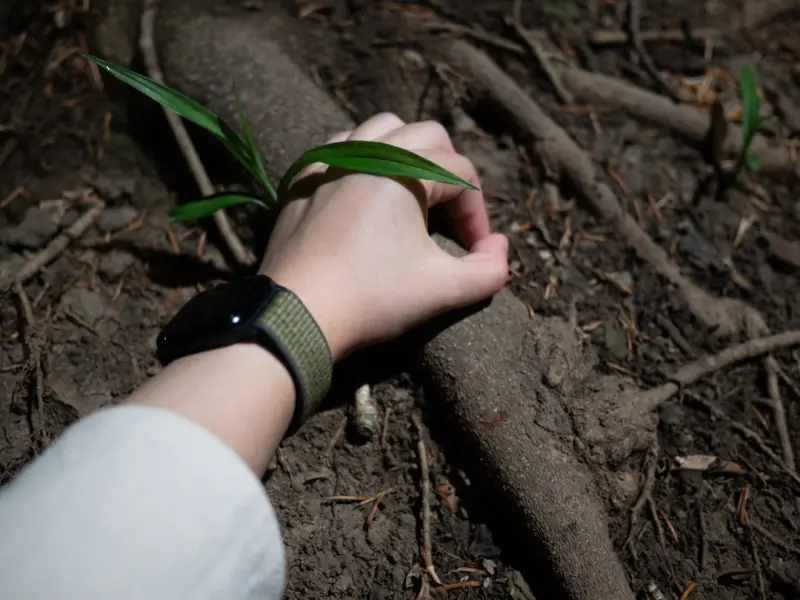
When I first strapped a sleek wristband onto my arm during a marathon of back‑to‑back Zoom calls, I expected it to count steps. What I got instead was a constant, gentle reminder that my heart was racing, my breathing shallow, and my stress levels spiking—right there in the middle of a product demo. That moment sparked a deep dive into the world of wearable biofeedback, and I quickly realized we’re standing at the cusp of a health revolution that goes far beyond fitness tracking.
Beyond Steps: What Biofeedback Really Means
Biofeedback is the science of turning invisible physiological signals—heart rate variability (HRV), skin conductance, respiratory patterns—into real‑time data you can see, hear, or feel. Modern wearables have miniaturized the sensors needed to capture these metrics and paired them with AI‑driven analytics that translate raw numbers into actionable insights.
In the past, biofeedback required bulky equipment in a clinic. Today, a tiny device on your wrist or ear can alert you the moment your cortisol‑induced fight‑or‑flight response kicks in. This immediacy is a game‑changer for professionals who spend hours navigating high‑stakes meetings, tight deadlines, and the ever‑present lure of constant connectivity.
The Stress Epidemic in Knowledge Work
Remote work, hybrid schedules, and the blurring line between personal and professional time have amplified chronic stress. According to several industry reports, more than 70% of knowledge workers feel “always on,” and a sizable chunk admits to experiencing burnout symptoms at least once a month. Traditional interventions—annual wellness days, occasional meditation apps—often feel like band‑aid solutions.
What we need is a continuous, personalized feedback loop that nudges us toward healthier habits before stress spirals. That’s where wearables step in, offering not just data, but context‑aware guidance.
How Wearables Detect Stress in Real Time
Most contemporary stress‑focused wearables rely on a combination of three core sensors:
- Heart Rate Variability (HRV): The interval between heartbeats changes with stress; lower HRV typically signals higher stress.
- Galvanic Skin Response (GSR): Also known as skin conductance, it measures sweat gland activity, which spikes during emotional arousal.
- Respiratory Rate: Shallow, rapid breathing is a hallmark of acute stress.
Machine‑learning models ingest these streams, compare them against baseline patterns for each individual, and output a stress score. When the score crosses a threshold, the device can vibrate, flash a light, or send a subtle notification suggesting a micro‑break.
From Notification to Action: The Biofeedback Loop
Notification alone isn’t enough. The power of wearable biofeedback lies in prompting immediate, evidence‑based actions:
- Micro‑Breathing Exercises: A 30‑second guided breath that recalibrates the autonomic nervous system.
- Posture Adjustments: Real‑time reminders to sit upright, reducing muscular tension that can compound stress.
- Movement Nudges: Short stretches or a walk to break sedentary cycles that exacerbate cortisol buildup.
Over weeks, the device builds a personalized stress‑recovery profile, allowing it to predict future stress spikes and suggest pre‑emptive measures—like scheduling a coffee break before a high‑stakes call.
The Role of AI in Personalizing Stress Management
Artificial intelligence is the secret sauce that transforms raw sensor data into a meaningful narrative. By continuously learning from your reactions—whether you obey a breathing prompt or ignore it—AI refines the timing, modality, and intensity of future nudges. This adaptive behavior mirrors how a seasoned wellness coach would operate, but it scales across an entire organization.
For those skeptical about data privacy, it’s worth noting that many leading platforms now offer zero‑party data frameworks, where users voluntarily share health metrics in exchange for highly personalized wellness recommendations. This approach respects user agency while unlocking powerful insights.
Integrating Wearables into Corporate Wellness Programs
Forward‑thinking companies are already piloting wearable‑centric wellness strategies. Here’s a practical roadmap for scaling this initiative:
- Start with a Voluntary Pilot: Offer a small cohort of employees a choice of wearables that integrate with existing HR platforms.
- Define Clear Metrics: Beyond step counts, track average HRV, stress episode frequency, and recovery time.
- Leverage Existing Data Pipelines: Connect wearable APIs to your internal analytics stack to visualize trends at the team and organization level.
- Gamify Healthy Behaviors: Use leaderboards or collective goals (e.g., “Increase average HRV by 5% this month”) to foster a supportive culture.
- Provide Resources: Pair device prompts with on‑demand content—short guided meditations, ergonomic tips, or quick stretch videos.
When implemented thoughtfully, these programs can reduce absenteeism, boost employee engagement, and even improve bottom‑line performance.
Case Study: A SaaS Company’s Stress‑Reduction Initiative
One mid‑size SaaS firm recently equipped its sales team with a wearable that measured HRV and GSR. After a 12‑week trial, the team reported a 27% drop in self‑rated stress levels and a 15% increase in closed‑won deals. The key driver? Real‑time stress alerts that prompted brief, evidence‑based breathing sessions before high‑stakes calls. The success was so compelling that the program expanded to engineering and product, with similar gains in focus and reduced overtime.
This example underscores a broader truth: stress management is not a soft skill; it’s a measurable, improvable performance metric.
Wearables and the Bigger Health Ecosystem
While wearables excel at acute stress detection, they also feed into longer‑term health initiatives. Data collected over months can reveal patterns that correlate with sleep quality, nutrition, and physical activity—areas that have already seen a surge in interest thanks to AI‑powered nutrition solutions.
Imagine a unified dashboard where your wearable’s stress score, your sleep tracker’s REM cycles, and your nutrition app’s macro balance all converge to suggest a holistic daily plan. The future of corporate health could be an integrated “wellness OS” that orchestrates these data streams, delivering a single, actionable to‑do list each morning.
Addressing Common Concerns
Privacy: Employees worry about surveillance. Transparent policies, opt‑in models, and strict data segregation (e.g., separating health data from performance reviews) are essential.
Device Fatigue: Not everyone wants to wear a gadget 24/7. Offering a variety of form factors—rings, earbuds, or even smart clothing—helps accommodate personal preferences.
Data Overload: The sheer volume of biometric data can be overwhelming. Effective AI summarization and actionable alerts keep the experience user‑friendly.
Looking Ahead: The Next Wave of Biofeedback Innovation
Emerging technologies promise to deepen the biofeedback experience:
- Electrodermal Tattoos: Ultra‑thin, skin‑adhesive sensors that capture GSR without a bulkier wristband.
- Neurofeedback Headsets: Devices that monitor brainwave activity, offering insights into focus and mental fatigue.
- Ambient Biofeedback Environments: Office lighting and temperature that subtly adjust in response to collective stress levels detected by a network of wearables.
These innovations hint at a future where stress management is woven into the fabric of our daily environments, not just an after‑thought notification on a wrist.
Practical First Steps for Individuals
If your organization isn’t ready for a full rollout, you can still reap benefits:
- Choose a reputable wearable that tracks HRV and offers guided breathing.
- Set a baseline: wear the device for a week without responding to prompts, then review the data.
- Identify stress hotspots—specific times of day, meetings, or tasks that trigger spikes.
- Commit to micro‑breaks: when a stress alert fires, pause for a 30‑second breath or stretch.
- Reflect weekly: note any changes in mood, productivity, or physical symptoms.
Even modest adherence to this routine can improve HRV, lower cortisol, and sharpen mental clarity.
Conclusion: From Reactive to Proactive Health
Wearable biofeedback transforms stress from a hidden, reactive foe into a visible, manageable metric. By integrating real‑time data with AI‑driven personalization, individuals and organizations can move from merely coping with stress to actively cultivating resilience. The result is a healthier workforce, sharper focus, and—yes—a tangible boost to the bottom line. The question isn’t “if” wearables will reshape workplace health, but “when” you’ll join the movement.

Shawn DesRochers is a certified Microsoft technician and Programmer with 30+ year's experience. He has written many reviews on computer related products, software, and SEO related topics. When he's not writing reviews he can be found at one of the Oldest Directories Online Business Directory USA which he is the CEO of.
Related Posts

Unlocking the Hidden Power of Sleep Hygiene for Peak Health
A deep dive into sleep hygiene reveals practical steps—from bedroom setup to AI habit trackers—t... Read More

Micro‑Movements, Breath, and Light: The Hidden Trio Boosting Workplace Health
Learn practical micro‑movements, breath resets, and lighting tweaks that fit into any workday, enh... Read More

Sensory Cooking: A Mindful Path to Stress Relief and Wellbeing
Explore the transformative power of sensory cooking—using sight, smell, taste, touch, and sound—... Read More
Top Posts
Turning Wearable Data into Daily Wellness Wins
Discover how to convert wearable metrics into simple, actionable habits. This guide walks you through building a personal biofeedback loop that turns data into ...Read More

Unplanned Paths: How Spontaneous Travel Revitalizes the Explorer Within
Explore the art of spontaneous travel, from micro‑adventures and analog journaling to digital detoxes and eco‑conscious choices, and learn how unplanned mom...Read More

Microbiome Mastery: Simple Hacks for a Healthier Gut
Discover actionable strategies to nurture your gut microbiome through fermented foods, diverse plant fibers, mindful eating windows, and wearable data, turning ...Read More

When SaaS Becomes Ambient: Redefining the Way Enterprises Work
Ambient SaaS shifts software from a set of discrete tools to a seamless, context‑aware partner that anticipates needs, delivers proactive actions, and blends ...Read More
0 Comments
Post Comment
You will need to Login or Register to comment on this post!