
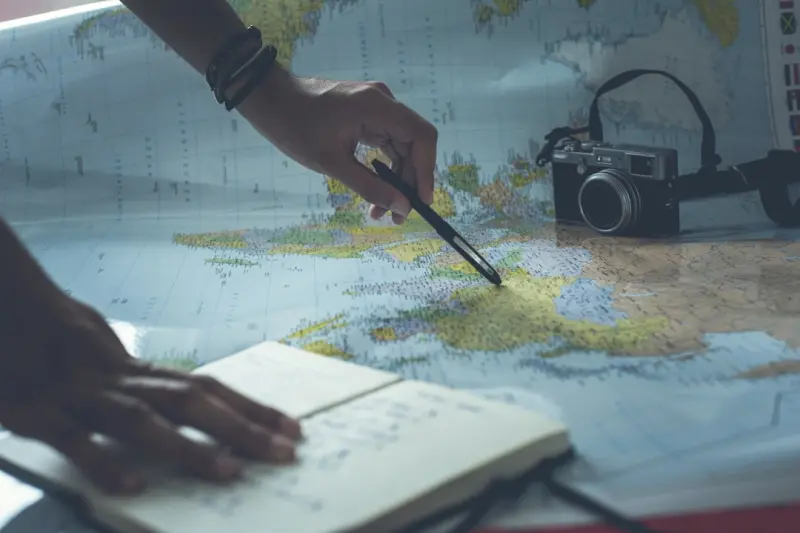
Travel as a Sensory Time Machine
When I step off a train into a bustling market, I feel the present colliding with echoes of my childhood kitchen, the hum of distant conversations stitching together a tapestry of moments I didn’t know I’d been carrying. Every cobblestone, every scent, every stray chord of a street musician becomes a portal, pulling the past into sharp focus while the future stretches ahead like an unwritten map. In this state, travel is no longer just a change of scenery; it is an active dialogue between who I was, who I am, and who I might become. The experience demands attention, inviting me to catalog the subtle differences between a familiar spice and a new one, the texture of a weather‑worn bench versus the sleek metal of a modern kiosk. It is this layered awareness that transforms a simple trip into an immersive laboratory for the senses, where each discovery is both a revelation and a reminder of the stories that have shaped me.
The Power of Soundscapes
One of the most under‑appreciated travel tools is the soundscape that surrounds you, a constantly shifting soundtrack that can transport you across decades with a single note. The distant call to prayer in a sun‑kissed courtyard, the clatter of ceramic plates in a seaside taverna, or the soft rustle of pine needles underfoot can each trigger a cascade of memory, unearthing feelings you thought were long buried. I often find myself pausing to let a local chant settle in my ears, allowing the rhythm to sync with my heartbeat and create a shared pulse with strangers around me. These auditory moments act as invisible bridges, linking my personal narrative to the collective pulse of a place. By deliberately seeking out these sounds—whether by lingering near a bustling café or sitting on a quiet pier—I cultivate a deeper, more resonant connection that goes far beyond the visual postcard.
The Aroma of Culinary Time Travel
Food is the most direct conduit for transporting ourselves through time, and the aromas that waft through a market stall can instantly summon the taste of a forgotten holiday or a grandmother’s secret recipe. In a narrow alley of a historic town, I once inhaled the smoky perfume of roasted chestnuts, and it unfurled a memory of winter evenings spent by a fireplace, the crackle of logs echoing in my mind. By paying close attention to the way spices mingle—cumin dancing with coriander, sea‑salt kissing fresh citrus—I begin to map my own emotional geography onto the culinary landscape of a new destination. This practice not only enriches my palate but also anchors my travels in a tangible, sensory record that I can revisit long after the journey ends. When I later revisit those flavors at home, the experience feels like a homecoming, a reminder that the world’s kitchens are extensions of our own personal heritage.
Touching the Texture of Place
While sight and sound often dominate travel narratives, the sense of touch offers an intimate, grounding perspective that can reveal the hidden character of a locale. Running my fingers along the weathered stones of an ancient bridge, I feel the grit of centuries of footfalls, each imprint a silent testament to countless lives that have crossed before me. The cool, smooth surface of a river stone in a mountain village, contrasted with the warm, textured weave of a hand‑woven rug in a bustling bazaar, provides a tactile dialogue between nature and human craftsmanship. By deliberately engaging with these textures—sitting on a wooden bench that has been polished by generations, or pressing my palm against the bark of a centuries‑old tree—I foster a kinesthetic memory that lingers long after the visual images fade. This embodied awareness deepens my connection to each place, turning fleeting visits into lasting impressions etched into both mind and skin.
Layered Visual Narratives
Every destination offers a visual collage, a layered narrative where architecture, light, and color converge to tell a story that is both ancient and ever‑changing. I find myself drawn to the interplay of shadows on a sun‑worn façade, where the passage of time is recorded in the patina of stone and the soft glow of lanterns at dusk. By observing the subtle variations—how a pastel wall reflects the golden hour differently than a stark white one—I discover a rhythm that mirrors my own inner cycles. Photographs, while useful, can never capture the depth of this layered experience; instead, I keep a sketchbook, quickly noting the tilt of a roof, the curve of a canal, or the way a crowd moves through a plaza. These visual fragments become a personal archive, allowing me to revisit the nuanced beauty of a place without the mediation of a screen, reinforcing the idea that travel is as much about seeing with intention as it is about moving through space.
Weaving Personal History with New Horizons
Travel becomes truly transformative when I consciously interlace my own history with the stories of the places I visit, turning each journey into a collaborative narrative. I recall a moment in a coastal town where the rhythm of the tide reminded me of the lullabies my mother sang, and I let that memory shape the way I listened to the local fishermen’s chants. By allowing my past to converse with the present, I create a dynamic interplay that enriches both the inner and outer landscapes. This practice also invites me to ask deeper questions: How does my upbringing influence the way I interpret a bustling street market? What parts of my identity are highlighted when I stand before a monument that once symbolized a different era? Engaging with these queries transforms the trip from a passive observation into an active, reflective dialogue, turning each step into a purposeful act of self‑discovery.
Building a “Memory Map” with Technology
In the digital age, I blend traditional sensory immersion with modern tools to construct a “memory map” that captures the essence of each journey. Using a simple spreadsheet, I log the dominant sounds, smells, textures, and visual motifs of each location, attaching short audio clips or photos that serve as sensory anchors. Traveling turns everyday skills into superpowers taught me to treat observation as a skill set, and this method allows me to refine it further. I also experiment with geotagged voice notes, recording a brief description of a moment while the scent of fresh pine fills the air, then attaching the note to a map pin. Over time, this curated collection becomes a living, breathing atlas of my sensory experiences, one that I can revisit and share, turning abstract memories into concrete, searchable entries that guide future adventures.
Micro‑Adventures for Sustainable Exploration
While grand itineraries have their allure, I’ve discovered that short, intentional micro‑adventures often deliver the richest sensory returns and a smaller environmental footprint. A two‑hour bike ride along a riverbank at sunrise, a walk through a hidden garden tucked behind an old monastery, or a spontaneous detour to a local farmer’s market can each provide a concentrated burst of discovery. By focusing on these bite‑size experiences, I reduce travel fatigue and minimize the carbon impact of long‑haul flights, while still engaging fully with the place’s unique character. I compile a list of such opportunities before each trip, prioritizing those that promise strong sensory cues—like the fragrant bloom of a night‑blooming jasmine or the tactile pleasure of a hand‑carved wooden bench. This approach not only aligns with sustainable travel principles but also reinforces the belief that depth, not distance, defines a memorable journey.
Conclusion: Living the Journey
Ultimately, travel is an invitation to become a more attuned version of ourselves, to let the world’s sensory tapestry rewrite the stories we tell about who we are. By deliberately listening to soundscapes, inhaling aromas, feeling textures, and observing layered visuals, I turn each destination into a living laboratory where past, present, and future converge. The tools I use—whether a sketchbook, a digital memory map, or a simple moment of mindful breathing—serve as bridges that connect the fleeting with the permanent. In embracing these practices, I discover that the most profound journeys are those that continue long after the plane lands, echoing in the mind’s ear, the heart’s rhythm, and the skin’s memory. Travel, then, becomes not a series of check‑list items, but a lifelong conversation with the world, one that I am eager to keep having.

Margaret Thomson is a seasoned freelance writer specializing in the dynamic worlds of marketing and advertising. With a career deeply rooted in the marketing field, Margaret brings a wealth of practical experience and insightful knowledge to her writing.
Related Posts
The Rise of Nomadic Hubs: Turning Vacation Spots into Year‑Round Work Sanctuaries
A deep dive into the emerging trend of nomadic hubs, where travelers transform holiday locales into ... Read More

Travel Light, Live Large: Mastering the Capsule Wardrobe for Global Adventures
A guide to building a versatile five‑piece capsule wardrobe, essential lightweight tech, and mindf... Read More

Why the Train Is the Ultimate Travel Companion for the Modern Wanderer
Explore how choosing train travel transforms the journey into a creative, productive, and eco‑frie... Read More
Top Posts
Harvesting Sunlight: Home Tips for Brighter, Healthier Living Spaces
Learn how to transform any room using sunlight, mirrors, and clever design choices that lift mood, cut bills, and create a welcoming atmosphere....Read More
Seasonal Home Maintenance Blueprint: Keep Your House Running Smoothly All Year
A detailed, seasonal maintenance guide helps busy homeowners stay ahead of repairs, save money, and maintain comfort. Learn step‑by‑step checklists, budgeti...Read More
How AI Can Rewire Your Daily Habits for Lasting Change
Explore AI‑powered habit loops that personalize cues, adapt in real time, and protect your data—transforming everyday routines into lasting, effective habit...Read More
Riding Google’s AI Wave: Keeping Your Brand Human and Authentic
Explore the balance between AI-driven SEO and genuine human storytelling, learning practical steps to keep your brand authentic while thriving in Google’s evo...Read More
0 Comments
Post Comment
You will need to Login or Register to comment on this post!