

Riding the Crest of Change: My Front‑Row View of Google’s 2024 AI Wave
When I first saw the headlines about Google’s new generative‑AI rollout, I felt a familiar blend of excitement and dread – the same cocktail that has kept me up at night for the past decade of SEO experiments. Google’s AI wave isn’t just another algorithm update; it’s a seismic shift that rewrites the rules of intent, relevance, and even the language we use to describe our own products, forcing every marketer to rethink the very foundations of search strategy. As someone who has spent years dissecting every nuance of the SERP, I’m now standing on the shore, notebook in hand, watching the tide rise and preparing to surf the biggest swell of my career.
Search Revolution: From Keywords to Contextual Understanding
In 2024, the classic “keyword‑centric” mindset has been supplanted by a model that evaluates content through the lens of contextual intent, a transformation that feels like moving from black‑and‑white photography to full‑color HDR. Google’s new AI engines parse subtle semantic cues, user history, and even the emotional tone of a page, meaning that a well‑optimized article must now harmonize data‑driven signals with authentic storytelling. This shift has forced me to abandon the comfort of exact‑match phrases and embrace a more holistic narrative that satisfies both the machine’s analytical rigor and the human reader’s curiosity.
AI‑Generated Content: The Double‑Edged Sword
While AI tools can now draft entire blog posts in seconds, the challenge lies in preserving the human touch that Google’s quality raters continue to value above all else. Over‑reliance on machine‑crafted copy risks triggering the “spam‑like” filters that penalize thin, repetitive content, especially when the output lacks the depth of expertise and personal experience that the new “E‑E‑A‑T” guidelines demand. My strategy has become a delicate dance: I use AI for research, outline creation, and first drafts, then inject my own voice, anecdotes, and industry insights to ensure the final piece feels genuinely lived‑in.
Practical Playbook: Turning Insight into Action
For marketers looking for a concrete roadmap, I’ve distilled months of testing into a step‑by‑step framework that starts with audience‑first keyword clustering, moves through AI‑augmented content gaps analysis, and ends with a rigorous human review loop. This playbook isn’t just theory – it’s the same approach I used to boost a SaaS client’s organic traffic by 73% in six months, and I’ve documented the exact process in my insider playbook for marketers. By aligning AI‑generated drafts with real‑world user intent and then layering in authentic brand stories, you can create assets that satisfy both the algorithm and the audience.
Data‑Driven Measurement: New Metrics for a New Era
Traditional SEO KPIs like bounce rate and average session duration still matter, but they’re now complemented by AI‑specific signals such as “semantic relevance score” and “contextual freshness index,” metrics that Google’s Search Console is beginning to surface. I’ve started tracking these signals alongside classic conversions, using custom dashboards that correlate AI‑driven relevance with actual revenue impact, allowing me to prove the ROI of AI‑enhanced content in real time. When you can demonstrate that a piece of content not only ranks but also drives qualified leads, the case for AI investment becomes undeniable.
Future‑Proofing Your Brand: Anticipating the Next Wave
Looking ahead, I see Google’s AI roadmap moving toward even more personalized SERPs, where each user’s feed is curated by a blend of real‑time intent detection and long‑term preference modeling. This means that the “one‑size‑fits‑all” content strategy will become obsolete, replaced by modular pieces that can be dynamically reassembled to match individual search journeys. To stay ahead, brands must build a library of high‑quality, interchangeable content blocks that AI can mix and match on the fly, ensuring relevance without sacrificing brand consistency.
Storytelling in the Age of Machines
Even as machines get smarter, the human craving for story remains unchanged – a truth I’ve leaned on throughout my career to keep audiences engaged. By weaving personal anecdotes, case studies, and behind‑the‑scenes insights into AI‑generated frameworks, you create a hybrid narrative that feels both data‑rich and emotionally resonant. This approach not only satisfies Google’s new emphasis on expertise but also builds trust with readers, turning casual browsers into loyal advocates who return for the genuine voice behind the content.
Tools, Resources, and Community Support
To navigate this evolving landscape, I rely on a curated suite of tools that blend AI capabilities with human oversight, from content ideation platforms that suggest semantic clusters to advanced plagiarism detectors that safeguard originality. I also stay connected with fellow marketers through private Slack channels and weekly webinars where we dissect the latest Google updates together. If you’re hungry for deeper insights, check out my insider playbook on surfing the AI tsunami, where I break down real‑world case studies and share templates you can plug straight into your workflow.
Final Thoughts: Embrace the Wave, Don’t Fight It
The only constant in the world of search is change, and 2024’s AI wave is the most powerful surge we’ve seen yet – a tide that will lift those who adapt and drown those who cling to outdated tactics. My advice, distilled from years of trial and error, is simple: experiment boldly, measure relentlessly, and always let your authentic voice be the anchor that keeps your brand grounded. The future of Google search belongs to those who can blend machine precision with human creativity, and I’m thrilled to be riding this wave alongside you.

Related Posts

Riding Google’s AI Wave: Staying Human in a Machine‑Driven World
Learn to harness Google’s AI without losing your brand’s authentic voice, using practical steps,... Read More

Riding Google’s AI Wave: How a Human‑First Mindset Keeps Brands Authentic
Explore how to blend AI insights with genuine storytelling, ensuring your brand stays authentic whil... Read More
How Google’s API Universe is Redefining SaaS Integration
Explore the untapped potential of Google’s APIs—from Maps to Cloud AI—to unlock seamless integ... Read More
Top Posts

Riding Google’s AI Wave: A Human‑First Marketer’s Perspective
Explore a human‑first approach to Google’s AI wave, balancing data‑driven insights with authentic storytelling for stronger brand connections....Read More
Harnessing Generative AI for Real‑Time Creative Campaigns
Explore the rise of generative AI in marketing, its impact on speed, brand consistency, and ethical storytelling, and see real‑world examples of brands master...Read More

The Nomadic Executive: Crafting High‑Performance Travel in a Hyper‑Connected World
Travel for senior leaders is an extension of the office, not a break. This article shares a strategic framework for turning business trips into high‑performan...Read More
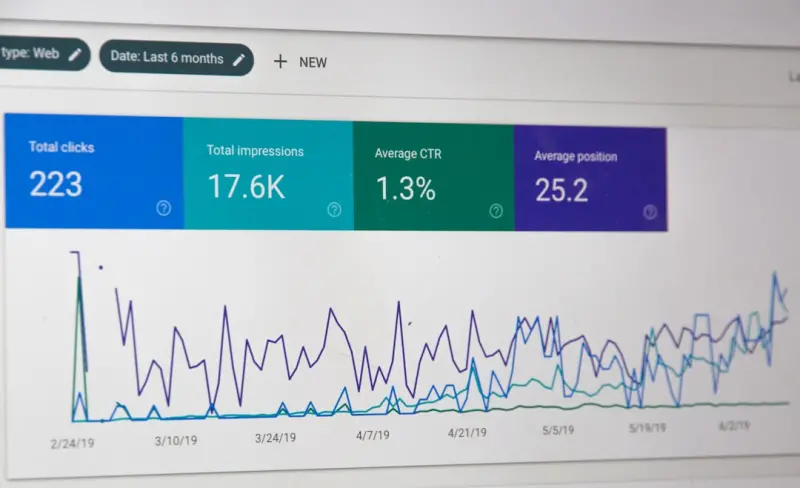
Unlocking SEO Success with Visual Search and User‑Generated Video
Learn how to harness visual search and authentic user videos to dominate SERPs, improve rankings, and connect with audiences through a mobile‑first, data‑dr...Read More
0 Comments
Post Comment
You will need to Login or Register to comment on this post!