
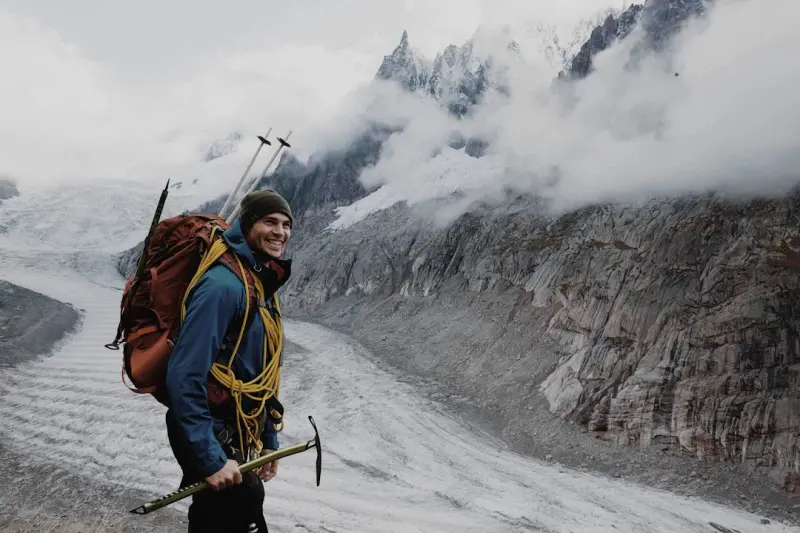
Solo Trekking: How One‑Person Adventures Sharpen Executive Decision‑Making
When I first traded my suit jacket for a weathered rucksack, the world seemed to split into two very different maps: one marked with boardroom deadlines, the other with trailheads and sunrise vistas. I quickly learned that the solitary miles I logged on mountain paths were doing more than just burning calories—they were rewiring the way I think, decide, and lead.
In this post, I’ll walk you through the unexpected ways solo travel can become a hidden engine for executive performance. I’ll share concrete habits I’ve cultivated on the road, the mental tools that translate directly to strategic leadership, and a few practical tips for busy professionals who crave that off‑grid reset without sacrificing momentum.
The Power of Unstructured Time
In the corporate world, our calendars are a patchwork of meetings, calls, and deliverables. The constant buzz creates a mental backdrop that can drown out intuition. Solo trekking strips everything down to the essentials: a backpack, a map, and a single purpose—to keep moving forward.
That stripped‑down environment forces you into a state of unstructured time. Without the safety net of an agenda, you learn to:
- Identify what truly matters in the moment.
- Prioritize tasks based on immediate impact rather than perceived importance.
- Develop a gut‑level confidence in making decisions without external validation.
When I found myself navigating a sudden storm on the Appalachian Trail, the only thing I could rely on was my own assessment of terrain and weather. That split‑second judgment mirrored the pressure of a product launch decision: you have limited data, high stakes, and no time for endless debate. The habit of trusting my own analysis, honed on the trail, now informs boardroom choices with a calm, decisive edge.
Resilience Through Physical Challenge
Physical endurance and mental resilience are two sides of the same coin. Each steep ascent or long‑distance hike tests your limits, but more importantly, it teaches you how to recover.
Consider the “rest‑stop” moment when a blister forces you to pause. The lesson isn’t just about treating the wound; it’s about recognizing the need to recalibrate, refocus, and then push onward. In leadership, setbacks are inevitable—missed targets, product failures, market shifts. By repeatedly confronting and overcoming tangible obstacles, you build a mental toolkit that treats business setbacks as temporary blisters rather than fatal injuries.
Deep Listening: The Soundtrack of Solo Travel
When you travel alone, you become hyper‑aware of the soundscape: the rustle of leaves, distant river currents, the subtle cadence of your own breath. This heightened auditory awareness translates into deep listening in professional settings.
In meetings, it’s easy to formulate a response while someone else is speaking. Solo trekking forces you to listen to the environment first, to understand the terrain before plotting your route. That same discipline can be applied to stakeholder conversations: fully absorb the narrative before jumping to solutions.
For those curious about how audio can shape broader strategies, check out our piece on audio‑first strategies. The concepts of listening and responding echo both on the trail and in digital marketing.
Clarity from Minimalism
Carrying only what you truly need on a solo expedition is a masterclass in minimalism. Every extra item adds weight, slows you down, and creates decision fatigue. This physical principle mirrors the cognitive load of cluttered inboxes and over‑complicated product roadmaps.
Applying a minimalist mindset at work means:
- Eliminating redundant processes.
- Focusing on high‑impact metrics.
- Streamlining communication channels.
When I returned from a week‑long trek through the Patagonian steppe, I felt the urge to declutter my digital workspace. I archived old project files, turned off non‑essential notifications, and adopted a “one‑thing‑at‑a‑time” rule for my team. The result? Faster decision cycles and a noticeable lift in morale.
Creative Sparks from Unfamiliar Environments
New landscapes stimulate the brain’s default mode network—the part responsible for daydreaming, imagination, and problem‑solving. Whether you’re watching sunrise over a desert dune or sipping tea in a remote mountain village, the novelty triggers fresh neural pathways.
Research shows that exposure to diverse environments can boost creative output by up to 30%. On the road, I started a habit of “thought‑journaling”—scribbling ideas on a small notebook during evenings at a hostel. Some of the most viable product concepts and marketing angles emerged from these spontaneous scribbles, later refined in the office.
If you’re looking to blend creativity with data, our article on semantic SEO explores how structured thinking can coexist with creative insight—just as a trek combines planning with improvisation.
Building Empathy Through Cultural Immersion
Solo travel often pushes you into the role of a cultural observer. You learn to read non‑verbal cues, adapt to local customs, and negotiate with people whose worldviews differ from your own. This immersion sharpens empathy—a cornerstone of effective leadership.
Empathy on the trail might look like offering a helping hand to a fellow hiker or learning a few phrases in a new language to ask for directions. In the boardroom, that same empathy translates to:
- Understanding customer pain points without relying solely on surveys.
- Fostering cross‑functional collaboration by recognizing each team’s unique pressures.
- Negotiating partnerships with a genuine appreciation for the other party’s cultural context.
Practical Blueprint: Integrating Solo Trekking into a Busy Schedule
Not every executive can take a month off for a solo expedition, but even short, intentional trips can deliver the same benefits.
- Schedule “Micro‑Trek” Weekends. Pick a nearby nature reserve and commit to a two‑day hike. Treat it as a non‑negotiable meeting with yourself.
- Carry a Thought‑Journal. Use a pocket‑sized notebook to capture insights as they arise. Review them once you’re back at the desk.
- Practice Digital Minimalism. During the trek, go offline for at least 24 hours. Use that silence to reset your mental filters.
- Debrief with Your Team. Upon return, share one key lesson learned on the trail and how it can be applied to current projects.
- Set a “Resilience Metric”. Track moments where you overcame a physical challenge and map that to a business challenge you later faced. Note the correlation.
Case Study: From Summit to Startup Pivot
Two years ago, I embarked on a solo ascent of Mount Kilimanjaro. The climb was physically grueling, but the real revelation came at the summit: the view was breathtaking, but the wind was relentless. That paradox—beauty intertwined with adversity—mirrored a critical inflection point in my startup.
Our product was gaining traction, yet user churn spiked unexpectedly. While most teams dove into data analysis, I stepped back, recalling the summit’s lesson. I asked: “What hidden forces are pushing our users away?” The answer emerged from a simple user interview that revealed a usability friction point we’d missed.
By applying the clarity and resilience cultivated on the mountain, we pivoted the user onboarding flow within a week, resulting in a 15% reduction in churn. The experience cemented my belief that solo trekking is not a leisure activity; it’s a strategic rehearsal for high‑stakes business moments.
Conclusion: Turn the Trail Into a Boardroom Ally
Solo travel isn’t about escaping responsibility—it’s about confronting it in a stripped‑down arena where every decision is magnified. The lessons learned on lonely paths—unstructured time, resilience, deep listening, minimalism, creative spark, and empathy—are directly transferable to the executive suite.
So the next time you feel the weight of an inbox or the pressure of a product launch, consider swapping your office chair for a hiking boot, even if just for a weekend. The payoff isn’t just a refreshed mind; it’s a sharper, more decisive leader ready to navigate the complex terrain of modern business.

Karen Edwards is a seasoned freelance writer with a passion for all things furry, feathered, and scaled. With a dedicated focus on pets, she brings a wealth of knowledge and a keen eye for detail to her writing.
Related Posts

Beyond Sightseeing: How Community‑Driven Adventures Redefine the Journey
Travel becomes richer when you step into the daily lives of locals, sharing skills, stories, and mea... Read More

Savoring Side Streets: How Food‑First Adventures Redefine the Modern Journey
Rose DesRochers shares a fresh travel approach that places food at the center of the adventure, reve... Read More
When Layovers Become Mini Adventures: Reclaiming Transit Time
Layovers don’t have to be dull waiting periods. Learn practical tips to turn airport layovers into... Read More
Top Posts
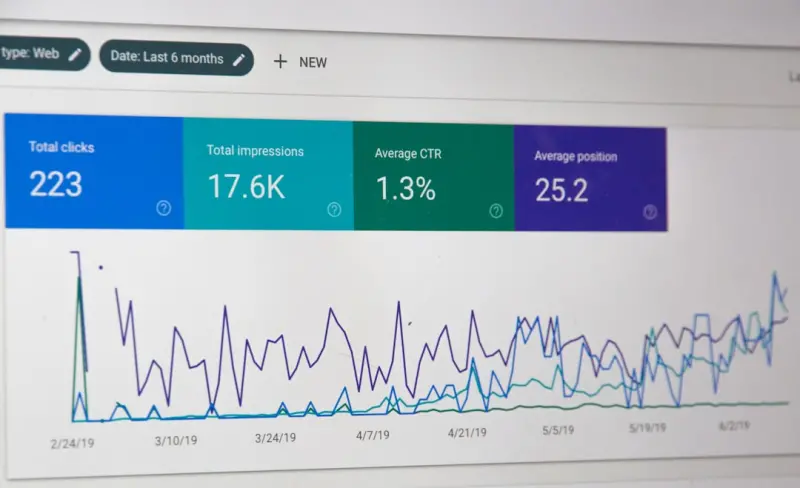
Unlocking Global Growth: A SaaS Leader’s Guide to International SEO
International SEO is more than translation—it’s a cultural and technical overhaul. This guide walks SaaS leaders through market research, hreflang implement...Read More

Sensory Home Tweaks: Simple Tricks to Boost Comfort and Mood
I share my favorite low‑budget sensory tricks—like scent layering, soft lighting, and tactile textures—to instantly elevate your home’s comfort and mood...Read More
Why B2B SaaS Marketers Should Build Micro‑Communities Before Launch
Micro‑communities provide high‑quality, zero‑party data and a trusted platform for co‑creating content, shaping product roadmaps, and accelerating sales...Read More

Beyond Keywords: A SaaS Founder’s Guide to Voice‑First SEO
Voice search is reshaping SaaS discovery. Learn how to shift from traditional keyword tactics to conversational content hubs, structured data, and AI‑assisted...Read More
0 Comments
Post Comment
You will need to Login or Register to comment on this post!