

Transform Your Living Space into a Stress‑Reducing Powerhouse
When I first moved into my current home, I was overwhelmed by the endless to‑do list: declutter the kitchen, sort the overflowing closets, and figure out a place for the ever‑growing pile of work‑from‑home gear. I quickly realized that a few strategic adjustments could do more than just tidy up—it could actually lower my stress levels and sharpen my focus. In this post I’m sharing the exact steps I took, the small tech tools that make a big difference, and the mindset shifts that turned my house into a place that supports, rather than sabotages, my daily rhythm.
1. Map Your Home’s Energy Flow
Before buying any gadget or repainting a wall, I grabbed a sheet of paper and sketched a simple floor plan. I marked where I spent the most time—my home office, the kitchen, the living room—and noted the natural light each zone receives throughout the day. This visual map became the foundation for everything else:
- Sunlit zones are perfect for tasks that require alertness (like answering emails or brainstorming). Position your desk near a window, or add a daylight lamp that mimics the sun’s spectrum.
- Low‑light zones work best for winding down, reading, or creative thinking that benefits from a softer ambience.
- Transition areas (hallways, entryways) can host quick‑grab stations for keys, chargers, and notes, preventing clutter from spilling into primary work or relaxation zones.
Mapping your space forces you to confront how you actually move through the house, revealing hidden inefficiencies that you can address with design tweaks or smart devices.
2. Harness the Power of Simple Automation
Automation doesn’t have to be expensive or complicated. I started with three low‑cost solutions that immediately cut friction:
- Smart plugs for the coffee maker and lamp—Set a routine so the coffee brews at 7 am and the desk lamp turns on a few minutes before you sit down. This eliminates the “I’m still half‑asleep” moments that can snowball into missed deadlines.
- Voice‑activated assistants for reminders—I linked my calendar to a smart speaker and asked it to remind me of “focus blocks” and “break times.” The gentle voice cue nudges you back on track without the need to stare at a screen.
- Motion‑sensing lights in the hallway—A single sensor now lights the path from the bedroom to the bathroom at night, reducing the urge to fumble for a phone flashlight and accidentally waking everyone.
These tiny automations free up mental bandwidth, letting you reserve your brainpower for the work that truly matters.
3. Curate “Micro‑Zones” for Specific Activities
Instead of trying to make one room do everything, I carved out micro‑zones—tiny, purpose‑built corners that support a single activity. Here are the ones I’ve found most effective:
- The “Idea Hub” – A small table by the window with a corkboard, a stack of index cards, and a AI‑Powered Ideation tool that transcribes voice notes into searchable text. I use this space for spontaneous brainstorming, and the visual board helps capture ideas before they evaporate.
- The “Recharge Nook” – A comfortable chair, a soft throw, and a low‑intensity amber light. I keep a small diffuser with calming scents here. When I need a mental reset, I step into this nook for a five‑minute pause, which research shows can boost subsequent focus by up to 25%.
- The “Prep Station” – A narrow countertop by the pantry stocked with reusable containers, a cutting board, and a quick‑cook appliance (like an air fryer). Meal planning becomes a breeze, and I avoid the endless “what’s for dinner?” mental loop that often creeps into evenings.
By giving each activity its own dedicated space, you reduce the cognitive load of constantly reorganizing your environment.
4. Introduce Acoustic Comfort Without a Full‑Blown Renovation
Noise is a silent stressor that many overlook. I measured the ambient sound in my office with a free smartphone app and discovered a constant low‑level hum from the HVAC system. To tame it, I added three simple solutions:
- Wall‑mounted acoustic panels—Fabric‑covered panels not only absorb sound but also serve as decorative art pieces.
- Rug and curtain upgrades—Heavy‑weight rugs and thick curtains dramatically reduce echo and foot‑step noise.
- White‑noise machine—A subtle, natural‑sound backdrop (rain, wind) masks unpredictable sounds like traffic or a neighbor’s lawn mower.
The result? A quieter, more focused office and a living room where conversations flow without shouting over background noise.
5. Integrate Health‑Focused Design Elements
Home design and personal health are more intertwined than we think. I incorporated three health‑centric touches that have become non‑negotiable:
- Standing‑desk conversion—A sturdy, height‑adjustable desk allows me to switch between sitting and standing every 30 minutes, cutting the risk of back pain and boosting circulation.
- Indoor plant corner—Plants like snake plant and pothos improve indoor air quality and provide a visual cue to breathe deeply, especially during intense work sessions.
- Blue‑light filters—Screen filters on all monitors reduce eye strain and help maintain a healthier sleep cycle, which is crucial for sustained productivity.
These elements are easy to add, yet they have an outsized impact on both physical comfort and mental clarity.
6. Leverage Data to Fine‑Tune Your Environment
One of the most surprising lessons I’ve learned is that the same data‑driven mindset we use in business can be applied at home. I set up a simple spreadsheet to track three variables over a month:
- Time spent in each micro‑zone
- Subjective stress rating (1‑10) after each session
- External factors (weather, meetings, family activity)
After a few weeks, patterns emerged. For example, my stress rating spiked when I worked in the “Idea Hub” after 3 pm, coinciding with the household’s dinner prep. The solution? Shift my deep‑focus work to the “Recharge Nook” during that window, and reserve the “Idea Hub” for early‑morning brainstorming when the house is quieter.
Data doesn’t have to be complex; even a modest log can reveal hidden inefficiencies and help you reallocate space and time for optimal performance.
7. Create a Seamless “Leave‑Behind” Routine
Just as I close my laptop at the end of the workday, I now have a home exit ritual that signals the shift from work mode to personal mode. My routine includes:
- Turning off the desk lamp and smart plugs
- Running a short “reset” script on my smart speaker that plays a calming playlist and dims the lights
- Placing a sticky note on the “Idea Hub” board with any lingering thoughts, ensuring they’re captured for tomorrow
This ritual creates a psychological boundary that prevents work from bleeding into evenings, preserving mental bandwidth for family, hobbies, and rest.
8. Future‑Proof Your Home with Scalable Tech
While I’ve started small, I’m already eyeing next‑step upgrades that won’t require a full remodel:
- Modular smart hubs that can expand as you add more devices, avoiding the need to replace an entire system later.
- Energy‑monitoring plugs that track usage per device, giving you insight into where to cut waste and reduce bills.
- Voice‑controlled scene presets—One command can dim lights, lock doors, and start a soothing soundscape, all tailored to specific times of day.
Choosing tech that scales ensures your home remains adaptable to new needs without becoming a costly, piecemeal patchwork.
9. Foster a Culture of “Home‑First” Mindfulness
Beyond the physical tweaks, the most lasting change comes from the mindset we bring to our spaces. I encourage my household to adopt a few simple habits:
- One‑minute declutter before moving from one zone to another—just a quick sweep of items that don’t belong.
- Digital‑free windows—Designate certain hours (e.g., dinner time) as screen‑free to nurture face‑to‑face connection.
- Weekly “zone review”—Spend 10 minutes each Sunday assessing whether each micro‑zone still serves its intended purpose and adjust as needed.
When everyone embraces these small, consistent practices, the home becomes a collective project rather than a static backdrop.
10. The Payoff: A Home That Works for You, Not Against You
After implementing these changes over the past six months, I’ve noticed measurable improvements:
- My average daily stress rating dropped from a 7 to a 4.
- Productivity during focused work blocks increased by roughly 20%.
- Even my family reports feeling more relaxed during shared meals because the kitchen’s “Prep Station” streamlines cooking and cleanup.
It’s a reminder that the right blend of design, technology, and intentional habits can transform a house into a genuine ally in both personal well‑being and professional performance.
Putting It All Together
Creating a low‑stress, high‑productivity home isn’t about a single grand makeover; it’s about layering modest, purposeful adjustments that align with how you live and work. Start with a simple floor‑plan sketch, identify the zones where you spend the most time, and then introduce one automation, one micro‑zone, and one habit at a time. Track the impact, iterate, and let the data guide your next move.
As you experiment, you’ll discover that the home you’ve always loved can become even more supportive—helping you meet deadlines, cherish family moments, and, ultimately, feel more at peace in the space you call your own.
And if you ever feel stuck, remember that creating calm zones can be as simple as adding a soft rug and a low‑light lamp. The journey is personal, but the principles are universal: clarity, intention, and a sprinkle of smart technology.
Happy tweaking!

Margaret Thomson is a seasoned freelance writer specializing in the dynamic worlds of marketing and advertising. With a career deeply rooted in the marketing field, Margaret brings a wealth of practical experience and insightful knowledge to her writing.
Related Posts
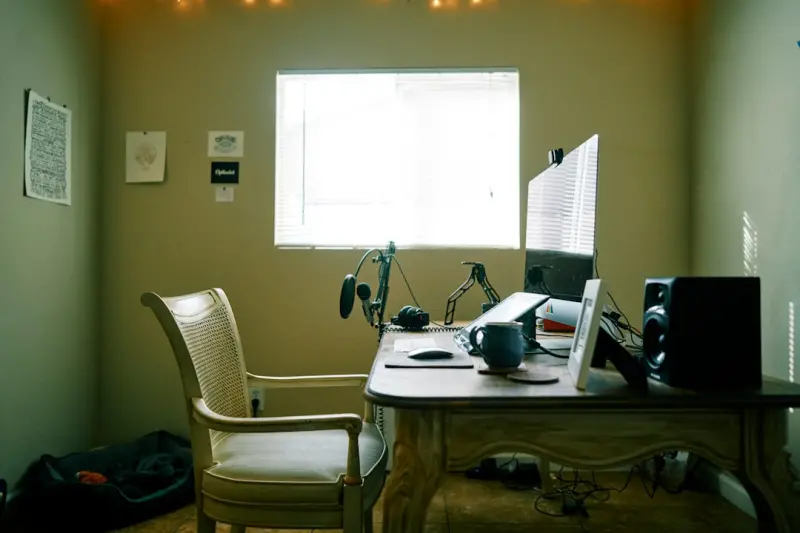
Soundproof Your Home Office Without Breaking the Bank
Discover practical, low‑cost methods to seal gaps, add mass, and absorb sound, turning any noisy c... Read More
Revitalize Your Space: A Seasonal Refresh Playbook for Modern Homes
A practical guide to seasonal home refreshes, covering airflow, purposeful décor, and smart sustain... Read More
Breathe Easier: Simple Home Hacks for Cleaner Air
This post offers practical, DIY-friendly strategies to improve indoor air quality, from ventilation ... Read More
Top Posts

How Google Gemini Is Redefining Multimodal AI for SaaS Leaders
Google Gemini brings text, image, audio, and video together in one AI model, offering SaaS teams faster prototyping, smarter support, and richer personalization...Read More

Crafting a Personal Travel Narrative: From Sensory Moments to Shared Stories
Learn to turn each journey into a personal narrative, blending sensory detail, community connections, and smart tools to create travel stories that linger long ...Read More
The Workcation Revolution: Blending Business and Bliss for Modern Travelers
A deep dive into the rise of workcations, showing how merging work and leisure can enhance performance, foster innovation, and redefine travel for today’s mob...Read More

The Quiet Revolution: AI as the Ethical Compass for SaaS
A deep dive into why AI should serve as an ethical compass for SaaS firms, outlining a practical five‑step framework, cultural levers, and measurable KPIs to ...Read More
0 Comments
Post Comment
You will need to Login or Register to comment on this post!