

Finding Calm in the Chaos: How to Build a Low‑Tech Sanctuary at Home
When the world feels like it’s moving at warp speed, my go‑to refuge is a deliberately simple corner of my house. I’m not talking about a high‑tech meditation pod or a subscription‑based aroma diffuser. I’m talking about a low‑tech sanctuary that anyone can create with a few thoughtful choices, a pinch of creativity, and a willingness to let the noise fade.
Why a Low‑Tech Sanctuary Works
Modern life is saturated with screens, notifications, and constant data streams. Even if you work from a quiet office, the moment you step through your front door you’re hit with a chorus of digital demands: the phone buzzes, the smart speaker chimes, the thermostat adjusts itself based on a cloud algorithm you never see. While these gadgets can make life easier, they also keep our nervous system on edge.
Research shows that environments with minimal electromagnetic interference and reduced visual clutter help the brain shift from a “fight‑or‑flight” state into a restorative mode. In short, a low‑tech space encourages the parasympathetic nervous system to take the wheel, lowering cortisol levels and allowing true relaxation to happen.
Step 1: Choose the Right Spot
Location matters more than square footage. Look for a nook that naturally feels separate from the high‑traffic zones of your home. It could be:
- A window seat that catches the morning sun.
- An unused closet converted into a micro‑room.
- A corner of the bedroom that isn’t dominated by the bed.
- A small balcony or patio sheltered from street noise.
When you stand in the spot, ask yourself: Do I feel a subtle pull to sit down? Is the view calming (even if it’s just a wall painted a soothing hue)? Does the area stay relatively quiet throughout the day? If the answer is “yes,” you’ve found your canvas.
Step 2: Declutter Visually and Physically
Clutter is the silent stressor that most of us ignore. In a sanctuary, every object should have purpose or bring joy. Follow these guidelines:
- Clear surfaces. Keep tabletops bare except for a single object that you love – a smooth river stone, a favorite book, or a small ceramic vase.
- Limit décor. A single piece of art or a simple tapestry can add personality without overwhelming the senses.
- Hide cords. Use cable clips or decorative boxes to keep charging cables out of sight. This reduces visual noise and also minimizes electromagnetic exposure.
When you finish the decluttering, step back and breathe. If you still feel a sense of “something missing,” it might be that you need to add a tactile element, like a soft blanket or a plush rug.
Step 3: Light It Right
Lighting is the most powerful tool for shifting mood. Natural light is ideal, but it’s not always available, especially in the evenings. Here’s how to master the lighting hierarchy:
- Daytime – harness sunlight. Position your seat near a window so you can bask in the gentle, diffused light that changes throughout the day.
- Evening – use warm, low‑intensity bulbs. Choose bulbs with a color temperature between 2,200‑2,700 K. Avoid bright white or cool daylight bulbs, which can trick your brain into thinking it’s still daytime.
- Layered lighting. Pair a small floor lamp with a dimmable table lamp. The ability to adjust brightness gives you control over the atmosphere.
One surprising tip: a single candle (real wax, not LED) can add a subtle flicker that encourages slow breathing. Just be sure to supervise it and keep it away from flammable materials.
Step 4: Bring in Nature (Without the Hassle)
Plants are the unsung heroes of any home sanctuary. They improve air quality, boost mood, and create a visual connection to the outdoors. If you’re not a green thumb, start with these low‑maintenance options:
- Snake Plant (Sansevieria). Tolerates low light and irregular watering.
- ZZ Plant (Zamioculcas). Thrives in indirect light and can survive weeks without water.
- Pothos. Grows in a hanging basket or a small pot and can be trimmed to stay compact.
Place the plant at eye level or slightly above to create a natural focal point. If you have more space, a small indoor water feature adds the soothing sound of moving water without requiring a massive aquarium.
Step 5: Sound Management
Even the quietest rooms can echo with the hum of a refrigerator or distant traffic. Sound can either anchor you in calm or pull you out of it.
- Soft furnishings. Rugs, curtains, and upholstered chairs absorb sound waves.
- White‑noise options. A small tabletop fan, a bowl of rice, or a dedicated white‑noise machine can mask disruptive background noise.
- Strategic silence. Turn off any smart speakers or devices that constantly listen for wake words while you’re in the sanctuary. This eliminates both audible chatter and the low‑level radio waves they emit.
Step 6: Choose a Purposeful Activity
A sanctuary is more than a pretty corner; it’s a place for a deliberate practice that signals to your brain it’s time to unwind. Here are three low‑tech activities that complement a calm environment:
- Journaling with pen and paper. Write down thoughts, gratitude, or a simple to‑do list for tomorrow. The tactile act of writing engages different neural pathways than typing.
- Guided breathing. Use a small timer or a sand hourglass to pace your inhalations and exhalations. The visual cue of falling sand can be meditative.
- Reading a physical book. Choose a genre that transports you – poetry, short stories, or a travel memoir. The act of turning pages creates a rhythm that digital scrolling can’t match.
Pick one activity and commit to it for at least five minutes each day. Over time, your brain will associate that corner with the calming routine, deepening the restorative effect.
Step 7: Keep the Space Sacred
Consistency is key. If you allow the sanctuary to become a storage dump or a spot for quick chores, its purpose erodes. Set a simple rule: “Only activities that nurture mind or body belong here.” When the rule is respected, you’ll find yourself naturally drawn to the space during stressful moments.
Integrating Low‑Tech Design with Modern Life
While the sanctuary itself stays low‑tech, it doesn’t have to exist in isolation from the rest of your smart home. Here’s how to blend the two without compromising the calm:
- Schedule “Do Not Disturb” modes. Use your phone’s native settings to silence notifications during your sanctuary time.
- Automate the transition. Set a simple scene on your smart lighting system that dims the house and turns on the sanctuary’s lamp with a single voice command—just before you enter the space.
- Leverage data for improvement. If you’re curious about how your new habit impacts productivity, you can later explore articles like Edge Computing for SaaS: Why Proximity Is the New Performance Paradigm to understand how proximity to resources (in this case, a calm environment) can boost performance.
Beyond the Sanctuary: Extending Calm to the Whole Home
Once you’ve mastered a dedicated nook, you’ll notice the ripple effect throughout your house. Small habits that start in one room can inspire changes elsewhere:
- Swap a high‑glare bathroom mirror for a frosted version to soften morning light.
- Replace a noisy kitchen exhaust fan with a quieter model, or simply schedule cooking during quieter hours.
- Introduce a “quiet hour” after dinner where screens are turned off, and the family engages in board games, conversation, or gentle stretches.
Each adjustment reinforces the principle that a calm home isn’t about eliminating technology—it’s about choosing when and where technology serves you, and when silence serves you better.
Final Thoughts: The Power of Intentional Simplicity
Creating a low‑tech sanctuary isn’t a DIY project you finish and forget. It’s an evolving practice that reflects your changing needs and rhythms. By committing to a space that strips away the constant buzz of digital life, you give yourself the gift of mental reset, deeper focus, and a healthier relationship with the technology that surrounds you.
Remember, the goal isn’t to reject modern conveniences entirely; it’s to curate an environment where you can step back, breathe, and reconnect with the simple, sensory pleasures of home. When you do that, you’ll notice the rest of your day—work, family time, even the occasional Zoom call—feels a little less frantic and a lot more grounded.
If you’re interested in how other low‑tech habits intersect with cutting‑edge technology, you might enjoy exploring Beyond the Cloud: Federated Learning as the Next Frontier for SaaS AI. While the article is tech‑focused, the underlying principle of balancing privacy, performance, and simplicity can inspire new ways to think about your sanctuary’s role in a hyper‑connected world.

Dale Peterson is a freelance writer with a passion for technology, travel, law and personal finance. With 10 years of experience crafting compelling and informative content, he's dedicated to delivering high-quality writing for Blogging Fusion that engages audiences and achieves specific goals.
Related Posts
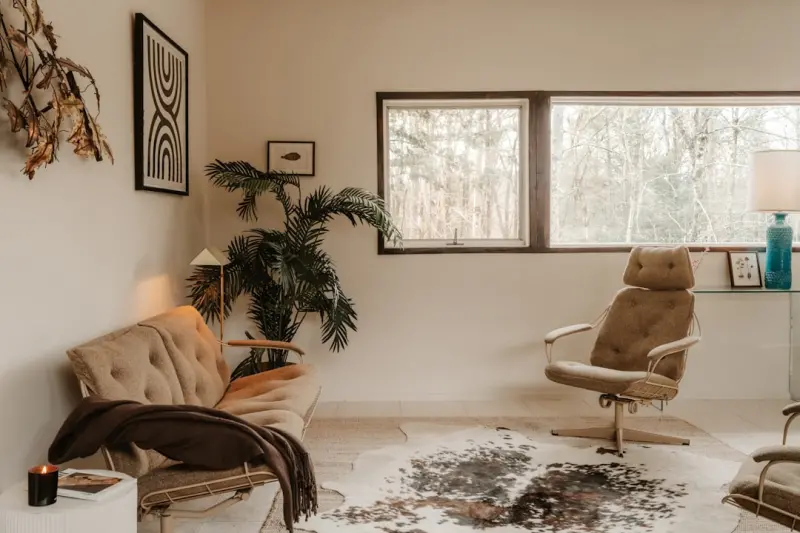
Seasonal Home Reset: Refresh Your Space Without a Full Renovation
Discover a practical seasonal reset guide that uses light, color, scent, and smart tweaks to transfo... Read More
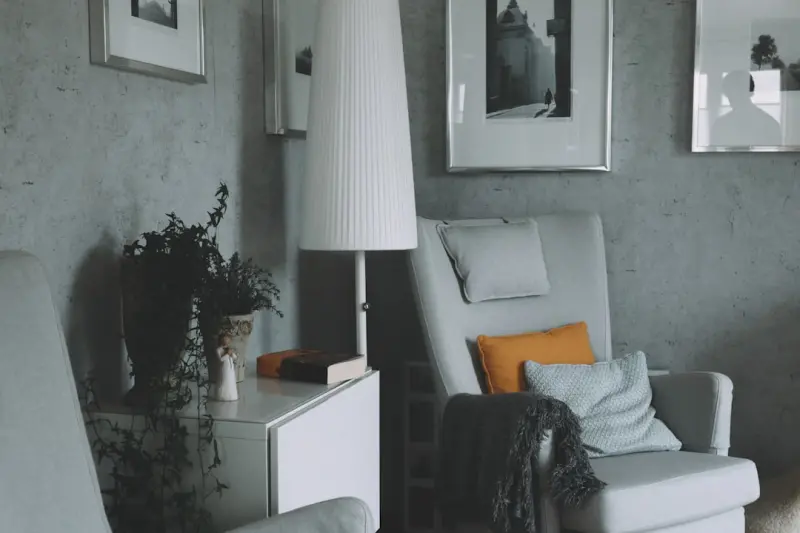
Revitalize Your Home with Sensory‑Smart Design Hacks
Margaret Thomson shares simple, sensory‑smart strategies—light, sound, texture, and scent—to t... Read More
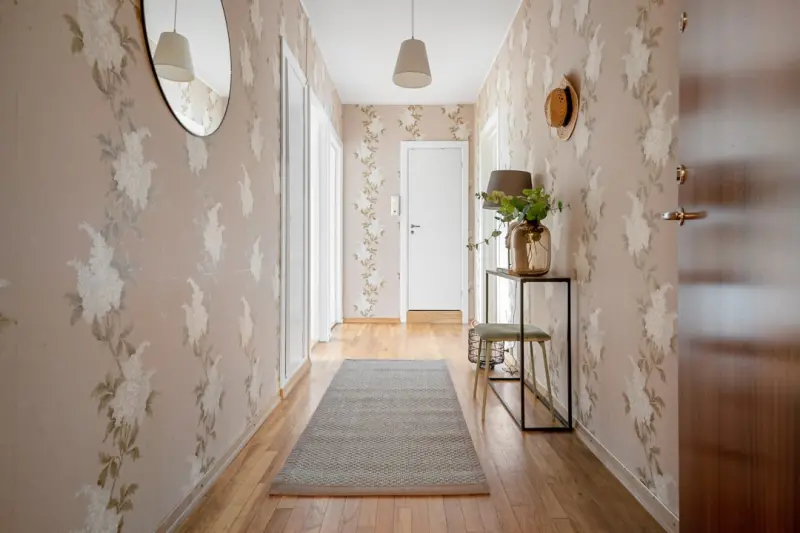
Revamp Your Entryway: Smart, Stylish, and Stress‑Reducing Tips
A detailed guide shows how to transform a neglected entryway into a functional, stylish space using ... Read More
Top Posts

Why Google’s Data‑Lake‑House Is a Game‑Changer for B2B SaaS
Google’s data‑lake‑house combines cheap raw storage with powerful analytics, giving B2B SaaS teams a scalable, cost‑effective platform for faster insigh...Read More

The Untapped Power of Private Messaging Communities for Brands
Explore the rise of private messaging communities, learn how to build and scale them, and see why they’re becoming the most powerful tool for modern marketers...Read More

Why Interactive Video Is the Next Frontier in B2B Digital Marketing
Interactive video is reshaping B2B digital marketing by turning passive viewers into active participants, capturing zero‑party data, and boosting SEO—all wh...Read More

Micro‑Expeditions: Turning Short Trips into Big Wins for Professionals
Discover the power of micro‑expeditions—brief, intentional trips designed to sharpen skills, spark creativity, and deliver tangible value both at work and i...Read More
0 Comments
Post Comment
You will need to Login or Register to comment on this post!