

Why Purpose‑Driven Travel Matters
When I first left the comfort of my hometown to teach English in a coastal village, I expected the usual postcard‑perfect moments: sunrise over the sea, fresh‑caught fish on a beach fire, and endless Instagram likes. What I didn’t anticipate was the profound shift in how I experienced travel. I moved from being a fleeting observer to an active participant in a community’s everyday rhythm. That transformation sparked a question that still fuels my wanderlust today: how can every trip become a catalyst for positive change?
Travel has long been marketed as an escape, a way to collect experiences like stamps in a passport. But the rise of purpose‑driven journeys flips that script. Instead of leaving footprints that fade with the tide, we can plant seeds that grow long after we’ve boarded the next flight. This mindset isn’t about “voluntourism” as a buzzword; it’s about genuine, reciprocal exchange—where you bring a skill, learn a tradition, and walk away with a deeper sense of connection.
Finding Authentic Volunteer Opportunities
Not every “volunteer” listing is created equal. The first step is to research the organization’s track record. Look for transparency in impact reports, clear communication channels, and a history of community‑led projects. A quick way to gauge authenticity is to check whether the host community had a hand in designing the program. If the answer is “yes,” you’re likely looking at a partnership rather than a top‑down initiative.
Platforms that aggregate opportunities can be helpful, but I recommend starting with local NGOs and community boards. A simple search in the destination’s native language (“volunteer projects in [city]”) often surfaces grassroots groups that don’t appear on the big‑ticket sites. Reaching out directly shows respect for their autonomy and helps you tailor your contribution to actual needs.
Balancing Skill‑Sharing with Cultural Respect
One of the biggest pitfalls for well‑meaning travelers is the assumption that we know what’s best for others. The mantra “teach, don’t impose” is more than a polite reminder; it’s a guiding principle for ethical collaboration. Before you pitch your expertise—be it digital marketing, construction, or culinary arts—spend a few days listening. Ask open‑ended questions: “What challenges are you facing?” “Which skills are most needed?” and, crucially, “How can my background complement your existing strengths?”
In practice, this might look like a two‑hour workshop on basic bookkeeping for a cooperative, followed by a hands‑on session where participants apply the concepts to their own ledgers. The goal is to empower locals to own the process, not to hand them a finished product. When you see a smile that says, “We figured it out together,” you know you’ve hit the right note.
Logistics: Packing Light, Staying Flexible
Purpose‑driven travel demands a different packing strategy than a luxury resort vacation. First, bring versatile tools that can be used in a variety of contexts—a sturdy notebook, a compact solar charger, and a set of reusable containers. Second, consider the cultural expectations around attire and equipment. In many rural settings, bright colors or bulky gear can draw unnecessary attention. Opt for neutral tones and minimalist designs.
Flexibility is equally crucial. Projects may shift due to weather, local festivals, or unexpected community needs. Build buffer days into your itinerary so you can adapt without feeling rushed. And always have a backup plan for communication—local SIM cards, offline maps, and a list of emergency contacts go a long way toward keeping your mission on track.
Measuring Impact and Staying Ethical
Impact isn’t measured solely by the number of hours you log or the pamphlets you hand out. True impact is reflected in the community’s ability to sustain the initiative after you leave. Before you begin, co‑create a set of simple, measurable outcomes with your hosts. These could be as straightforward as “increase literacy rates by 5% in six months” or “reduce water waste by 10% through a new filtration system.”
After the project, conduct a brief debrief with local partners. Ask what worked, what didn’t, and how they envision the next steps. This feedback loop not only validates the effort but also builds trust for future collaborations. Remember, the most ethical approach is to treat the experience as a two‑way street—your growth is just as important as the community’s progress.
Future Trends: Community‑Centric Travel Platforms
Technology is quietly reshaping how we connect with purpose‑driven projects. Emerging platforms are moving beyond generic listings to curate experiences based on shared values and skill sets. While some of these tools still rely on data analytics—something I’m cautious about—I’m excited to see the rise of community‑first ecosystems that prioritize consent and mutual benefit.
One example is a new marketplace that pairs travelers with local mentors, allowing for skill‑exchange sessions that are scheduled and reviewed by the community itself. This model reduces the risk of “voluntourism fatigue” and ensures that each interaction is meaningful. Keep an eye on these developments; they may become the backbone of the next generation of ethical travel.
Putting It All Together: Your First Purpose‑Driven Trip
Ready to take the plunge? Here’s a quick checklist to help you launch your first impact‑focused adventure:
- Identify your core skill—what can you teach or contribute without needing extensive training?
- Research destinations that align with your interests and have clear community needs.
- Reach out directly to local NGOs or community leaders; avoid one‑size‑fits‑all programs.
- Plan logistics that respect local customs and allow for flexibility.
- Co‑create impact metrics with your hosts to ensure sustainability.
- Document responsibly—share stories that amplify local voices, not just your own.
When I look back on my journey from a tourist who merely “saw” a place to a change‑maker who helped a community build a small library, the difference isn’t just in the photographs I bring home. It’s in the relationships forged, the lessons learned, and the confidence that travel can be a force for good. Your next trip could be the first chapter of that story.
Curious about other ways technology can support ethical travel? Check out this insightful piece on how data is reshaping modern journeys: Redefining Modern Travel. And if you’re interested in the broader conversation around responsible digital tools, you might find the discussion on Strategic Partnerships with Technology thought‑provoking.

Karen Edwards is a seasoned freelance writer with a passion for all things furry, feathered, and scaled. With a dedicated focus on pets, she brings a wealth of knowledge and a keen eye for detail to her writing.
Related Posts

The Unplugged Traveler: Turning Downtime Into Business Innovation
Discover the power of unplugged travel: by carving out intentional downtime and stepping away from s... Read More

Crafting a Personal Travel Archive: From Moments to Memories
Discover the art of creating a personal travel archive—capturing sensory details, curating meaning... Read More

Wanderlust Meets Innovation: Rethinking SaaS on the Road
Travel transforms SaaS thinking by exposing founders to real‑world problems, inspiring cross‑ind... Read More
Top Posts
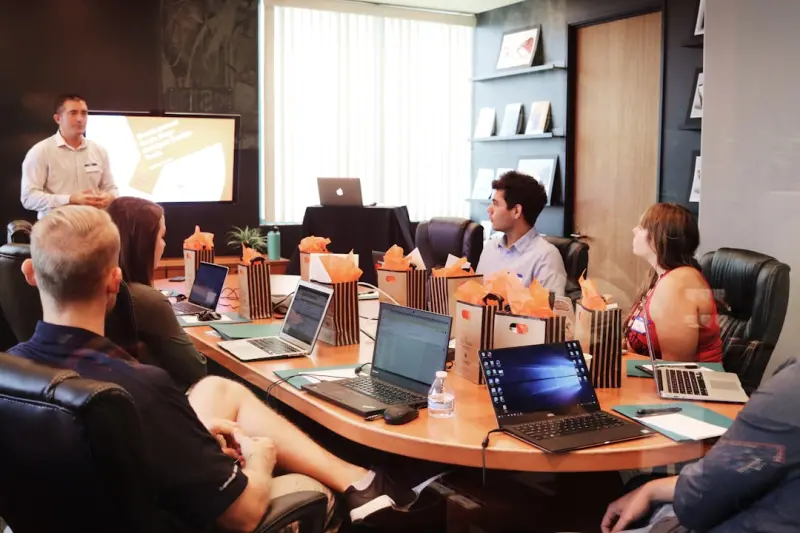
Turning Employees into Brand Ambassadors: A New Frontier for B2B Digital Marketing
Learn how to transform every team member into a micro‑influencer, leveraging authentic stories, technology, and community‑first principles to create a highâ...Read More

Transform Your Home Into a Calm, Functional Sanctuary
Learn how simple tweaks—smart lighting, hidden storage, low‑maintenance plants, and sleep‑friendly tech—can turn any home into a calm, functional sanctu...Read More
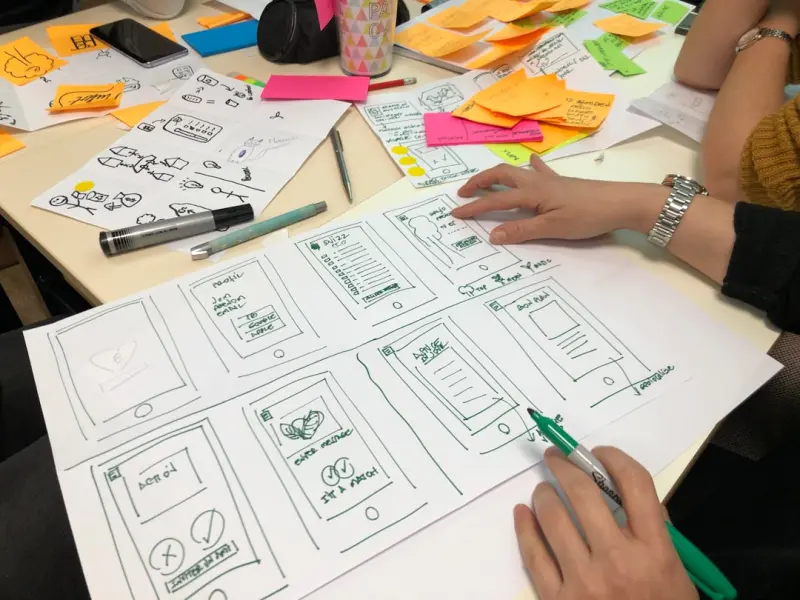
Sensory Storytelling: Crafting Multi‑Sense Experiences for B2B Buyers
Margaret Thomson explains why adding sight, sound, touch, scent, and even taste to B2B campaigns can cut through data overload, enhance brand recall, and drive ...Read More

Riding Google’s AI Wave: A Marketer’s Front‑Line Perspective
A marketer shares insider tactics for mastering Google’s AI-driven search, blending tech tools with human storytelling to stay ahead of the curve....Read More
0 Comments
Post Comment
You will need to Login or Register to comment on this post!