
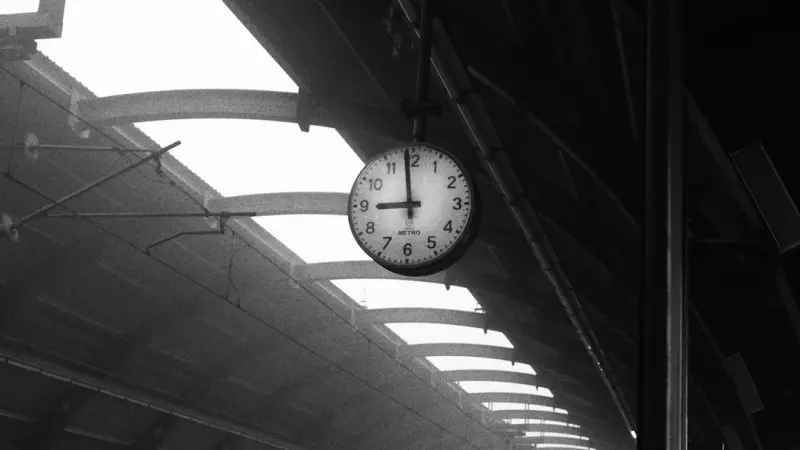
Rewiring Your Internal Clock: How Natural Light Can Supercharge Your Health and Work
When I first started my career in SaaS, I thought “health” meant squeezing in a quick yoga session between meetings and keeping a water bottle within arm’s reach. Years later, after countless late‑night releases and endless Zoom calls, I realized that the real missing piece wasn’t a new supplement or a fidget toy—it was the rhythm of light itself.
Our modern workspaces are built for productivity, not for the biology that evolved under a sky that brightens and dims predictably. The result? A collective desynchronization that bleeds into our energy, mood, and even our immune system. In this post, I’ll walk you through why aligning with natural light matters, how to design a “light‑first” routine, and practical steps you can implement whether you’re in a high‑rise office or a home office that doubles as a couch‑based productivity oasis.
The Science Behind Light and the Body Clock
The circadian rhythm—our 24‑hour internal clock—is orchestrated by a tiny brain region called the suprachiasmatic nucleus (SCN). The SCN receives direct input from specialized retinal cells that detect light, especially blue‑rich wavelengths that dominate daylight. When these cells sense bright morning light, they send a cascade of signals that:
- Suppress melatonin production, the hormone that makes us sleepy.
- Boost cortisol briefly, giving us a natural “wake‑up” boost.
- Synchronize peripheral clocks in the liver, gut, and immune cells.
Conversely, exposure to dim or artificial light after sunset tells the SCN that night is still far away, delaying melatonin release and confusing the body’s metabolic processes. Over weeks or months, this misalignment can manifest as chronic fatigue, reduced cognitive performance, and a heightened risk for metabolic disorders.
Why “Tech‑Centric” Health Strategies Miss the Mark
Many of the health hacks we see in tech circles focus on quick fixes: a Hydration Hack to sharpen focus, or a Screen Fatigue Survival guide that recommends eye drops and posture tweaks. While these are valuable, they address symptoms rather than the root cause—our exposure to light.
Consider this: If you keep your blinds drawn from sunrise to sunset, your body receives a constant artificial glow that mimics “twilight.” No matter how many vitamins you pop, the SCN will stay in a state of perpetual dusk, leaving you stuck in a low‑energy plateau. The most powerful health interventions, therefore, are often the simplest: let the sun in.
Designing a Light‑First Workspace
Below is a step‑by‑step blueprint to transform any workspace into a circadian‑friendly environment.
- Map Your Light Exposure. Use a smartphone light‑meter app to log the intensity (in lux) of your workspace at different times of day. Aim for at least 1,000 lux in the morning and no more than 200 lux after 7 p.m.
- Maximize Morning Sun. Position your desk near a window that faces east or southeast. If you can’t move your desk, place a reflective surface (a whiteboard or light‑colored panel) opposite the window to bounce light onto your work area.
- Control Artificial Light. Switch to full‑spectrum “daylight” LEDs (5,000–6,500 K) for the first half of the day. In the afternoon, transition to warmer tones (2,700–3,000 K) to signal the brain that evening is approaching.
- Install Dynamic Lighting. Smart lighting systems can automatically shift color temperature based on the time of day. If a full system feels too pricey, even a simple timer‑controlled lamp can do the trick.
- Use Light‑Blocking Curtains. In the evening, blackout curtains prevent residual daylight from extending your “day.” Pair them with a low‑intensity amber lamp for nighttime tasks.
- Take “Sunbreaks.” Every two hours, step outside for 5–10 minutes. Even a brief exposure to natural light can reset the SCN and improve alertness.
- Mind Your Screens. Enable “night shift” or “blue‑light filter” settings after sunset. For a stronger effect, wear blue‑light blocking glasses if you must work late.
Light, Mood, and Mental Resilience
Beyond the physiological benefits, light profoundly shapes our emotional landscape. Research links low morning light exposure to higher rates of depression and anxiety. By simply brightening your mornings, you can experience:
- Improved mood stability throughout the day.
- Greater mental clarity, especially during complex problem‑solving sessions.
- Reduced stress reactivity, as cortisol peaks align more predictably with waking.
In practice, I started my day with a 15‑minute “sun salute” on my balcony, followed by a quick journal entry. The natural illumination combined with a moment of gratitude set a tone that carried through my meetings and code reviews, reducing the internal chatter that usually spikes after a caffeine binge.
Case Study: From “Always‑On” to “Sun‑Aligned”
One of my SaaS colleagues, Alex, was notorious for answering Slack messages at 2 a.m. He reported chronic brain fog, an inability to focus, and a lingering sense of exhaustion. After a brief audit of his light habits, we implemented the following changes:
- Morning: He moved his workstation to a window‑facing desk and opened the blinds at 7 a.m.
- Midday: He added a portable LED panel set to 5,500 K for an extra boost during lunch.
- Evening: He installed blackout curtains and a dim amber lamp, turning off all screens by 8 p.m.
- Weekend: He incorporated a “nature walk” ritual, exposing himself to natural light for 30 minutes each Saturday.
Within three weeks, Alex reported a 30 % increase in perceived energy, his code review turnaround time improved, and he finally slept through the night without the usual “late‑night sprint” reflex. This anecdote illustrates how a light‑first approach can transform both personal well‑being and professional output.
Integrating Light Strategies with Existing Health Routines
If you’re already following a Sleep Optimization plan or using the Hydration Hacks, adding light alignment is a natural next step. Here’s how to weave them together:
- Morning Hydration + Sunlight. Drink a glass of water as soon as you open your blinds. The combination of hydration and light jump‑starts both your brain and kidneys.
- Mid‑Afternoon Movement + Light Break. Schedule a brief walk outside after lunch to counteract the post‑lunch dip in alertness.
- Evening Wind‑Down. Dim lights, sip a caffeine‑free tea, and reflect on the day’s achievements. This signals the SCN that it’s time to produce melatonin.
Common Pitfalls and How to Avoid Them
Implementing a light‑centric routine isn’t without challenges. Here are the most frequent stumbling blocks and practical solutions:
- “My office has no windows.” Invest in a high‑intensity light therapy box (10,000 lux). Use it for 20‑30 minutes each morning while you check email.
- “I work night shifts.” Create a “dark room” during your daytime sleep to mimic nighttime. Use orange‑hued bulbs for any necessary lighting, and keep a light box handy for the “wake‑up” portion of your shift.
- “I’m afraid I’ll get a headache from bright light.” Start with lower intensity (500–800 lux) and gradually increase. Position the light at a 45‑degree angle to avoid glare.
Measuring Success: Metrics That Matter
To ensure your new routine is delivering results, track these simple metrics for at least two weeks:
- Energy Levels. Rate your morning, midday, and evening energy on a 1‑10 scale.
- Focus Duration. Record how many uninterrupted minutes you can sustain deep work.
- Sleep Quality. Use a sleep tracker or journal to note latency (time to fall asleep) and wake‑after‑sleep occurrences.
- Mood Swings. Note any shifts in irritability or anxiety.
If you see a consistent upward trend across these variables, you’ve likely hit the sweet spot of circadian alignment.
Conclusion: Light as the Ultimate Health Lever
In a world that idolizes hustle and endless connectivity, the most subversive act you can take is to let the sun dictate the rhythm of your day. By prioritizing natural light, you’re not just improving eyesight or boosting vitamin D—you’re recalibrating the very engine that drives cognition, mood, and metabolic health.
Take one small step today: open your blinds, turn on a bright lamp, or schedule a 10‑minute walk outside. The ripple effect will echo through your code, your meetings, and ultimately, the quality of life you lead beyond the screen.

In the world of freelance writing, where creativity and adaptability are paramount, Michelle Fisher stands out as a dedicated and versatile professional. With a passion for crafting compelling narratives and a keen eye for detail, Michelle has established herself as a trusted voice.
Related Posts

Turning Workday Wellness into a Game: The Hybrid Health Playbook
A fresh take on workplace health, this guide shows how to turn daily routines into a game, leveragin... Read More

Recharging Your Brain: Sleep Hacks for the Always‑On Professional
A deep dive into actionable sleep habits— from tech dimming to micro‑naps and mindful wind‑dow... Read More

Digital Biohacking: Tiny Tech Habits That Transform Your Well‑Being
Explore how small, intentional changes to your digital environment—like smart notification managem... Read More
Top Posts
Zero‑Click Search: How Brands Can Win Without a Single Click
Zero‑click search is changing the game. Learn why clicks matter less, how to secure featured snippets, and the metrics that truly reflect brand impact in a cl...Read More

Riding Google’s AI Wave: A Marketer’s Journey Through Innovation
Explore a marketer’s personal journey navigating Google’s AI innovations, balancing brand authenticity with data-driven strategies for lasting SEO success....Read More
Observability as a Service: Turning Data Noise into Strategic Insight
Observability as a Service converts raw metrics, logs, and traces into a unified, AI‑driven narrative, empowering SaaS teams to ship faster, reduce downtime, ...Read More

Audio‑First Marketing: Turning Sound Into a Strategic Growth Engine
Audio is reshaping digital marketing. Learn how to build an audio‑first strategy, integrate it with existing channels, measure success, and avoid common pitfa...Read More
0 Comments
Post Comment
You will need to Login or Register to comment on this post!