
Why Your Sleep Needs a Tech‑Infused Makeover
When I first started tracking my own bedtime, the data shocked me. I thought I was a “good sleeper” because I rarely hit the snooze button. Yet my wearable showed over 30% of nights spent in light sleep, with fragmented REM cycles that left me groggy at sunrise. The realization was simple: sleep is no longer a passive, unmonitored state. It’s a quantifiable performance metric that can be optimized—just like any other business KPI.
The Hidden Cost of “Good Enough” Rest
Most professionals accept adequate sleep as a given. The truth is, even a small dip in sleep quality can ripple through every facet of work life:
- Decision‑making latency: Sleep‑deprived brains process information 20% slower.
- Creative bandwidth: REM sleep fuels divergent thinking; less REM means fewer breakthrough ideas.
- Physical resilience: Immune function drops sharply after just two nights of sub‑optimal sleep.
When you add remote‑work fatigue and screen‑time overload to the mix, the stakes rise dramatically. Ignoring the problem is no longer an option.
Enter the Era of Data‑Driven Rest
Wearable technology has moved beyond step counts. Modern devices capture heart‑rate variability (HRV), skin temperature, breathing patterns, and even micro‑movements during sleep. These metrics paint a nuanced picture of sleep architecture—the distribution of light, deep, and REM stages.
But raw data is only half the story. The real power lies in interpretation and actionable insights. Platforms that aggregate nightly trends, compare them against population benchmarks, and recommend concrete adjustments are turning sleep into a true performance lever.
Building Your Personal Sleep Dashboard
Start by consolidating all your sleep‑related data into a single dashboard. Most wearables sync with health apps, but you can also export CSV files and feed them into custom analytics tools. Here’s a quick blueprint:
- Identify core metrics: HRV, sleep latency, total sleep time, deep‑sleep percentage, REM percentage.
- Set baselines: Use the first two weeks to establish personal norms.
- Detect patterns: Look for correlations between work stress, caffeine intake, and night‑time disturbances.
- Trigger actions: If deep‑sleep drops below 15% for three consecutive nights, schedule a wind‑down ritual.
For those who love a tidy, secure home environment, consider integrating your sleep dashboard with smart‑home automations. A secure sleep sanctuary can dim lights, adjust thermostat settings, and mute notifications automatically at bedtime.
Environmental Tweaks That Actually Matter
While data tells you what to improve, environmental changes answer the how. Here are evidence‑backed tweaks that show measurable lifts in deep‑sleep and REM scores:
- Temperature control: Aim for 60‑67°F (15‑19°C). Your body’s core temperature naturally dips, signaling it’s time to enter deep sleep.
- Blue‑light mitigation: Use amber glasses or built‑in device filters at least an hour before bed to preserve melatonin production.
- Soundscapes: Consistent white noise masks disruptive spikes; some users benefit from low‑frequency binaural beats that enhance theta waves.
- Air quality: A modest increase in indoor humidity (40‑50%) can reduce snoring and improve nasal breathing, leading to fewer night awakenings.
Remember, the goal isn’t to create a sterile “sleep lab” but to strategically align your bedroom with the body’s natural rhythms.
Nutrition and Supplements: The Nighttime Fuel
What you consume before bed can be a game‑changer. Here are three data‑driven recommendations:
- Magnesium‑rich foods or supplements: Studies show a 15% increase in deep‑sleep duration when magnesium levels are optimized.
- Low‑glycemic snacks: A small protein‑carb combo (e.g., Greek yogurt with berries) stabilizes blood sugar, preventing mid‑night cortisol spikes.
- Adaptogenic herbs: Ashwagandha and lemon balm have been linked to reduced sleep latency, especially for high‑stress professionals.
Track your intake in the same dashboard you use for sleep metrics. Correlate meals with night‑time HRV trends to pinpoint the most effective combos.
Mind‑Body Practices That Complement the Data
Even with the most advanced wearables, the brain’s subjective state matters. Incorporate one of these low‑effort practices into your wind‑down routine:
- 4‑7‑8 breathing: A simple pattern that stimulates the parasympathetic nervous system, measurable by a rise in HRV.
- Progressive muscle relaxation: Reduces muscle tension, which shows up as fewer micro‑movements during REM.
- Guided visualizations: Apps that sync with your wearable can detect when your heart rate steadies, signaling deep relaxation.
When you pair these practices with data feedback, you’ll notice faster improvements and higher consistency.
When to Call in the Professionals
Data can reveal red flags before you even feel them. If you see any of the following trends persist for more than two weeks, it may be time to consult a sleep specialist:
- Consistently low HRV (< 30 ms) during the night.
- Repeated sleep apnea‑like breathing pauses (detected by irregular oxygen saturation drops).
- Extreme REM suppression (< 5% of total sleep).
Early intervention can prevent chronic conditions such as hypertension, metabolic syndrome, and mood disorders.
Future‑Proofing Your Sleep Strategy
As AI models become better at interpreting biometric streams, we’ll soon see fully automated sleep coaches that adjust room temperature, light, and even suggest real‑time nutrition tweaks based on your stress levels. For now, you can stay ahead by:
- Keeping your firmware up to date—new algorithms improve accuracy.
- Participating in community data pools (anonymous, of course) to benchmark against peers.
- Exploring emerging platforms that blend AI trust frameworks with personal health data.
Putting It All Together: A 30‑Day Sleep Optimization Blueprint
Ready to turn insight into habit? Follow this step‑by‑step plan:
| Day | Action |
|---|---|
| 1‑7 | Set up your sleep dashboard; establish baseline metrics. |
| 8‑14 | Implement one environmental tweak (temperature, light, or sound) and log the impact. |
| 15‑21 | Add a nutrition tweak (magnesium or low‑glycemic snack) and track HRV changes. |
| 22‑28 | Introduce a 5‑minute mind‑body practice before bed; compare micro‑movement data. |
| 29‑30 | Review trends, celebrate wins, and set next‑month goals. |
Consistency beats perfection. Even modest gains—like a 10‑minute increase in deep sleep—can boost daytime performance dramatically.
Conclusion: Sleep as the Ultimate Competitive Edge
In the same way SaaS teams obsess over latency and uptime, high‑performing professionals should obsess over sleep latency and architecture. By treating rest as a measurable, optimizable asset, you unlock sharper cognition, stronger resilience, and a healthier future. The data is already in your wrist; it’s time to let it guide you to better nights and brighter days.

Sanji Patel has dedicated 25 years to the SEO industry. As an expert SEO consultant for news publishers, he emphasizes providing both technical and editorial SEO services to news publishers worldwide. He frequently speaks at conferences and events globally and offers annual guest lectures at local universities.
Related Posts
Unlocking Peak Brain Performance: The Science of Nutrient Timing for Knowledge Workers
Strategic nutrient timing aligns meals with your body’s circadian rhythms, turning everyday food i... Read More
Wearable Tech and Biofeedback: The New Frontier for Workplace Stress Management
A deep dive into how modern wearables track physiological signals, use AI for personalized stress al... Read More
Unlocking Peak Performance: How Your Body Clock Can Transform Workplace Health
Discover why respecting your chronotype—whether you’re an early bird or night owl—can boost fo... Read More
Top Posts

Riding the Google AI Wave: Rose DesRochers’ Insider Perspective on the Latest Revolution
Rose DesRochers shares her insider take on Google’s AI wave, detailing Gemini’s authenticity leap, SEO impacts, privacy concerns, and the future of AR‑dri...Read More
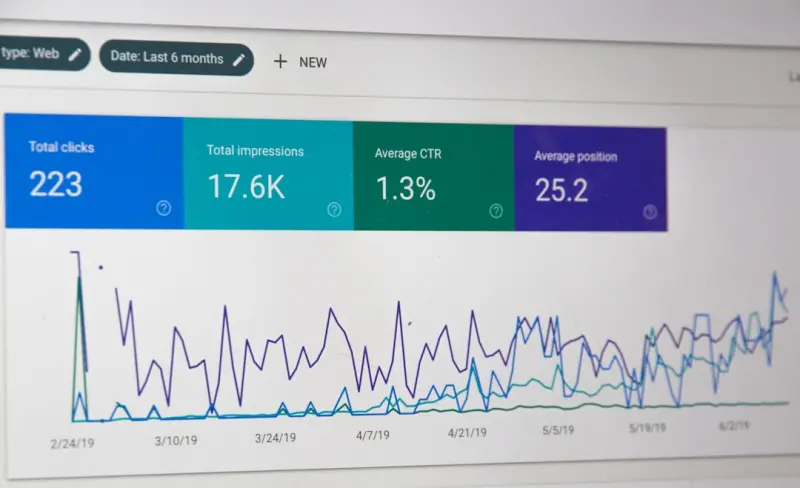
Unlocking Google’s Knowledge Graph: A SaaS Growth Engine You’ve Been Ignoring
Discover how to tap into Google’s Knowledge Graph with schema markup, partnership mapping, and ABM insights, turning hidden data into a powerful growth engine...Read More
Micro‑Immersion Travel: Turning Everyday Journeys into Mini Adventures
Learn to turn ordinary routines—commutes, lunch breaks, short weekend trips—into micro‑immersion travel adventures that boost creativity, wellbeing, and p...Read More

Google’s 2026 AI Wave: A Marketer’s Insider Perspective
Explore the 2026 Google AI wave with insider tactics, data strategies, and future‑focused tips that every marketer needs to stay ahead....Read More
0 Comments
Post Comment
You will need to Login or Register to comment on this post!