

Why Sound Matters More Than Light in a Productive Home
When most of us think about upgrading our living space, the first things that come to mind are paint colors, furniture layouts, or the latest smart‑home gadget. The auditory environment, however, is a far more potent—and often overlooked—driver of focus, relaxation, and overall wellbeing. I’ve spent years hopping between coffee‑shops, co‑working spaces, and my own home office, and the pattern is unmistakable: a room that feels “quiet” isn’t just silent; it’s acoustically balanced. This subtle shift from merely lowering volume to shaping sound can turn an ordinary dwelling into a high‑performance sanctuary.
Understanding the Basics of Home Acoustics
Before diving into actionable tips, let’s demystify a few core concepts:
- Reverberation time (RT60) – the time it takes for a sound to decay by 60 decibels. Shorter RT60 means speech is clearer, which is essential for virtual meetings.
- Sound absorption vs. diffusion – absorbers (like thick curtains or acoustic panels) soak up energy, while diffusers scatter it, preventing harsh echoes.
- Frequency spectrum – low frequencies (bass) tend to linger, whereas high frequencies (treble) dissipate faster. A balanced spectrum feels “warm” rather than “tinny.”
In a typical open‑plan home, hard surfaces such as tile floors, glass doors, and bare walls amplify reflections. This creates a cocktail of background noise that competes with the voice of a Zoom call or the subtle rustle of a page turning. By managing these reflections, you gain control over the room’s acoustic signature.
Step‑by‑Step Guide to an Acoustic‑Friendly Home
Below is a practical, no‑budget‑breakers roadmap to transform any room into a sound‑smart environment.
1. Conduct a Quick “Sound Sweep”
Close the door, turn off all electronics, and listen. Do you hear a faint hum from the refrigerator, or is the sound of traffic seeping through the windows? Identifying the main culprits helps you prioritize interventions.
2. Seal Gaps and Add Weatherstripping
Even the smallest cracks around windows and doors act as acoustic highways for outside noise. Applying weatherstripping not only improves energy efficiency but also reduces sound infiltration. It’s a win‑win for comfort and utility bills.
3. Introduce Soft, Textured Surfaces
Soft furnishings are natural sound absorbers. Think plush rugs, oversized bean bags, and heavy drapery. If you’re hesitant to commit to permanent changes, temporary acoustic panels—often sold as decorative canvas prints—can be hung like artwork.
4. Leverage Bookshelves as Diffusers
Full, irregularly spaced bookshelves scatter sound waves, breaking up standing waves that cause echo. Arrange books both horizontally and vertically for best effect. Adding a few decorative items (vases, small plants) adds visual interest while enhancing diffusion.
5. Optimize Your Home Office Layout
Position your desk away from reflective surfaces. A simple trick is to place a tall, padded screen or a folding room divider between your workstation and a large glass door. This creates a “quiet bubble” that minimizes echo without sacrificing natural light.
6. Install a “Sound Blanket” on the Ceiling
Acoustic ceiling tiles are often perceived as industrial, but modern options mimic wood or fabric finishes. A single tile above your primary work zone can cut reverberation dramatically.
7. Use White‑Noise or Nature Sound Machines
When external noise can’t be fully blocked, a low‑level white‑noise generator can mask intrusive sounds. Choose a device with a subtle, natural tone—like distant rain or rustling leaves—to avoid adding digital clutter to your auditory space.
8. Embrace Biophilic Design for Natural Dampening
Plants aren’t just décor; they absorb sound, especially larger leafy varieties. A few strategically placed indoor trees (such as a fiddle‑leaf fig) can reduce ambient noise while boosting air quality.
9. Upgrade Your Window Treatments
Heavy, layered curtains act as both light blockers and acoustic shields. Look for fabrics with a high “STC rating” (Sound Transmission Class) if you’re serious about noise reduction.
10. Test, Tweak, and Iterate
After implementing changes, revisit the “sound sweep.” You’ll likely notice a quieter, more focused environment. If certain frequencies still dominate (e.g., a humming HVAC system), consider targeted solutions like a duct liner or a mini‑ventilated acoustic panel.
Beyond Quiet: Using Sound to Influence Mood
Acoustics isn’t just about silence; it’s about shaping the quality of sound. Here are two advanced strategies for mood‑setting:
- Dynamic Sound Zones – Install a multi‑room speaker system that can play different playlists based on the room’s purpose. Soft jazz in the kitchen while cooking, ambient drones in the meditation nook, and focus‑enhancing binaural beats in the office.
- Resonant Materials – Materials like cork or reclaimed wood resonate at frequencies that feel warm and grounding. Incorporating them into flooring or wall panels adds a subtle, comforting hum that can reduce stress.
Case Study: Transforming a Small Apartment into a Productivity Hub
One of my clients lives in a compact studio downtown. The challenges were obvious: thin walls, a bustling street, and a layout that forced the work area to share space with a sleeping zone. By applying the steps above, we achieved the following:
- Added a heavy, floor‑to‑ceiling curtain on the street‑facing wall, reducing external traffic noise by 12 dB.
- Placed a tall bookcase with a mix of books and potted plants opposite the bed, cutting reverberation time from 1.6 seconds to 0.9 seconds.
- Installed a low‑profile acoustic panel shaped like a piece of abstract art above the desk, blending function with aesthetics.
The result? The client reported a 45 % increase in perceived focus during work hours and a more restful sleep pattern, thanks to the acoustic separation between the work and rest zones.
Linking Home Comfort with Digital Efficiency
Even though this article lives on a platform devoted to SaaS and tech insights, the principles of optimizing an environment for performance are universal. A quiet, well‑balanced acoustic space can enhance the effectiveness of the very tools we rely on—video conferencing, AI assistants, and cloud‑based collaboration platforms. If you’re interested in broader strategies for aligning your home’s energy flow with productivity, check out home energy hacks that boost everyday bliss and the minimalist approach outlined in tiny home tweaks for big comfort. Both pieces explore complementary angles—one on energy, the other on spatial efficiency—that dovetail nicely with acoustic upgrades.
Future‑Proofing Your Home’s Acoustic Landscape
Just as SaaS products require ongoing iteration, so does your living environment. As smart‑home ecosystems grow, expect new devices that can measure sound levels in real time and automatically adjust curtains, speakers, or acoustic panels to maintain an optimal soundscape. Planning for modular, easily replaceable acoustic elements now ensures you won’t need a full remodel when these innovations arrive.
Final Thoughts
Sound is the invisible architecture of a home. By treating it with the same intentionality we give to lighting or furniture, you create spaces that nurture focus, calm, and creativity. Start small—seal a window, add a rug, rearrange a bookshelf—and listen to the difference. Over time, those incremental steps compound into a sanctuary where productivity thrives and stress melts away.

Robert Mathews is a professional content marketer and freelancer for many SEO agencies. In his spare time he likes to play video games, get outdoors and enjoy time with his family and friends .
Related Posts

Seasonal Home Swaps to Refresh Your Space
Learn how to use simple, budget‑friendly seasonal swaps—adjusting colors, textures, lighting, an... Read More

Elevate Everyday Living: Fresh Home Hacks for a Calmer, More Inspired Space
Explore low‑cost, high‑impact home upgrades that transform light, sound, and space into a person... Read More
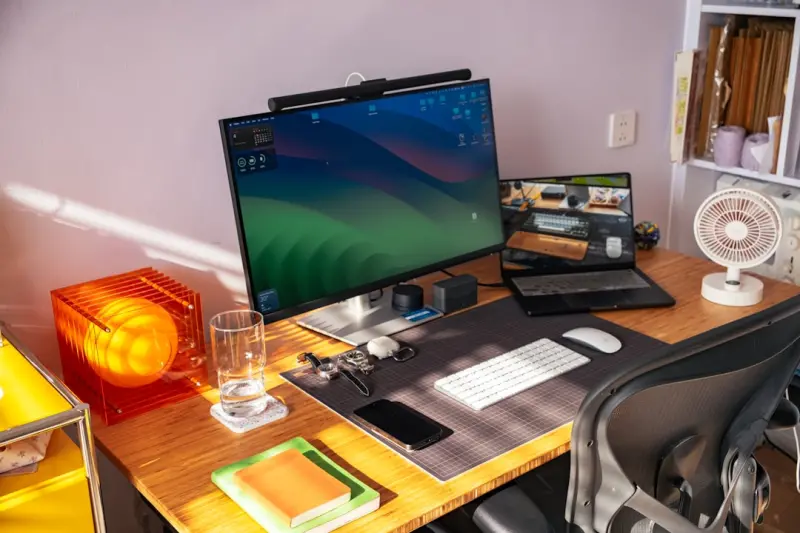
Build a Home Office Oasis That Boosts Focus and Calm
Learn how to design a home office that fuels focus and well‑being using strategic layout, lighting... Read More
Top Posts

Why Google’s 2026 AI Wave Is the Game‑Changer Marketers Can’t Ignore
In 2026 Google’s AI surge is rewriting the rules of digital marketing. I break down the most impactful changes and share actionable steps to turn the wave int...Read More
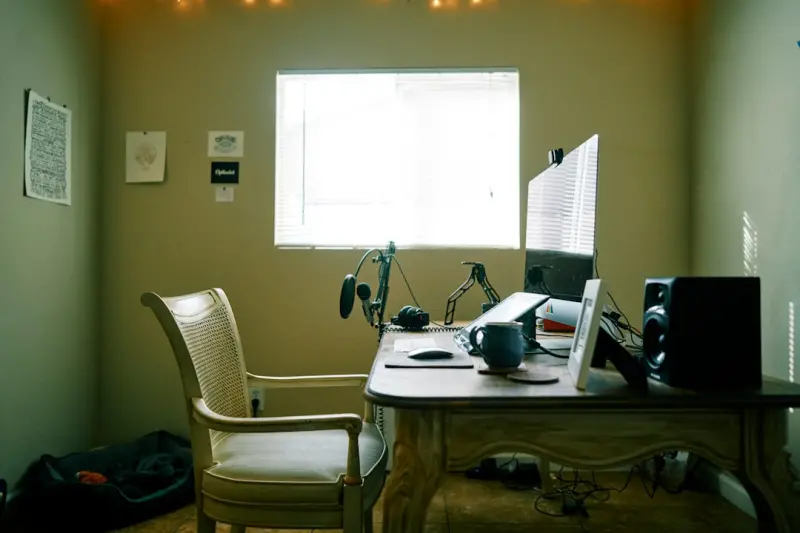
Soundproof Your Home Office Without Breaking the Bank
Discover practical, low‑cost methods to seal gaps, add mass, and absorb sound, turning any noisy corner into a calm, professional home office....Read More

Riding the 2026 Google AI Wave: Insider Strategies for Marketers
A deep dive into Google’s 2026 AI evolution, offering insider tactics, measurement tips, and ethical best practices to future‑proof your marketing strategy....Read More

Cultural Immersion Playbooks: Turning Everyday Markets into Idea Factories
Learn how to turn everyday market observations into actionable business insights using a five‑step cultural immersion playbook, complete with real‑world exa...Read More
0 Comments
Post Comment
You will need to Login or Register to comment on this post!