

Why Chat Apps Are the New Front Door for Brands
When I first experimented with a brand‑level chatbot, I expected a modest boost in click‑throughs, but what unfolded was a full‑blown conversation ecosystem that reshaped how we think about acquisition. Messaging platforms have become the default entry point for many consumers, eclipsing traditional web portals because they live in the pocket, not just on a desktop. Users already trust the immediacy of a chat window, so when a brand slides into that space with genuine value, the interaction feels less like an advertisement and more like a helpful friend. This subtle shift from broadcast to dialogue unlocks a level of intimacy that static ads can’t match, turning casual browsers into engaged participants who are ready to act the moment the conversation aligns with their intent.
Designing Human‑Centric Chat Flows That Convert
My approach to chat design starts with a simple rule: treat the user as a person, not a data point. I map out the conversation like a story, with a clear beginning, a conflict that addresses a pain point, and a resolution that offers a tailored solution. Within those flows, I sprinkle short, snackable videos that demonstrate product benefits without demanding a full‑screen view—an approach inspired by the thriving Micro‑Video Communities movement. By embedding a 10‑second clip directly into a chat bubble, I keep the user’s attention where it belongs: on the dialogue, not on a separate tab. The key is to keep the language conversational, use quick‑reply buttons for frictionless navigation, and always provide an easy “talk to a human” escape hatch. This blend of automation and empathy builds trust faster than any static landing page ever could.
Leveraging AI as a Collaborative Partner in Conversations
Artificial intelligence is no longer a novelty; it’s the silent co‑pilot that helps us scale personal experiences. I rely on AI to surface the right product recommendation at the exact moment a user mentions a need, but I never let the machine speak for itself. By framing AI as a supportive teammate—much like the concepts explored in AI as a Collaborative Partner—I ensure the technology amplifies, not replaces, human judgment. For example, an AI‑driven sentiment analyzer can flag frustration early, prompting an immediate handoff to a live agent who can empathize and resolve the issue. This partnership creates a seamless experience where the brand feels both intelligent and caring, driving higher satisfaction scores without sacrificing efficiency.
Turning Privacy Into a Marketing Advantage
In a world where data breaches dominate headlines, I’ve found that transparency can be a competitive moat. Rather than hiding behind vague privacy policies, I openly share what data we collect, why we need it, and how it benefits the user’s experience. By giving customers granular control—such as letting them opt‑in to specific message types or delete their conversation history—we turn a potential liability into a trust‑building feature. This openness not only reduces friction during the consent stage but also encourages higher engagement rates, because users feel respected and valued. The result is a virtuous cycle: more trust leads to richer data, which in turn fuels even more personalized and effective conversations.
Measuring Success Beyond Simple Click‑Throughs
Traditional metrics like click‑through rates only tell part of the story; in chat, the real pulse is measured by conversation quality. I track average response time, conversation length, and the ratio of automated replies to human handoffs to gauge efficiency and satisfaction. Net promoter score (NPS) collected directly in the chat after a purchase offers real‑time feedback that’s far more actionable than post‑purchase surveys emailed weeks later. Additionally, I monitor “intent completion”—the percentage of chats that end with the user achieving their original goal, whether that’s booking a demo, redeeming a coupon, or simply finding an answer. By aligning these metrics with revenue outcomes, I can prove the ROI of conversational commerce in concrete terms.
Case Study: A Boutique Skincare Brand’s Chat‑Led Growth
One client I consulted—a boutique skincare line—was struggling to convert website visitors into repeat buyers. We introduced a personalized chat assistant that asked users about skin concerns, suggested a routine, and offered a limited‑time bundle discount. Within the first month, the brand saw a 37 % increase in average order value and a 22 % lift in repeat purchase frequency. The secret? The chat experience felt like a one‑on‑one consultation rather than a generic pop‑up, and the AI‑powered recommendation engine learned from each interaction to improve future suggestions. By tying the discount to a chat completion, we also reduced cart abandonment by 15 %, proving that conversational incentives can be a powerful lever for revenue.
Common Pitfalls and How to Avoid Them
Even the most well‑crafted chat strategy can stumble if you over‑automate or ignore the human element. I’ve seen brands deploy endless menu trees that frustrate users, leading to higher bounce rates and negative brand sentiment. To avoid this, keep the decision tree shallow—no more than three layers deep—and always provide a clear path to a live representative. Another mistake is using overly salesy language; instead, focus on solving a problem first, then naturally introduce the offer. Finally, don’t neglect post‑chat follow‑up. A well‑timed email summarizing the conversation and offering additional resources reinforces the brand’s commitment and keeps the relationship alive beyond the messenger window.
The Future of Conversational Commerce and Your Next Step
Looking ahead, I believe the convergence of voice‑enabled assistants, augmented reality, and conversational AI will create hyper‑immersive shopping experiences that blur the line between digital and physical. Brands that start mastering chat today will be ready to integrate these emerging formats without a steep learning curve. My recommendation for marketers ready to dive in is simple: audit your current messaging touchpoints, map out a human‑first conversation flow, and pilot a small‑scale chatbot that solves a single, high‑value problem. Measure the impact, iterate based on real‑time feedback, and expand gradually. In the fast‑moving world of digital marketing, conversation is the new conversion—listen, engage, and watch loyalty grow.

Karen Edwards is a seasoned freelance writer with a passion for all things furry, feathered, and scaled. With a dedicated focus on pets, she brings a wealth of knowledge and a keen eye for detail to her writing.
Related Posts
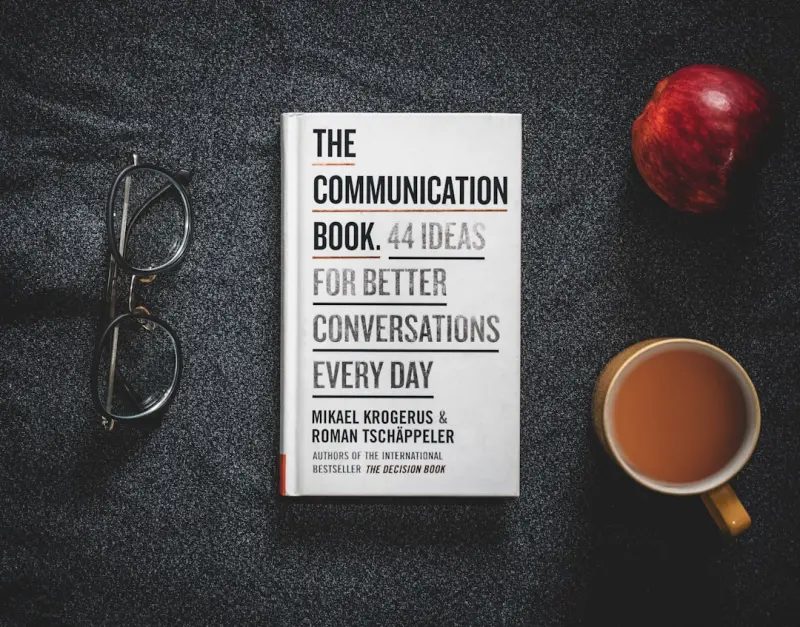
Conversational Commerce: The New Frontier for B2B Digital Marketing
A deep dive into conversational commerce reveals how chat‑based interactions, AI‑enhanced bots, ... Read More

Augmented Reality: The Next Growth Lever for SaaS Marketers
Explore why augmented reality is becoming a powerful tool for SaaS marketers, offering immersive pro... Read More

Predictive Intent Scoring: The Engine Behind Hyper‑Personalized B2B Campaigns
Predictive intent scoring turns raw behavior data into a dynamic, real‑time metric that fuels hype... Read More
Top Posts

Beyond the Airport: How Microadventures Rewire Our Sense of Home
Microadventures—short, local trips that fit into a busy schedule—are redefining travel. This post explores their psychological benefits, sustainable practic...Read More

Microbiome Mastery: Simple Hacks for a Healthier Gut
Discover actionable strategies to nurture your gut microbiome through fermented foods, diverse plant fibers, mindful eating windows, and wearable data, turning ...Read More

Narrative‑First Marketing: Turning Complex B2B Solutions into Compelling Stories
A practical guide to shifting from feature‑centric pitches to narrative‑first marketing, with actionable steps, real‑world examples, and new metrics to pr...Read More

Mastering Voice Search: Strategies to Elevate Your SEO Game
Discover proven techniques to dominate voice search results, from conversational content creation to schema markup, and stay ahead in the evolving SEO landscape...Read More
0 Comments
Post Comment
You will need to Login or Register to comment on this post!