
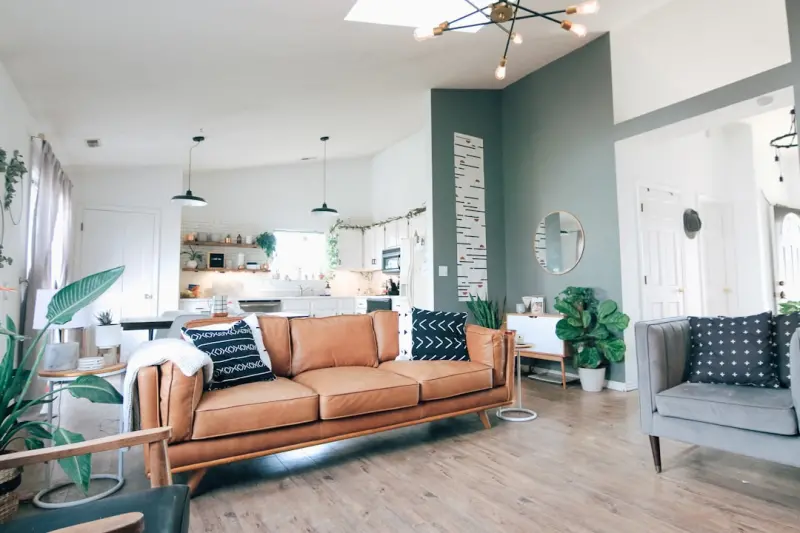
Why Multi‑Functional Furniture Is a Game‑Changer
In the age of compact living, every square foot feels like premium real estate, and the pieces you choose can either squander that space or amplify its potential. Multi‑functional furniture does exactly the latter, turning a single item into a bedroom, office, and storage hub without the visual clutter that typical setups create. By embracing this approach, you not only free up floor area but also invite a sense of intentional design that feels both stylish and purposeful.
Assessing Your Lifestyle Needs Before You Buy
Before you start hunting for a sofa‑bed that doubles as a bookshelf, take a moment to map out the daily rhythms that dominate your home—work‑from‑home hours, family gatherings, and quiet evenings. Understanding whether you need a hidden desk, a fold‑out dining table, or a storage ottoman helps you target pieces that truly serve multiple roles, preventing the temptation to accumulate items that later become “just there.” This intentional audit ensures every purchase adds measurable value to your routine.
Choosing Pieces That Seamlessly Transition
A well‑designed convertible couch should glide from lounging to sleeping without a clunky mechanism that rattles each night, while a wall‑mounted desk should fold away cleanly to keep the room airy when not in use. Look for furniture built with sturdy hinges, smooth glides, and discreet hardware that whispers elegance rather than shouting “DIY project.” When the transformation feels effortless, you’ll actually use the feature, reinforcing the space‑saving promise you sought.
DIY Upgrades for Budget‑Friendly Flexibility
If buying high‑end convertible pieces feels out of reach, consider a simple DIY makeover: an old chest can become a coffee table with hidden drawers, or a set of sturdy crates can evolve into a modular seating arrangement. Adding casters to a sturdy bench turns it into a mobile storage unit, while a fold‑down plywood panel becomes an instant desk with a few brackets. These low‑cost tweaks let you experiment with functionality without committing to permanent, pricey fixtures.
Integrating Storage Without Sacrificing Style
One of the biggest challenges in small homes is hiding the clutter that inevitably accumulates; the solution lies in furniture that stores as it serves. A platform bed with built‑in drawers eliminates the need for a separate dresser, while an upholstered bench with a lift‑top hides blankets, magazines, and toys. Pairing these pieces with a neutral palette and clean lines lets the room feel airy, while the hidden compartments keep your belongings out of sight yet easily accessible.
Creating Visual Harmony Through Cohesive Design
When every item performs multiple roles, it’s tempting to over‑decorate each piece, but restraint is key to maintaining a calm environment. Choose a unifying material—such as light‑colored wood or matte metal—and repeat it across different furniture, from a folding desk to a storage ottoman. This repetition creates a visual thread that ties the room together, allowing each multi‑functional element to shine without competing for attention.
Future‑Proofing Your Space for Changing Needs
Life is fluid; a home office today might become a nursery tomorrow, so invest in furniture that can adapt alongside you. Modular shelving systems that expand or contract, and sectional sofas with interchangeable sections, provide the flexibility to reconfigure rooms as your family grows or your work habits shift. By selecting pieces with modular components, you safeguard your investment against the inevitable changes that come with time.
Quick Wins for Immediate Impact
If you’re looking for a fast, noticeable upgrade, start with a quick home maintenance trick like swapping out heavy drapes for sleek blinds that double as privacy screens and storage pockets. Pair this with a few energy‑saving habits—like using a programmable thermostat—to reduce utility costs while you enjoy the newfound space. Small, thoughtful adjustments compound into a home that feels larger, smarter, and more inviting.
Maintaining Functionality Over Time
The beauty of multi‑functional furniture lies in its durability, but regular care ensures those mechanisms stay smooth and reliable. Lubricate hinges quarterly, tighten any loose screws, and rotate cushions to prevent uneven wear. By treating each piece as both a decorative element and a piece of engineering, you prolong its lifespan, keep the aesthetic fresh, and continue to reap the space‑saving benefits for years to come.

In the world of freelance writing, where creativity and adaptability are paramount, Michelle Fisher stands out as a dedicated and versatile professional. With a passion for crafting compelling narratives and a keen eye for detail, Michelle has established herself as a trusted voice.
Related Posts

DIY Fragrance Zones: Turn Any Room into a Sanctuary
Discover step‑by‑step DIY fragrance zones that transform each room’s atmosphere with natural s... Read More

Creating a Focus‑Friendly Home Office Nook That Boosts Productivity
Learn how to turn a small, overlooked corner into a high‑impact home office nook using strategic l... Read More
The Ultimate Kitchen Command Center: Streamline Meal Prep and Reduce Clutter
Creating a kitchen command center transforms your cooking space into a well‑organized hub, saving ... Read More
Top Posts

The Art of Travel Minimalism: How Light Packing Boosts Business Performance
Travel minimalism isn’t just about packing fewer items; it’s a strategic mindset that frees mental bandwidth, reduces stress, and enhances performance on bu...Read More

Why Consistent Brand Voice Is the Hidden Engine of Digital Success
A unified brand voice cuts through digital noise, strengthens SEO, and builds lasting trust. Learn how to audit, craft, and measure voice consistency for unstop...Read More

Zero‑Party Data: The B2B Marketer’s Secret Weapon
Zero‑party data, the information customers willingly share, is reshaping B2B digital marketing. Learn practical tactics, integration tips, and measurable outc...Read More

Hidden Paths: Crafting Authentic Journeys Beyond the Tourist Radar
Dive into the untapped side of travel: night markets, micro‑adventures, sustainable journeys, smart gear, and pop‑up retreats that let you experience destin...Read More
0 Comments
Post Comment
You will need to Login or Register to comment on this post!