
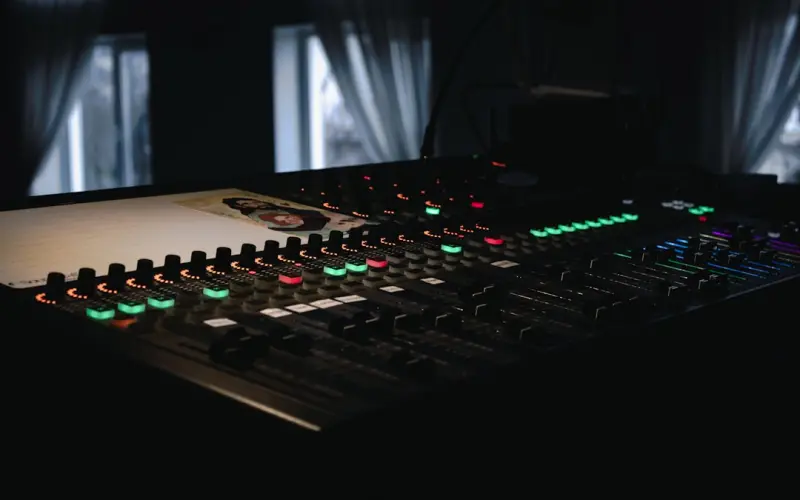
When the glow of a phone screen bleeds into the bedroom, the line between day and night blurs. The result? A silent epidemic of sleep deprivation that most of us accept as “just the way things are.” I’ve spent the last decade navigating the crossroads of technology and well‑being, and I’ve learned that reclaiming restorative sleep isn’t about abandoning gadgets—it’s about redesigning the night‑time experience with intention.
Why Screens Sabotage Sleep
The science is crystal clear: blue‑light wavelengths suppress melatonin, the hormone that signals to our brains that it’s time to wind down. But the problem runs deeper than photons. Every notification, every scroll, triggers a dopamine surge that keeps the brain in a state of alertness. Over time, this creates a feedback loop where the mind craves the next hit of digital stimulation, making it harder to transition into the restful phases of sleep.
Re‑Engineering Your Evening Routine
The key is to treat the evening like a pre‑flight checklist. Each item on the list should reduce cognitive load, dim visual stimuli, and signal to your nervous system that it’s safe to relax. Below is a step‑by‑step protocol I’ve refined through trial and error.
- Set a “Digital Sunset.” Choose a non‑negotiable cut‑off time—ideally two hours before you plan to sleep. At this point, switch all devices to “night mode” or use a blue‑light filter app. The goal is to lower the intensity of short‑wavelength light without sacrificing functionality.
- Transition to Ambient Lighting. Swap harsh overhead LEDs for warm, low‑intensity bulbs. A dimmable lamp with a color temperature of 2,700 K or lower mimics the natural sunset and encourages melatonin production. For inspiration, see the healthy home lighting tips we’ve shared in a recent post.
- Introduce a “Screen‑Free Zone.” Designate your bed as a no‑device zone. If you need a phone for an alarm, place it across the room. This simple spatial separation reduces the temptation to scroll and reinforces the mental association of the bedroom with sleep.
- Engage in a Low‑Tech Wind‑Down. Choose activities that lower heart rate and cortisol levels: light reading (paper‑back or e‑ink), gentle stretching, or a short meditation. Avoid high‑intensity podcasts or thrilling TV series that can spike adrenaline.
- Leverage Aromatherapy. Scents like lavender, chamomile, or sandalwood have been shown to activate the parasympathetic nervous system. A few drops on a diffuser can create an olfactory cue that tells your brain “it’s time to rest.”
- Optimize Your Sleep Environment. Keep the bedroom cool (around 65 °F/18 °C), quiet, and free of clutter. If outside noise is unavoidable, consider a white‑noise machine or a fan to mask disruptions.
The Power of a “Digital Wind‑Down” Playlist
Music is a surprisingly potent sleep aid, especially when curated with intention. Opt for instrumental tracks with a tempo under 60 beats per minute—think classical piano, ambient synths, or nature recordings. The rhythm aligns with the resting heart rate, coaxing the nervous system into a state of calm. I personally maintain a rotating playlist that evolves with the seasons, ensuring the auditory backdrop never feels stale.
Nutrition: Fuel for a Restful Night
What you eat before bedtime can either support or sabotage your sleep architecture. Here are evidence‑backed guidelines:
- Protein‑Rich Snacks. A small portion of cottage cheese, Greek yogurt, or a handful of almonds supplies tryptophan, an amino acid that the brain converts to serotonin and subsequently melatonin.
- Complex Carbohydrates. A slice of whole‑grain toast or a bowl of oatmeal can accelerate tryptophan’s entry into the brain, enhancing its sleep‑promoting effects.
- Limit Stimulants. Caffeine has a half‑life of up to 12 hours, so the safest rule is to avoid it after mid‑afternoon. Alcohol may make you drowsy initially, but it fragments REM sleep and reduces overall sleep quality.
- Stay Hydrated—But Not Too Much. A glass of water is fine, but avoid large volumes that will likely wake you for bathroom trips.
Technology as an Ally, Not an Enemy
Not all tech is detrimental to sleep. Smart devices can provide actionable data that helps you fine‑tune your habits. Here are three tools I trust:
- Sleep Trackers. Wearables that monitor heart rate variability, movement, and ambient noise give you a granular view of sleep stages. Use the data to identify patterns—perhaps you’re tossing more on nights when you binge‑watch late.
- Ambient Light Controllers. Automated systems that dim lights gradually as bedtime approaches simulate a natural sunset, easing the transition.
- App‑Based Meditation Guides. Guided breathing or body‑scan sessions can be set to start automatically at your chosen “digital sunset,” reinforcing the wind‑down routine.
When Sleep Issues Persist: Knowing When to Seek Help
Occasional insomnia is normal, but chronic sleep disturbances can signal underlying health conditions—sleep apnea, restless leg syndrome, or mood disorders. If you’ve tried the strategies above for four weeks and still struggle to fall asleep or stay asleep, consult a sleep specialist. They may recommend a polysomnography study or behavioral therapy for insomnia (CBT‑I), which has a strong evidence base for long‑term success.
Integrating Sleep into a Holistic Health Strategy
Sleep doesn’t exist in a vacuum. It intertwines with physical activity, mental resilience, and overall lifestyle design. In a previous article I explored the concept of rebooting your health by aligning daily habits with your body’s natural rhythms. Here’s how you can stitch sleep into that broader framework:
- Morning Sunlight Exposure. Get at least 10 minutes of natural light within the first hour of waking. This reinforces circadian cues, making the evening wind‑down more effective.
- Movement Timing. Schedule vigorous workouts earlier in the day. Intense exercise too close to bedtime can elevate core temperature and cortisol, delaying sleep onset.
- Mindful Journaling. A five‑minute reflection on the day’s wins and challenges can unload mental chatter, reducing the likelihood of rumination when you lie down.
Putting It All Together: A Sample Night‑Time Blueprint
Below is a concrete schedule that integrates the recommendations above. Feel free to adjust the timings to fit your personal and professional commitments.
- 7:00 PM – Digital Sunset. Activate night mode on all devices, enable blue‑light filters, and begin winding down.
- 7:15 PM – Ambient Light Shift. Dim overhead lights to a warm glow; turn on a scented diffuser with lavender.
- 7:30 PM – Light Snack. Enjoy Greek yogurt with a drizzle of honey and a sprinkle of almonds.
- 7:45 PM – Low‑Tech Activity. Read a paperback or practice gentle yoga poses for 10 minutes.
- 8:00 PM – Meditation. Use a guided meditation app set to “Sleep” mode for a 10‑minute body scan.
- 8:15 PM – Bedtime Prep. Brush teeth, set the alarm across the room, and ensure the bedroom is cool and quiet.
- 8:30 PM – Lights Out. Slip under the covers, let the soft music playlist play, and breathe slowly for a minute before drifting off.
Consistency is the secret sauce. Even if you can’t fall asleep immediately, adhering to the ritual trains your brain to associate these cues with rest, eventually shortening sleep latency.
Final Thoughts: Reclaiming the Night
In a world that glorifies constant connectivity, the act of turning off is radical. By redesigning the evening environment, curating intentional rituals, and leveraging technology wisely, you can transform the night from a battlefield of notifications into a sanctuary of regeneration. The payoff isn’t just more hours of sleep—it’s sharper focus, better mood, and a healthier body that’s ready to meet the challenges of tomorrow.

Dale Peterson is a freelance writer with a passion for technology, travel, law and personal finance. With 10 years of experience crafting compelling and informative content, he's dedicated to delivering high-quality writing for Blogging Fusion that engages audiences and achieves specific goals.
Related Posts
Digital Sleep Optimization: How Tech is Redefining Rest
Explore the latest sleep technologies—from AI coaches to smart lighting—and learn practical step... Read More
Micro‑Breaks & Biofeedback: Boosting Workplace Health in SaaS
A deep dive into how SaaS teams can leverage wearable biofeedback and AI‑guided micro‑breaks to ... Read More

Breathing Back Into Balance: Harnessing the Power of Your Inhale for Everyday Health
Explore the transformative impact of conscious breathing on stress, sleep, and overall health. Pract... Read More
Top Posts

Vertical Victory: Transforming Walls into Smart Storage Solutions
Learn how to turn underutilized walls into functional storage hubs with shelves, hooks, and vertical gardens, boosting organization and style in your home....Read More

Rewiring Your Brain: The Surprising Health Benefits of Digital Minimalism
Digital minimalism isn’t about abandoning tech—it’s about curating it to protect brain health. Learn why constant connectivity harms cognition and how int...Read More

Google Workspace’s AI‑Driven Leap: What B2B Teams Must Embrace Today
Google’s AI‑infused Workspace is reshaping B2B collaboration. This post dives into real‑world impact, strategic benefits, implementation steps, and future...Read More

Structured Data: The SaaS SEO Game‑Changer
Learn why structured data is essential for SaaS SEO, with a step‑by‑step guide, advanced tactics, and a real‑world case study that shows a 45% lift in org...Read More
0 Comments
Post Comment
You will need to Login or Register to comment on this post!