

When I first moved into my new place, I was overwhelmed by the sheer amount of space‑making advice floating around the internet. From “quiet corners” to “seasonal home resets,” the advice felt more like a checklist than a personal journey. Over time I realized the most transformative upgrades weren’t the flashy gadgets or the trendy paint colors—they were the subtle, nature‑inspired changes that turned a house into a living, breathing sanctuary. In this post I’ll walk you through the core principles of biophilic design and share practical, budget‑friendly ways to weave the outdoors into every room, boost your wellbeing, and even sharpen your focus when you’re working from home.
What Is Biophilic Design, and Why Does It Matter?
Biophilia, a term coined by biologist E.O. Wilson, describes humanity’s innate affinity for nature. Translating that concept into interior design means intentionally integrating natural elements—light, plants, textures, and organic forms—into built environments. The research is compelling: studies show that exposure to natural light, greenery, and natural materials can lower stress hormones, improve mood, and even enhance cognitive performance.
For someone who spends a good chunk of the day in front of a screen, those benefits are more than a nice‑to‑have; they’re a productivity hack. The trick is to embed nature in ways that feel effortless and authentic, not like you’re trying too hard to impress Instagram followers.
Start with Light: Harness the Sun’s Free Energy
Natural light is the cornerstone of biophilic design. It regulates circadian rhythms, boosts vitamin D, and reduces eye strain. Here’s how to maximize it without turning your home into a greenhouse:
- Strategic window placement. If you have the freedom to rearrange furniture, keep pathways clear to let sunlight travel deeper into rooms. A low‑profile console or a slim bookshelf can act as a gentle reflector, bouncing light onto darker corners.
- Sheer curtains over blackout blinds. Sheer fabrics filter harsh glare while maintaining privacy. Choose linen or cotton in neutral tones to keep the visual weight light.
- Light‑enhancing accessories. Mirrors placed opposite windows can double the amount of sunlight reaching the room. Even a glossy, nature‑inspired artwork can serve the same purpose.
When you can’t rely on direct sunlight—think winter months or north‑facing apartments—layer your lighting with full‑spectrum bulbs that mimic daylight. Pair them with warm, dimmable LEDs for evenings to keep your circadian rhythm in sync.
Green Up: Plants That Thrive and Transform
Plants are the most obvious biophilic element, but not all greens are created equal. Some are high‑maintenance, while others are practically indestructible. Below are three categories to consider, based on the amount of time you want to invest:
- Low‑maintenance heroes. Snake plants, ZZ plants, and pothos can survive weeks of neglect and still look vibrant. Perfect for a home office or a hallway where you might forget to water.
- Air‑purifying powerhouses. The peace lily, spider plant, and Boston fern have been shown to filter volatile organic compounds (VOCs). Place them in rooms where you spend the most time—your kitchen or living area—to improve air quality.
- Statement pieces. A fiddle‑leaf fig or a large monstera can become a focal point, adding drama and height to a room. Just remember they need brighter light and consistent watering.
To keep your plant routine simple, group plants with similar water needs together. Use a tray with pebbles and water at the bottom; the wicking action will keep the soil consistently moist without over‑watering.
Texture Talk: Bring the Outdoors In Without the Dirt
Nature isn’t just green; it’s a symphony of textures—rough bark, smooth stones, soft moss. You can replicate this sensory richness through materials and fabrics:
- Wooden accents. A reclaimed wood coffee table, bamboo blinds, or walnut picture frames add warmth. If you’re on a budget, consider a DIY pallet coffee table—sand, stain, and you’ve got a rustic centerpiece.
- Stone and ceramic. A marble countertop or a ceramic vase with a raw, unglazed finish evokes natural mineral qualities.
- Natural fibers. Swap synthetic rugs for jute, sisal, or wool. Throw pillows in linen or hemp add subtle texture without overwhelming the space.
These tactile elements not only look inviting but also engage your sense of touch, grounding you in the present moment—something especially valuable when you’re juggling video calls and deadlines.
Soundscapes: Quiet Isn’t the Only Goal
While many home‑improvement posts focus on quiet corners, the broader idea is to craft a soothing acoustic environment. Here’s how to balance calm with a touch of natural ambience:
- Soft flooring. Cork, rubber, or thick rugs absorb footsteps and reduce echo, creating a muffled, comforting sound underfoot.
- White‑noise alternatives. A small tabletop water fountain or a Bluetooth speaker playing gentle rain or forest sounds can mask distracting city noise.
- Strategic placement of soft furnishings. Overstuffed chairs, heavy curtains, and plush throws act as acoustic dampeners, making your space feel cozier.
Functional Flora: Kitchen & Bathroom Greenery
Plants can do more than look pretty; they can serve functional roles. In the kitchen, a small herb garden on the windowsill—think basil, mint, and thyme—provides fresh flavor while adding a dash of green. In the bathroom, a pothos or an orchid thrives in humidity, turning a utilitarian space into a mini‑jungle.
Pro tip: Use mason jars or repurposed glass containers as planters. They’re cheap, stylish, and you can line them with pebbles for drainage.
Biophilic Tech: Smart Tools That Enhance Nature
Technology and nature don’t have to be at odds. Smart home devices can amplify the biophilic experience without intruding on the aesthetic:
- Automated blinds. Schedule them to open at sunrise and close at sunset, syncing your indoor light exposure with natural daylight cycles.
- Smart humidifiers. Maintain optimal humidity for both plant health and human comfort—ideally around 45%.
- Plant care apps. Apps that send watering reminders based on species and local climate keep even the most forgetful caretaker on track.
Integrating Biophilic Principles Into Small Spaces
Living in a studio or a tiny apartment? No problem. The key is to layer nature in subtle, space‑saving ways:
- Vertical gardens. Wall‑mounted planters or hanging pockets turn empty walls into living art without using floor space.
- Multipurpose furniture. A bench with built‑in storage that also houses a small planter adds function and greenery in one piece. Check out some creative ideas in Multi‑Purpose Home Hacks.
- Mirrored surfaces. Mirrors reflect both light and plants, making the room feel larger and brighter.
Seasonal Refresh: Rotate Green Elements Throughout the Year
Just as you might change out decorative pillows seasonally, you can rotate plant varieties to keep the environment fresh. In spring, opt for bright, flowering species like African violets. Summer calls for lush, tropical foliage. In autumn, switch to deep‑green or burgundy plants like the rubber plant. Winter? Embrace hardy succulents that need minimal light.
This rotating approach not only adds visual interest but also aligns with the seasonal home reset philosophy, keeping your space dynamic without a costly overhaul.
Budget‑Friendly Biophilic Upgrades
Transforming your home doesn’t have to drain your wallet. Here are three cost‑effective strategies:
- DIY planters. Use reclaimed wood pallets, old tin cans, or even coffee mugs as unique containers.
- Nature‑themed art. Print high‑resolution photographs of forests, oceans, or mountains and frame them yourself. The visual connection to nature is powerful, even without actual greenery.
- Swap out synthetic décor. Replace plastic trays with woven baskets, and swap synthetic cushions for those made from organic cotton or hemp.
Measuring Success: How to Know Your Space Is Working for You
After implementing these changes, take a moment to assess the impact. Ask yourself:
- Do I feel more relaxed when I walk into the room?
- Has my focus improved during home‑office hours?
- Am I noticing any differences in sleep quality or overall energy levels?
If the answers are mostly “yes,” you’ve successfully harnessed biophilic design. If not, experiment with adjustments—perhaps add a few more plants, increase natural light, or tweak your acoustic setup.
Final Thoughts: Making Nature a Habit, Not a Project
Biophilic design isn’t a one‑time makeover; it’s an ongoing relationship with your environment. By gradually introducing natural light, plants, textures, and sounds, you create a home that not only looks good but also supports your mental and physical health. The next time you’re scrolling through home‑improvement blogs, remember that the most impactful changes often come from simple, intentional tweaks rather than massive renovations.
Embrace the outdoors, let it seep into every corner, and watch your home transform from a mere shelter into a living sanctuary that nurtures your productivity, creativity, and wellbeing.

Paul Flynn is a versatile freelance writer equipped with a diverse skillset and a portfolio that reflects his wide-ranging interests and expertise. From crafting compelling website copy and engaging blog posts to delivering in-depth articles and meticulously researched reports, Flynn demonstrates a remarkable ability to adapt his writing style to suit various audiences and purposes.
Related Posts

Boost Your Home’s Comfort and Efficiency with Simple Science‑Backed Hacks
A comprehensive guide that uses everyday science to upgrade indoor air, light, sound, temperature zo... Read More
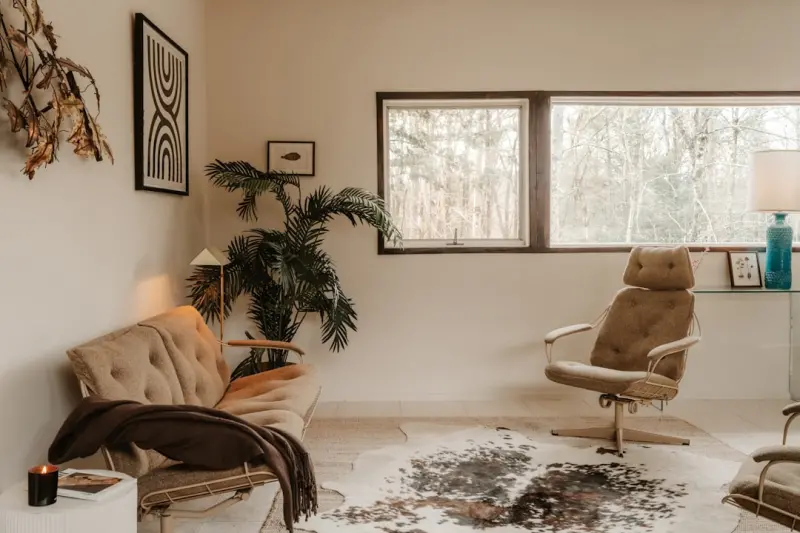
Seasonal Home Reset: Refresh Your Space Without a Full Renovation
Discover a practical seasonal reset guide that uses light, color, scent, and smart tweaks to transfo... Read More
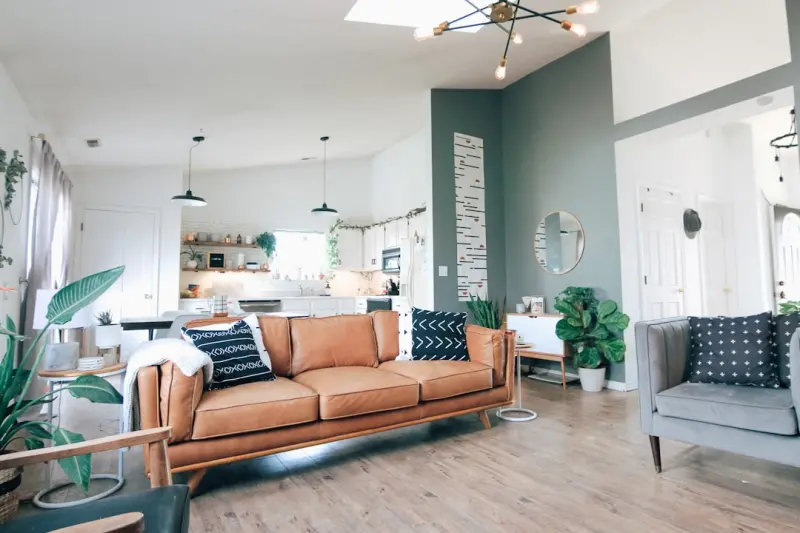
Designing a Sensory Sanctuary: How Sound, Light, and Aroma Transform Your Living Space
A step‑by‑step guide to turning any living space into a sensory sanctuary, blending soundscapes,... Read More
Top Posts

Brightening Your Home: Light, Air, and Simple Hacks for a Healthier Space
Learn how to transform any room with budget‑friendly tricks that boost natural light, enhance ventilation, and keep clutter at bay, creating a brighter, healt...Read More

When AI Becomes Your Personal Accountability Coach
Imagine an AI that nudges you toward your goals, tracks progress, and offers real‑time feedback—turning ambition into habit without the guilt of a human ove...Read More

Why a Digital Sunset Could Be Your Secret Weapon for Wellness
The digital sunset—a deliberate stop to all screen use each evening—helps reset circadian rhythms, lower cortisol, and improve sleep quality, leading to sha...Read More

AI as a Trust Broker: Reinventing Credibility in B2B SaaS
This article explores a fresh angle on AI—using it as a trust broker—to enhance credibility, meet regulatory demands, and drive revenue in B2B SaaS. It outl...Read More
0 Comments
Post Comment
You will need to Login or Register to comment on this post!