

Why Voice Search Is No Longer a Niche
In the past few years the rise of smart speakers, mobile assistants, and in‑car infotainment systems has turned voice search from a novelty into a dominant traffic source, and marketers who still treat it as a fringe experiment are watching their visibility erode faster than a forgotten podcast episode. Voice search SEO now accounts for a sizable slice of every industry’s organic demand, and the underlying algorithms have become sophisticated enough to understand context, intent, and even the speaker’s tone, meaning that the old rule‑book of exact‑match keywords is rapidly losing relevance.
Understanding the Conversational Shift
When a user speaks to an AI assistant, the query is framed like a natural conversation rather than a terse string of keywords, so search engines prioritize results that can answer “how,” “why,” and “what” questions in a human‑like manner; this shift forces brands to think beyond keyword density and focus on providing clear, concise, and context‑rich answers that feel like a dialogue with a knowledgeable friend. The conversational nature also means that search intent is often multi‑step, with users expecting a single result to satisfy a whole task—booking a reservation, checking the weather, or comparing product specs—so the content that wins must anticipate the next question before it’s even asked. Consequently, the traditional siloed approach to SEO (page‑by‑page optimization) must evolve into a holistic, topic‑cluster strategy that mirrors the way people actually think and speak.
Reinventing Keyword Research for Voice
Keyword research for voice begins with identifying long‑tail, question‑based phrases that reflect how people naturally ask for information; tools that surface “who,” “what,” “where,” “when,” “why,” and “how” queries are indispensable, as they reveal the conversational patterns that drive voice traffic. Instead of chasing high‑volume, short‑tail terms, marketers should prioritize clusters such as “what are the best eco‑friendly cleaning products for a small apartment?” or “how can I reduce my electricity bill in winter,” because these reflect the full‑sentence queries that voice assistants parse and match against authoritative answers. By mapping these questions to specific content assets, you create a network of interlinked pages that collectively satisfy the entire user journey, increasing the likelihood that a voice assistant will select your site as the definitive source.
Structuring Content for Direct Answers
To capture the coveted “position zero” slot that voice assistants frequently read aloud, content must be formatted for quick consumption: start each section with a succinct answer, follow with a brief explanation, and then expand with supporting details; this hierarchy mirrors the “answer‑first” approach that Google’s featured snippets favor. Implementing an FAQ schema—using <script type="application/ld+json"> blocks that enumerate questions and answers—signals to crawlers that the page is primed for voice delivery, while also allowing multiple related queries to be served from a single URL. Additionally, embedding concise, bullet‑point summaries and using natural language that mirrors how a person would speak (e.g., “You’ll need…” rather than “The user must”) increases the probability that the assistant will deem your content the most appropriate spoken response.
Technical Foundations That Speak Volumes
Even the most perfectly crafted answer will be ignored if the site fails basic technical expectations, because voice assistants prioritize fast, mobile‑friendly pages that load within a couple of seconds and present a clean, indexable markup; this means investing in accelerated mobile pages (AMP), leveraging lazy loading for images, and eliminating render‑blocking scripts that can sabotage load times. Moreover, a secure HTTPS environment and a well‑structured XML sitemap are non‑negotiable, as they provide the trust signals that voice platforms rely on when selecting authoritative sources. Finally, integrating structured data not only enhances visibility but also creates a richer semantic context that helps assistants understand the relationship between entities—think product specifications, business hours, and location data—allowing them to answer follow‑up questions without sending the user back to the website.
Personalization Through Zero‑Party Data
One of the most underutilized levers for voice SEO is the strategic use of zero‑party data, which gives brands direct insight into a consumer’s preferences, intent, and even the phrasing they use when speaking to assistants; by collecting this information voluntarily—through quizzes, preference centers, or conversational opt‑ins—you can tailor your content to match the exact language and context your audience employs. For example, if a segment of users indicates they prefer “eco‑friendly” over “green” in product searches, you can incorporate that terminology into your voice‑optimized copy, boosting relevance and the chance that the assistant will surface your answer. This data‑driven personalization not only improves rankings but also fosters trust, because users receive responses that feel uniquely suited to their needs.
Cross‑Channel Synergy with Conversational Commerce
Voice search does not exist in a vacuum; it is part of a broader ecosystem of conversational experiences that include chat apps, messaging platforms, and even social media bots. By aligning your voice SEO strategy with conversational commerce initiatives, you create a seamless handoff where a voice assistant can suggest a product, and the user can complete the purchase within a chat window or directly via voice, dramatically shortening the sales funnel. This integration requires consistent messaging, shared schema markup across channels, and a unified data layer that tracks the user’s journey from spoken query to final conversion, ensuring that each touchpoint reinforces the other and amplifies overall ROI.
Measuring Voice SEO Impact
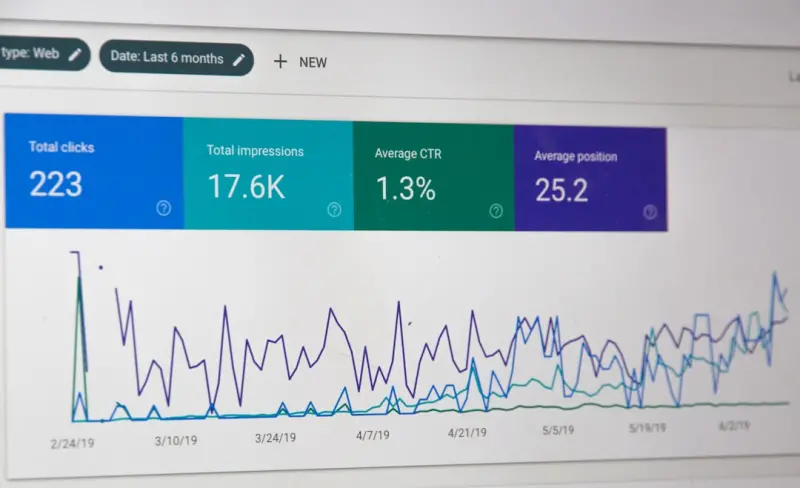
Traditional SEO metrics—organic clicks, bounce rate, and average session duration—only tell part of the story when evaluating voice performance; you need to supplement them with voice‑specific signals such as featured‑snippet impressions, query‑to‑answer match rates, and the frequency of “read‑aloud” engagements reported in platform analytics dashboards. Tools that capture conversational intent, like search console’s “Performance” report filtered for question‑type queries, provide a granular view of which phrases are driving spoken traffic and where content gaps remain. Additionally, incorporating insights from community‑first marketing can reveal how user‑generated content and social proof influence voice rankings, allowing you to fine‑tune your strategy based on real‑world feedback loops.
Looking Ahead: The Future of Voice‑First SEO
As AI assistants become more proactive—suggesting actions before users even ask—the line between search and command will blur, making the ability to anticipate user needs the ultimate competitive advantage; brands that invest now in conversational content, structured data, and zero‑party data will be poised to dominate the emerging voice‑first landscape. Emerging technologies such as multimodal search, which combines visual, auditory, and textual cues, will further amplify the importance of a cohesive, omnichannel approach, turning every piece of content into a potential spoken answer. By embracing these trends today, you not only secure higher rankings but also position your brand as a trusted, human‑like partner in the daily conversations that shape consumer decisions.

Shawn DesRochers is a certified Microsoft technician and Programmer with 30+ year's experience. He has written many reviews on computer related products, software, and SEO related topics. When he's not writing reviews he can be found at one of the Oldest Directories Online Business Directory USA which he is the CEO of.
Related Posts

Decoding Search Intent: A SaaS Founder’s Playbook for Ranking Higher
This post reveals a step‑by‑step framework for SaaS leaders to shift from keyword‑centric SEO ... Read More
Unlocking SEO Success with Visual Search and User‑Generated Video
Learn how to harness visual search and authentic user videos to dominate SERPs, improve rankings, an... Read More

Capturing Micro‑Moments: Real‑Time SEO for Instant Intent
Learn to dominate micro‑moments with actionable, real‑time SEO strategies that capture instant u... Read More
Top Posts

Bite‑Sized Adventures: Redefining Travel Through Hyperlocal Discovery
Travel is shifting from massive itineraries to bite‑sized adventures that focus on hyperlocal discovery, community immersion, and spontaneous storytelling, of...Read More

When the Edge Meets the Funnel: Harnessing Edge Computing for Real‑Time Digital Marketing
Edge computing brings processing closer to the user, slashing latency and enabling real‑time personalization. Learn how to redesign your marketing funnel, lev...Read More

Chat‑First Marketing: How Conversational Commerce is Redefining Sales
Explore how conversational commerce turns everyday messaging apps into powerful sales channels, boosting trust, personalization, and revenue for modern brands....Read More

Decentralized Identity: Reclaiming Control Online
Discover the power of decentralized identity, a self‑sovereign model that gives you control over your digital credentials, improves security, and transforms h...Read More
0 Comments
Post Comment
You will need to Login or Register to comment on this post!