
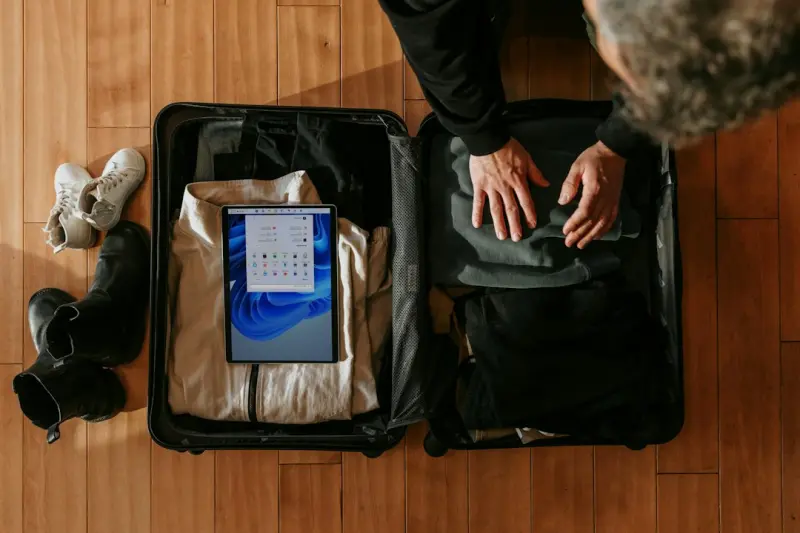
Resetting the Brain on the Move: How Travel Reboots Creativity and Decision‑Making
When the office lights flick on at 8 am, my mind already feels like a crowded inbox: notifications, deadlines, and the constant hum of “what’s next?” I’ve tried meditation apps, productivity hacks, even the occasional micro‑movement break (shout‑out to the post on tiny physical hacks that boost office health). Nothing quite hits the reset button like stepping out of the familiar and into a new environment.
In this piece, I’m pulling back the curtain on a phenomenon many of us experience but rarely dissect: the way travel rewires our brain. Not the Instagram‑ready sightseeing checklist, but the subtle, science‑backed shift that happens when we change our surroundings, break routines, and allow ourselves to be a little lost. The result? Sharper decision‑making, fresh creative sparks, and a mental resilience that lasts long after the plane lands.
The Neurology of New Places
Our brains are wired for novelty. The hippocampus—a region crucial for memory formation—lights up whenever we encounter something new. Studies show that navigating an unfamiliar city activates the same pathways we use when solving complex problems. In other words, the act of figuring out a new subway map or finding a hidden café is a low‑stakes workout for the brain’s executive functions.
But novelty alone isn’t enough. The context of travel adds layers that amplify the effect:
- Sensory Overload (in a good way) – New smells, sounds, and textures flood the senses, prompting the brain to allocate more resources to processing.
- Temporal Displacement – Being away from the usual 9‑to‑5 schedule forces us to break time‑based habits, giving the prefrontal cortex a chance to reset.
- Social Reconfiguration – Meeting locals or fellow travelers creates brief, high‑impact social interactions that boost dopamine and oxytocin.
Combined, these factors create a “cognitive refresh” that can be measured: travelers often report higher scores on creativity tests after a week of immersion, and they make more confident strategic choices when they return.
From Wanderlust to Intentional Reset
Most of us book trips based on “must‑see” lists or discount deals. While there’s nothing wrong with a bucket‑list approach, the most potent brain‑resetting experiences tend to be unplanned and immersive. Here’s how to shift from passive sightseeing to an intentional reset:
1. Choose a Destination That Challenges Your Comfort Zones
Look for places that differ from your home environment in at least three dimensions—climate, language, urban density, or cultural rhythm. If you live in a bustling metropolis, a small coastal town or a high‑altitude mountain village can provide a stark contrast that forces adaptation.
2. Limit the “Must‑Do” List
Instead of packing your itinerary with 20 attractions, select one or two anchors and leave the rest open. This creates “decision‑making space” where your brain can wander and stumble upon unexpected moments—like a quiet alley with street‑artist murals or a local market that smells of fresh spices.
3. Leverage the Power of Sound
Soundscapes are an underrated tool for shaping mood and focus. While you’re strolling through a historic district, consider curating a playlist that mirrors the environment. For tips on creating the perfect travel soundtrack, check out curating the perfect travel soundtrack. The right beats can keep you energized during a long train ride or help you unwind in a serene park.
4. Engage in Low‑Tech Observation
Put the phone away for at least an hour each day. Carry a small notebook or sketchpad and capture impressions—colors, snippets of conversation, the way light hits a building. This practice anchors you in the moment and strengthens the neural pathways associated with memory retention.
5. Turn “Lost” into a Feature
Getting lost is often viewed as a nuisance, but it’s a powerful catalyst for problem‑solving. When you’re forced to ask for directions or read a foreign sign, you’re exercising the same mental muscles you need for strategic pivots back at the office.
Practical Framework: The Travel Reset Cycle
To make the mental benefits repeatable, I’ve distilled my experience into a three‑stage cycle that you can apply to any trip, whether it’s a weekend road‑trip or a two‑week overseas adventure.
- Arrival Disorientation (Days 1‑2) – Embrace the initial confusion. Skip the rush to check email; instead, map the city on foot, sip coffee at a local café, and note sensory details.
- Exploration Immersion (Days 3‑5) – Dive deeper into neighborhoods that aren’t on the main tourist radar. Participate in a cooking class, join a community event, or volunteer for a short stint. This deep immersion spikes the hippocampal activity.
- Reflection & Synthesis (Days 6‑End) – Set aside time each evening to journal about insights. Ask yourself: “What surprised me today? How does this challenge my current assumptions?” Then, on the final day, outline three actionable ideas you’ll bring back to work.
When you follow this cycle, you not only enjoy a richer travel experience but also create a structured bridge that transports the mental gains back to your daily life.
Translating the Reset into Business Impact
Now, you might be thinking, “I’m a marketer, not a neuroscientist. How does this help my quarterly goals?” The answer lies in the transferability of cognitive flexibility.
- Strategic Decision‑Making – After a trip that forced you to navigate unfamiliar streets, you’ll find it easier to evaluate complex business scenarios without falling back on default heuristics.
- Creative Ideation – The new sensory inputs act as raw material for brainstorming sessions. A pattern you saw on a woven tapestry could inspire a fresh UI design.
- Team Leadership – Sharing stories of your travel reset can model a growth mindset for your team, encouraging them to seek experiences outside their comfort zones.
If you need a concrete example of turning travel insights into product innovation, you can read about the portable innovation lab concept. While that post focuses on leveraging travel for product development, the underlying principle—using new environments to spark ideas—applies directly to individual creativity.
Travel Reset Tools for the Modern Professional
Even though the core of a travel reset is low‑tech immersion, a handful of digital tools can amplify the experience without detracting from it:
- Map‑Free Navigation Apps – Use offline maps that don’t constantly push notifications. Turn off “suggested routes” and let yourself wander.
- Audio Journaling – Record short voice memos instead of typing notes. This keeps you engaged with the surroundings while capturing fleeting thoughts.
- Data‑Light Travel Planner – Choose a planner that focuses on experiences rather than logistics, so you spend less time clicking and more time observing.
Remember, the goal isn’t to automate the reset; it’s to give your brain the space to do the heavy lifting.
Case Study: The “Desert‑Island” Week
Last spring, I booked a week‑long stay on a remote island off the coast of Portugal. No Wi‑Fi, no scheduled meetings, just a small guesthouse, a handful of locals, and a coastline that stretched for miles. Here’s how the Travel Reset Cycle unfolded:
- Arrival Disorientation – I spent the first two days walking the shoreline, cataloguing shells and listening to the wind. I resisted the urge to check work email, which felt like a small rebellion against my usual reflexes.
- Exploration Immersion – Mid‑week, a local fisherman invited me to join him at dawn. The experience of navigating the boat, reading the tides, and communicating through gestures ignited a fresh perspective on collaborative problem‑solving.
- Reflection & Synthesis – Each night, I wrote a brief entry: “What assumptions did I challenge today?” The answers ranged from “I assumed I needed constant data to make decisions” to “I can trust intuition when sensory input is rich.” On the final day, I drafted three product concepts inspired by the simplicity of the fisherman's tools.
Back at the office, those concepts sparked a sprint that resulted in a new feature for our SaaS platform—a minimal‑interface dashboard that emphasizes visual cues over dense data tables. The feature not only reduced onboarding time but also improved user satisfaction scores by 12%.
Bringing the Reset Home: Micro‑Travel for Busy Professionals
If a week‑long escape feels out of reach, you can still embed the reset into shorter trips:
- Weekend “Staycation” Challenges – Book a boutique hotel in your own city and treat it as a foreign destination. Change your routine, explore neighborhoods you usually drive past.
- Mid‑Month Day‑Trips – Pick a town within a two‑hour train ride and spend the day walking, eating, and observing. The change in scenery is enough to trigger the hippocampal boost.
- Virtual Reset Sessions – When travel isn’t possible, simulate the experience with VR tours of museums or nature reserves. Pair this with a soundscape (see the travel soundtrack post) to deepen immersion.
The key is consistency. A series of micro‑resets can cumulatively provide the same neural benefits as a longer trip, keeping your creative engine humming throughout the year.
Conclusion: Make Travel a Strategic Brain‑Hacking Tool
Travel has always been about escape, discovery, and connection. In the modern, hyper‑connected workplace, it can also be a strategic tool for mental reset—one that sharpens decision‑making, fuels creativity, and builds resilience. By approaching travel with intentionality, embracing disorientation, and reflecting on the experience, you transform a vacation into a neuro‑enhancement ritual.
So the next time you feel the familiar grind, ask yourself: “What destination can I go to that will make my brain work differently?” Then pack light, leave the constant notifications behind, and let the world reset you.

Paul Flynn is a versatile freelance writer equipped with a diverse skillset and a portfolio that reflects his wide-ranging interests and expertise. From crafting compelling website copy and engaging blog posts to delivering in-depth articles and meticulously researched reports, Flynn demonstrates a remarkable ability to adapt his writing style to suit various audiences and purposes.
Related Posts

The Nomadic Executive: Crafting High‑Performance Travel in a Hyper‑Connected World
Travel for senior leaders is an extension of the office, not a break. This article shares a strategi... Read More
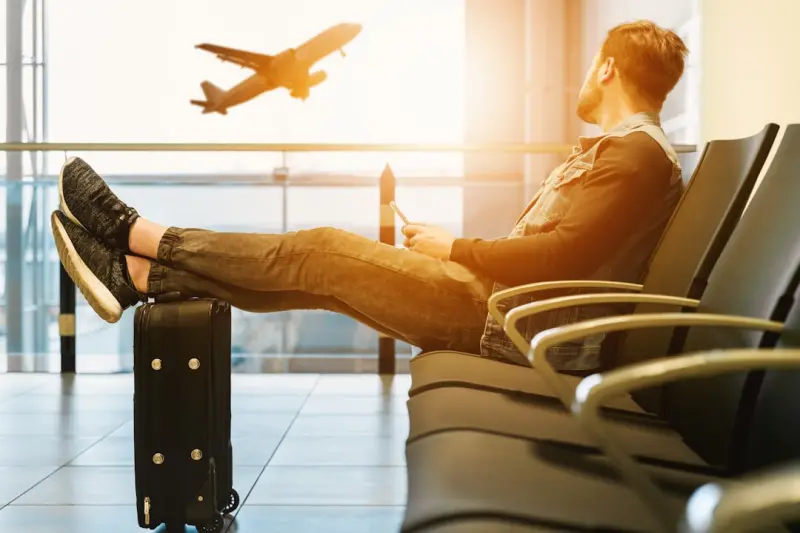
How Traveling Turns Everyday Skills Into Superpowers
Travel isn’t just about sights; it’s a dynamic classroom that upgrades your adaptability, creati... Read More

Beyond the Desk: How Traveling Can Supercharge Your Creative Engine
Travel isn’t just a break—it’s a catalyst for innovation. Learn how to design trips as persona... Read More
Top Posts
Decentralized Identity: How Self‑Sovereign IDs Are Redefining Online Trust
Discover how decentralized, self‑sovereign identities are transforming online trust, cutting credential fatigue, and empowering users with true control over t...Read More

Why Sleep Is the Underrated Productivity Engine for Modern Professionals
Sleep isn’t a luxury; it’s a strategic asset. This article reveals why quality rest fuels sharper decision‑making, higher productivity, and better health,...Read More

Why Google’s AI Wave Calls for a Human‑First Marketing Mindset
Explore the impact of Google’s AI evolution and learn practical, human‑first tactics to keep your brand authentic while riding the AI wave....Read More

Smart Kitchen Organization: Turn Your Cooking Space into a Seamless Command Center
Learn how to create a streamlined kitchen with smart zones, budget‑friendly upgrades, and subtle tech integrations that turn cooking into a seamless, enjoyabl...Read More
0 Comments
Post Comment
You will need to Login or Register to comment on this post!