

Why Bringing the Outdoors Inside Matters
When I first moved into my cramped city apartment, I thought “green” was a buzzword reserved for eco‑friendly packaging. It wasn’t until a friend invited me over to her plant‑filled loft that I realized how dramatically a touch of nature can shift the atmosphere of a home. The air felt fresher, the light seemed softer, and even my brain seemed to settle into a more focused rhythm. That moment sparked a personal experiment: I would weave biophilic design—principles that connect us to the natural world—into every room, and I’d document the impact on energy use, mood, and productivity.
The Science Behind Biophilic Design
Biophilia, a term coined by biologist E.O. Wilson, describes our innate affinity for living systems. Researchers have linked exposure to natural elements with reduced cortisol levels, improved heart rate variability, and heightened attention spans. In the context of a home, this translates to fewer “brain fog” moments, a calmer environment for family interactions, and, surprisingly, lower energy bills.
Start Small: The Power of Visual Green
Not everyone has a sprawling garden, but every wall can become a canvas for nature. Here’s how I turned empty spaces into visual sanctuaries without breaking the bank:
- Leafy Wall Art: Instead of traditional prints, I chose botanical illustrations printed on recycled paper. The subtle gradients of green create a soothing backdrop that mimics a forest canopy.
- Mini Succulent Gardens: A trio of small succulents on a windowsill adds texture and a hint of life. They require minimal watering, making them perfect for busy schedules.
- Digital Nature Screensavers: For rooms without windows, high‑resolution nature videos—think flowing streams or rustling leaves—provide a low‑cost visual fix.
These visual cues can be introduced gradually, and you’ll notice a calming effect within days.
Air‑Purifying Plants That Do the Heavy Lifting
Beyond aesthetics, certain plants actively clean indoor air, removing volatile organic compounds (VOCs) and boosting oxygen levels. My top picks are:
- Spider Plant (Chlorophytum comosum) – Hardy, tolerates low light, and excels at filtering formaldehyde.
- Snake Plant (Sansevieria trifasciata) – Emits oxygen at night, perfect for bedrooms.
- Peace Lily (Spathiphyllum) – Removes benzene, trichloroethylene, and ammonia; also adds a touch of elegance with its white blooms.
Place these near air vents or in corners where airflow is strongest. Over time, you’ll notice fewer dust particles settling, and the room feels fresher.
Natural Light: Your Free Energy Source
Maximizing daylight reduces reliance on artificial lighting, directly cutting electricity consumption. Here’s my step‑by‑step routine:
- Sheer Window Treatments: Replace heavy curtains with light‑filtering linen panels. They diffuse harsh sunlight while still allowing a generous glow.
- Strategic Mirror Placement: Position a mirror opposite a window to bounce light deeper into the room. I placed a vintage round mirror in my hallway, and the space feels twice as large.
- Furniture Layout: Keep pathways clear around windows so light can travel unimpeded. I shifted my home office desk closer to the window, which eliminated the need for a desk lamp during daytime.
When daylight is abundant, you’ll find yourself reaching for the light switch less often—a small habit that adds up on your energy bill.
Water Elements: The Soothing Sound of Flow
Running water creates a gentle white noise that masks city sounds and promotes relaxation. I installed a compact tabletop fountain in my living room, and the soft cascade instantly became my go‑to backdrop for reading and video calls. If space is limited, a wall‑mounted ceramic water feature offers a sleek, space‑saving alternative.
Materials That Echo Nature
Replacing synthetic decor with natural textures deepens the biophilic impact. Consider these swaps:
- Wooden Accents: A reclaimed wood coffee table adds warmth and tells a story of sustainability.
- Cork Flooring: Soft underfoot, it’s an excellent insulator, reducing heating needs.
- Stone Countertops: They stay cool in summer and retain heat in winter, balancing indoor temperature fluctuations.
Each material not only looks organic but also contributes to a healthier indoor climate.
Integrating Biophilic Design in Small Spaces
Living in a studio? No problem. Multi‑functional furniture and vertical gardens become your allies. I installed a hanging pocket planters system on the wall behind my couch. It serves as storage for books while hosting trailing ivy—double duty that maximizes square footage.
Smart Home Meets Green Living
Technology can amplify the benefits of biophilic design. For instance, smart thermostats learn your preferred temperature ranges and adjust heating or cooling based on daylight availability. Pair this with motion‑sensing LED lights that dim when natural light is sufficient, and you’re orchestrating an energy‑efficient symphony.
Looking for budget-friendly smart home refreshes that align with a nature‑centric aesthetic? Start with smart plug timers for your indoor grow lights, ensuring plants get optimal exposure without manual adjustments.
Creating a Quiet Retreat for Focus
Even in bustling households, a designated calm zone can boost concentration. While I’m not focusing on noise reduction per se, the concept of a quiet corner strategy works beautifully when paired with natural elements. I placed a low‑profile wooden bench beside a floor‑to‑ceiling plant, added a soft rug, and equipped the area with a small diffuser emitting pine essential oil. The result? A pocket of tranquility that’s perfect for deep work or meditation.
Measuring the Impact: Energy Savings and Mood Tracking
After three months of implementing these changes, I tracked two key metrics:
- Energy Consumption: My electricity usage dropped by 12%, largely due to reduced lighting and more efficient heating thanks to natural insulation.
- Subjective Mood: Using a simple daily journal, I recorded higher scores for calmness and focus on days when my plant care routine was consistent.
The data confirms what many studies suggest: a home that mirrors nature not only feels better—it performs better.
Practical Tips for Getting Started
Ready to infuse your home with biophilic magic? Follow this quick starter kit:
- Identify one wall or corner that feels sterile.
- Introduce a visual element—whether a botanical print, a small plant, or a digital nature screen.
- Swap heavy curtains for sheer fabrics to boost daylight.
- Add a water feature or a small indoor fountain.
- Replace at least one synthetic decor piece with a natural material (wood, stone, or cork).
- Set up a simple habit tracker to water plants and note mood changes.
These steps require minimal investment but deliver outsized returns in comfort and efficiency.
Beyond the Home: Extending Biophilic Principles to Workspaces
If you work from home or run a small office, the same principles apply. A green wall behind your desk, a desk lamp that mimics sunrise, and a nearby indoor herb garden can turn a mundane office into a thriving creative hub. The continuity between home and work environments reinforces the calming benefits throughout your day.
Conclusion: A Sustainable, Serene Lifestyle
Integrating biophilic design isn’t about turning your home into a botanical garden—it’s about weaving subtle, nature‑inspired touches into everyday living. The payoff is a space that feels alive, a reduction in energy consumption, and a measurable lift in well‑being. My journey started with a single succulent and evolved into a full‑scale, nature‑infused sanctuary. I encourage you to experiment, track the changes, and enjoy the renewed connection to the world outside your windows.

In the world of freelance writing, where creativity and adaptability are paramount, Michelle Fisher stands out as a dedicated and versatile professional. With a passion for crafting compelling narratives and a keen eye for detail, Michelle has established herself as a trusted voice.
Related Posts
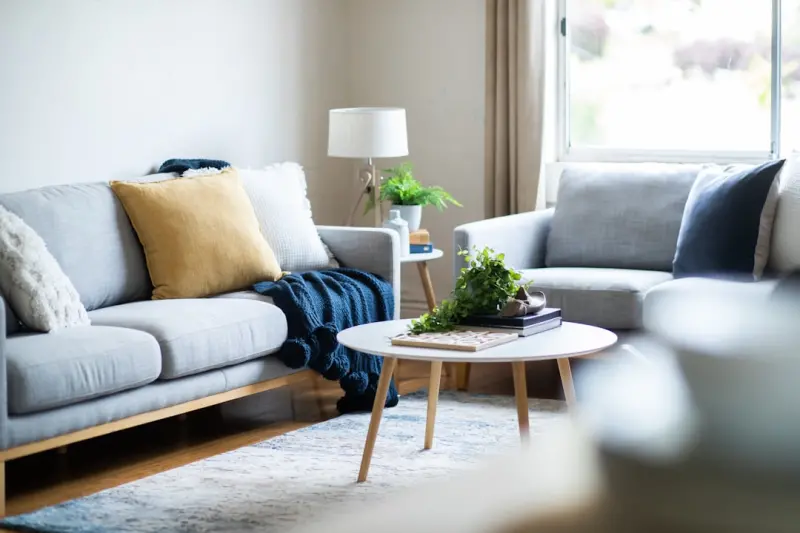
Designing Home Zones That Boost Focus, Calm and Creativity
Discover practical steps to carve out dedicated focus, rest, and creative zones in your home, using ... Read More
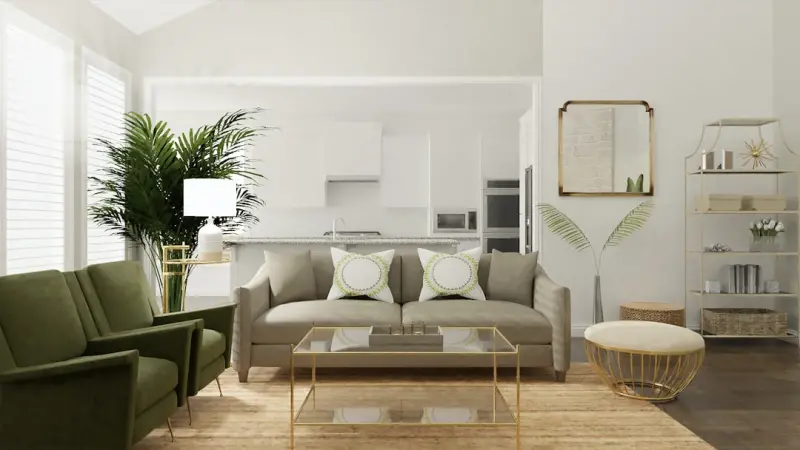
Transform Your Living Room into a Hybrid Hub for Work and Life
Learn how to redesign your living room into a purposeful hybrid hub with zoning, multitasking furnit... Read More

The Secret Sauce of Home Comfort: Sensory Layers You’re Missing
Discover how to transform any space using scent, texture, and sound. Simple, low‑cost tweaks creat... Read More
Top Posts

AI as the Quiet Co‑Pilot: Redefining SaaS Onboarding with Real‑Time Personalization
A fresh look at AI-powered onboarding shows how real‑time, personalized nudges replace static checklists, creating a seamless user journey that learns and ada...Read More

Topic Clusters: The SaaS SEO Blueprint for Sustainable Growth
Learn why topic clusters are the secret sauce for SaaS SEO, how to map them to the buyer’s journey, and a step‑by‑step playbook to launch and scale cluste...Read More

Demystifying AI: A Trust‑First Playbook for SaaS Leaders
This post offers a hands‑on framework for SaaS teams to integrate Explainable AI, covering business alignment, model selection, UX design, and metrics, helpin...Read More

Conversational AI: The Next Evolution in B2B Digital Marketing
Conversational AI is moving beyond chatbots to become a strategic, human‑centred layer in B2B digital marketing, leveraging zero‑party data and knowledge gr...Read More
0 Comments
Post Comment
You will need to Login or Register to comment on this post!