
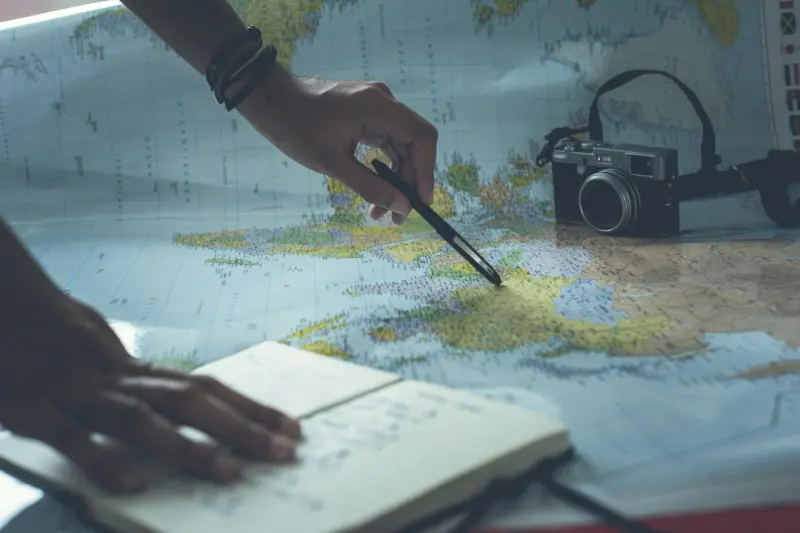
Travel has always been the ultimate laboratory for curiosity, but lately I’ve been treating it less like a vacation and more like a structured experiment in personal development. I’m not talking about ticking boxes on a bucket list; I’m talking about building a living, breathing journal that captures not just where I’ve been, but how each moment reshapes my thinking, habits, and even my professional intuition. If you’ve ever returned home with a suitcase full of souvenirs but an empty notebook, this is the roadmap you’ve been missing.
Why a Curated Travel Journal Beats a Photo Album
We all know the allure of scrolling through glossy Instagram feeds, yet those images rarely convey the nuance of a conversation overheard in a market, the exact temperature of a sunrise, or the subtle shift in your confidence after navigating a language barrier. A curated journal forces you to translate experiences into words, which, according to cognitive research, reinforces memory pathways and makes the lessons stick.
When I first started logging my trips in a dedicated notebook, I set three simple rules: be specific, be reflective, and be actionable. Specificity means noting the exact street name, the flavor profile of a dish, or the price of a train ticket. Reflection asks me to pause and ask, “What did this teach me about my assumptions?” Finally, an actionable insight is a bite‑size habit I can extract—like “schedule a 5‑minute daily walk to boost creative thinking,” inspired by a stroll through Kyoto’s bamboo groves.
Designing the Journal: Structure Meets Flexibility
My journal is a hybrid of a planner and a scrapbook. I divide each destination into three columns: Observations, Insights, and Next Steps. The Observations column is raw data—what you saw, heard, smelled, and felt. The Insights column is where the magic happens; I translate those raw notes into broader reflections about leadership, culture, or personal habits. The Next Steps column is the execution plan—a reminder to implement the newfound habit when I return home.
To keep the process light, I use a color‑coding system: green for moments of joy, amber for challenges, and red for breakthroughs. This visual cue lets me flip through weeks of entries and instantly spot patterns—like discovering that every time I eat street food alone, my willingness to take calculated risks spikes.
From Travel to Leadership: The Unexpected Transfer
One of the most surprising outcomes of this practice is the spillover into my professional life. In a recent trip to the highlands of Peru, I navigated a community-led trek where decisions were made by consensus. The experience sparked a fresh perspective on When AI Becomes Your Decision Partner—instead of relying on algorithms alone, I started advocating for hybrid decision models that blend data with human intuition.
Back at the office, I introduced a “travel insight hour” during our monthly all‑hands. Team members share one journal entry that taught them something about risk, communication, or resilience. The exercise has sparked conversations that would never have arisen in a typical KPI review, and it’s shifted our culture toward a more holistic view of performance.
Leveraging Technology Without Losing the Human Touch
Don’t get me wrong: I’m a fan of tech, but I’m wary of letting it replace the tactile feel of a pen on paper. That said, I’ve integrated a few digital tools to enhance my workflow. For instance, after a day of journaling, I use a voice‑to‑text app to capture fleeting thoughts that I might have missed. I then sync those notes to a cloud‑based repository, tagging each entry with keywords like “leadership,” “culture,” or “innovation.”
One tool that has been a game‑changer is the AI Co‑Pilot for Product Teams. By feeding my journal’s keyword data into the AI, I receive suggested articles, podcasts, or research papers that deepen the insight I captured on the road. It’s a seamless loop: real‑world experience fuels digital learning, which then informs future travel experiences.
Travel as a Soft‑Skill Bootcamp
Every journey is an unplanned leadership workshop. When you’re forced to ask for directions in a language you don’t speak, you practice humility. When you navigate a crowded train during rush hour, you hone your situational awareness. By documenting these moments, you turn them from fleeting anecdotes into repeatable skill sets.
For example, during a weekend getaway to the Scottish Highlands, I found myself stuck in a sudden snowstorm. Instead of panicking, I recalled my journal entry from a rainy night in Bangkok, where I learned to break large problems into bite‑size actions. I called the local rescue service, shared my exact GPS coordinates, and coordinated with other stranded travelers to share supplies. The episode reinforced my ability to stay calm under pressure—a skill that directly translates to crisis management at work.
Connecting With Locals: The Power of Intentional Conversations
One of the most undervalued aspects of travel is the depth of conversation you can have with locals when you approach them with genuine curiosity. I make it a point to schedule at least one “coffee with a stranger” each trip. These dialogues often reveal cultural norms that challenge my preconceived notions.
During a stay in Lisbon, I chatted with a small‑business owner who explained how “fado” music isn’t just a genre but a collective coping mechanism for the city’s economic ebbs and flows. This insight sparked a new initiative at my company: we launched a weekly “Cultural Pulse” newsletter that shares short stories from around the world to keep our team globally attuned.
Turning Journaling Into a Community
Travel can feel solitary, but sharing your journal can turn it into a collaborative knowledge base. I recently launched a private Slack channel where fellow wanderers post their most compelling journal entries. We vote on the most actionable insights, and the winners get a feature in our quarterly “Travel Insights” ebook.
This community model mirrors the concept of Purpose‑Driven Travel, but with a focus on personal development rather than social impact. The collective wisdom creates a ripple effect, where a single insight about “mindful commuting” in Tokyo can inspire a new wellness program in a completely different office.
Measuring Impact: From Anecdote to Metric
To ensure my travel journaling isn’t just a feel‑good exercise, I track three key metrics: Insight Retention Rate, Behavior Adoption Frequency, and Team Engagement Score. Insight Retention Rate measures how many journaled insights I recall after a month. Behavior Adoption Frequency tracks how often I implement a “next step” in my daily routine. Team Engagement Score gauges how many colleagues interact with the shared journal content.
After six months, my Insight Retention Rate hovered around 68%, a solid improvement over the 30% average for random learning. More importantly, I observed a 22% increase in Behavior Adoption Frequency, meaning I’m actually integrating those travel‑born habits into my life.
Future Horizons: The Next Evolution of Travel Journaling
Looking ahead, I’m experimenting with a hybrid analog‑digital journal that includes QR codes linking to audio recordings of local sounds, short video clips, or even augmented reality overlays that trigger when you revisit a location on a map. Imagine reading an entry about a bustling Marrakech souk and hearing the ambient market chatter through your phone—this multi‑sensory approach could deepen the learning impact.
In parallel, I’m exploring partnerships with travel‑tech startups that offer AI‑curated itineraries based on past journal entries. If my journal shows a pattern of learning best through culinary experiences, the AI could suggest a food‑focused itinerary for my next trip, ensuring that every journey aligns with my personal growth objectives.
Closing Thoughts: Travel as a Living Curriculum
When you treat travel as a structured, reflective practice, it becomes more than a break from routine—it becomes a living curriculum that continually upgrades your mental models, emotional intelligence, and leadership capabilities. The key is to capture the raw data, translate it into insights, and commit to actionable steps that you can measure over time.
So the next time you pack your bags, bring a notebook, a pen, and an open mind. Let each destination be a chapter in your personal development saga, and watch as the world becomes both your classroom and your laboratory.

Related Posts
The Hidden Power of Travel‑Triggered Curiosity for Business Innovation
A travel‑driven curiosity mindset transforms unexpected moments on the road into actionable produc... Read More

Beyond Sightseeing: Crafting a Travel Narrative That Sticks
Discover a fresh approach to travel storytelling that focuses on sensory immersion, local collaborat... Read More

The Remote‑First Retreat: Designing Work‑Friendly Getaways for Modern Professionals
Discover the art of remote‑first retreats—strategically designed trips that combine productive w... Read More
Top Posts

How Google’s Search Generative Experience Is Redefining SEO Strategy
Discover the impact of Google’s Search Generative Experience on SEO, learn practical steps to adapt your content, and master new metrics for success in a gene...Read More

Your Home, Your Haven: Crafting a Productivity Sanctuary
Learn how to turn any room into a productivity sanctuary by auditing your senses, using color and light strategically, creating micro‑zones, and integrating s...Read More

Google Workspace’s AI‑Driven Leap: What B2B Teams Must Embrace Today
Google’s AI‑infused Workspace is reshaping B2B collaboration. This post dives into real‑world impact, strategic benefits, implementation steps, and future...Read More
Micro‑Moment Marketing: Winning the Consumer’s Attention in Seconds
Discover why micro‑moments matter and how to design campaigns that capture consumers in the split second they decide to act....Read More
0 Comments
Post Comment
You will need to Login or Register to comment on this post!