
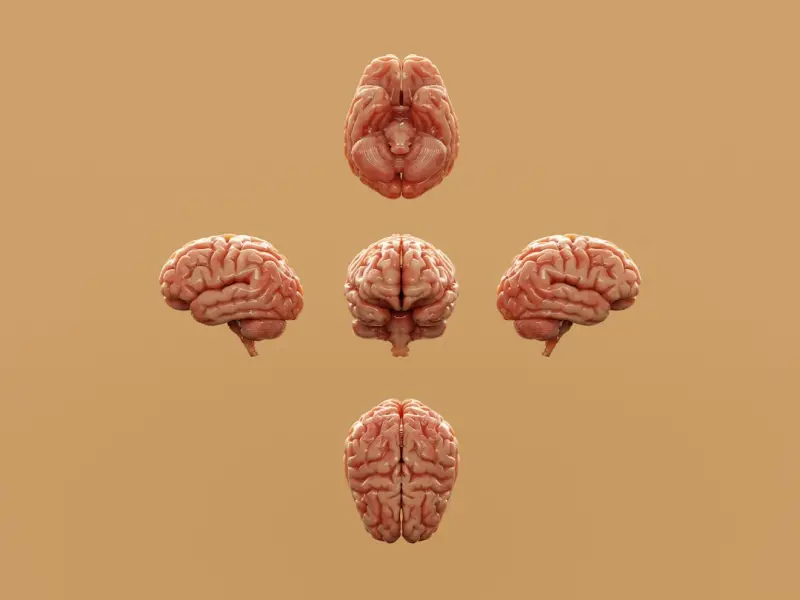
Ever feel like you’re sprinting on a treadmill that never stops? The buzz of notifications, the endless scroll, the pressure to be “always on” – it’s a modern marathon that most of us never signed up for. I’m Michelle Fisher, and after years of juggling product launches, client calls, and a never‑ending inbox, I finally realized that my brain was begging for a real‑world pause. This isn’t a fluffy self‑help mantra; it’s a physiological imperative backed by neuroscience, and it can be the missing piece in your health puzzle.
The Science Behind Digital Overload
Our brains evolved to thrive on intermittent bursts of attention – think hunting, gathering, and social storytelling around a fire. Today, the “fire” is a glowing screen, and the bursts have become relentless. When you switch between apps, emails, and tabs, you trigger the brain’s orienting response, a primitive alert system that keeps you in a state of constant readiness. Over time, this high‑frequency alertness depletes the brain’s prefrontal cortex, the region responsible for decision‑making, emotional regulation, and impulse control.
Research shows that sustained digital multitasking reduces gray matter density in the anterior cingulate cortex – the hub for focus and empathy. The result? More mental fog, irritability, and a weakened ability to connect with others on a deeper level. In short, the very tools we built to boost productivity are silently sabotaging the core of our mental health.
Why a Real‑World Pause Is Not Optional
Imagine trying to write a novel while someone keeps tapping your shoulder every five seconds. You’d stumble, lose your train of thought, and likely abandon the project. The brain operates the same way. Without intervals of genuine disengagement, you never give neural pathways the chance to consolidate memories, process emotions, or synthesize insights.
In the realm of health, this translates to:
- Impaired sleep patterns – blue light exposure suppresses melatonin, delaying the onset of restful sleep.
- Elevated cortisol – the stress hormone spikes when we’re constantly “on call,” leading to inflammation and weakened immunity.
- Reduced creativity – novelty thrives in the default mode network, which activates only during mind‑wandering.
If you’re aiming for a thriving mind and body, you need to schedule intentional downtime that is offline, unstructured, and sensory‑rich. The trick is making this pause feel as valuable as any meeting or deadline.
Designing Your Pause: Practical Steps That Actually Stick
Below is a step‑by‑step framework I’ve refined through trial, error, and a few sleepless nights. Each step is grounded in behavioral science, so you’re not just hoping for results – you’re engineering them.
1. Map Your Digital Landscape
Start with a 48‑hour audit. Write down every device interaction, from checking the weather to replying to Slack. You’ll be surprised at the hidden “micro‑interruptions” that eat up minutes, which quickly balloon into hours.
2. Create Sacred “No‑Screen” Zones
Designate physical spaces where screens are forbidden – the bedroom, the dinner table, or even a corner of your living room. Pair these zones with tactile anchors (a scented candle, a soft blanket, a favorite plant) to signal to your brain that it’s time to switch modes.
3. Leverage human‑centric design principles for your environment
Just as we craft products that respect user flow, arrange your surroundings to support natural breaks. Position a comfortable chair near a window so you can glance outside without reaching for your phone. Keep a journal and a pen within arm’s reach to capture fleeting thoughts the moment they arise.
4. Adopt the “Micro‑Retreat” Rhythm
Instead of waiting for a weekend getaway, integrate 5‑minute micro‑retreats throughout the day. Close your eyes, breathe deeply, and focus on an ambient sound – the hum of a fan, the rustle of leaves, or distant traffic. These brief resets recalibrate the autonomic nervous system, shifting you from “fight‑or‑flight” to “rest‑and‑digest.”
5. Build sustainable habit loops that reinforce downtime
Identify a cue (e.g., the end of a meeting), a routine (a 3‑minute stretch or a cup of herbal tea), and a reward (a sense of calm or a mental “reset” badge in your habit tracker). By embedding the pause into an existing workflow, you reduce the friction of adoption.
6. Reclaim Your Evening Ritual
The hour before bed should be a digital sanctuary. Swap scrolling for analog activities: reading a physical book, sketching, or practicing gentle yoga. If you must use a device, enable night‑mode, dim the brightness, and use a blue‑light filter.
7. Evaluate and Iterate
Every two weeks, assess how these pauses are affecting your mood, focus, and energy levels. Keep a simple log – “Morning focus rating (1‑10)”, “Midday stress level”, “Evening sleep quality”. Use the data to fine‑tune the length and frequency of your breaks.
From Theory to Tangible Benefits
When I first instituted a 10‑minute screen‑free walk after lunch, my afternoon slump vanished. My brain’s “working memory” capacity improved, allowing me to hold more information without feeling overloaded. Over a month, my sleep latency dropped by 20 minutes, and I woke up feeling genuinely rested.
These aren’t isolated anecdotes. Companies that champion employee “digital wellbeing” programs report a 12% increase in productivity and a 30% reduction in burnout‑related turnover. The correlation is clear: a well‑rested brain is a high‑performing brain.
Common Pitfalls and How to Dodge Them
- Thinking “I’ll just skip one day.” Consistency is the key. Skipping breaks creates a rebound effect, making the next pause feel more daunting.
- Relying on “tech‑free” apps that still push notifications. Even a meditation app can become a source of alert fatigue if it pings you constantly. Choose truly silent tools.
- Viewing downtime as wasted time. Reframe it as “investment time” for mental capital. The ROI manifests as sharper insight, better decision‑making, and enhanced creativity.
Integrating the Pause Into a Health‑First Lifestyle
Beyond the mental benefits, real‑world pauses ripple into physical health. When you step away from the desk, you naturally increase your step count, improve circulation, and lower the risk of musculoskeletal issues. Pair the pause with light movement – a stretch, a few yoga poses, or a brief walk – and you’re hitting both mind and body.
Nutrition also plays a role. Use screen‑free moments to hydrate or prepare a nutrient‑dense snack. This breaks the habit of mindless snacking while scrolling, which often leads to over‑consumption of processed foods.
Scaling the Pause: From Personal to Organizational
If you manage a team, model the behavior you want to see. Schedule “focus blocks” where meetings are banned, and encourage everyone to take a brief, device‑free walk. Provide quiet rooms or outdoor spaces that invite natural disengagement.
Remember, the goal isn’t to eradicate technology but to create a rhythm where digital tools amplify, rather than dominate, human potential. When employees feel mentally refreshed, the whole organization benefits – from innovation pipelines to client relationships.
Final Thought: Pause, Then Propel
In a world that glorifies hustle, the most radical act you can take for your health is to deliberately step back. By carving out real‑world pauses, you restore your brain’s natural cadence, boost resilience, and lay the foundation for sustained high performance. It’s not an indulgence; it’s a strategic health upgrade that pays dividends in every facet of your life.
So, next time your phone buzzes, ask yourself: “Do I need to respond now, or can I let this moment be a pause?” The answer could be the first step toward a clearer mind, a stronger body, and a more vibrant you.

In the world of freelance writing, where creativity and adaptability are paramount, Michelle Fisher stands out as a dedicated and versatile professional. With a passion for crafting compelling narratives and a keen eye for detail, Michelle has established herself as a trusted voice.
Related Posts
Micro‑Workouts: Turning Desk Time into Fitness Wins
Micro‑workouts turn brief office pauses into powerful fitness bursts, improving metabolism, mental... Read More
Rewilding Your Daily Routine: How Nature Immersion Boosts Health
A fresh take on health: learn to weave nature into your daily habits for lasting mental and physical... Read More

Rewiring Your Internal Clock: Harnessing Natural Light for Peak Health and Performance
Learn why natural light is the missing health lever for tech professionals and how to create a light... Read More
Top Posts
Transform Your SaaS Help Center into an SEO Powerhouse
A deep dive into turning your SaaS knowledge base into an SEO magnet, covering audit, keyword research, on‑page optimization, schema, user‑generated content...Read More
SEO for Subscription Sites: Unlocking Growth in the Membership Economy
A new SEO strategy designed for subscription businesses, blending structured data, conversion‑focused content, and retention metrics to drive organic growth a...Read More

How Google’s Voice Search Is Redefining the SEO Playbook
Explore the rise of Google voice search, learn actionable SEO tactics, and see how small businesses can double traffic by mastering spoken queries....Read More

Edge Computing for SaaS: Why Proximity Is the New Performance Paradigm
Edge computing is emerging as a game‑changer for SaaS, letting companies push logic and data closer to users for faster, more secure experiences. In this post...Read More
0 Comments
Post Comment
You will need to Login or Register to comment on this post!