
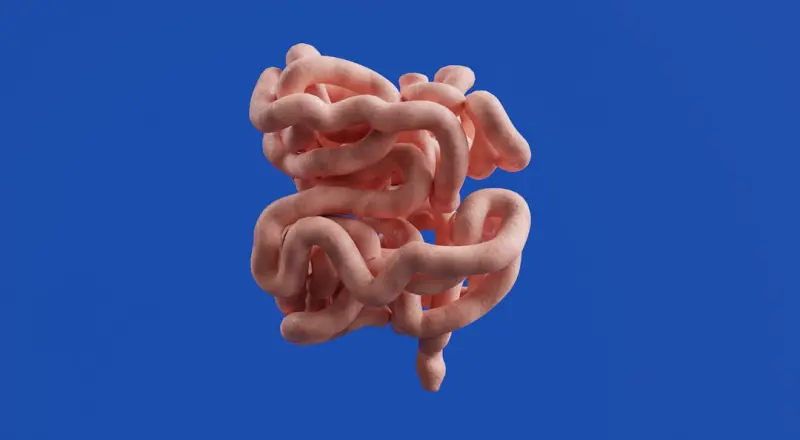
Why Your Gut Is the Unexpected CEO of Your Well‑Being
When I first started tracking my own health data, I expected the scale and the smartwatch to be the biggest revelations. Instead, a simple stool sample turned my worldview upside down, showing that the trillions of microbes living inside me were quietly steering my mood, energy, and even my skin’s clarity. The gut microbiome isn’t just a digestive sidekick; it’s a bustling metropolis that communicates with the brain, the immune system, and the hormones that dictate how we feel day to day. In this article I’ll walk you through the science, the everyday habits that nurture a balanced microbiome, and the practical tools you can use right now to give those tiny residents a thriving environment.
The Science That Turns Gut Talk Into Hard Data
Over the past decade, researchers have mapped the genetic blueprints of more than 1,000 microbial species that call our intestines home, revealing a complex ecosystem that rivals a rainforest in diversity. These microbes produce short‑chain fatty acids, neurotransmitters like serotonin, and even vitamin K, all of which travel through the bloodstream to influence brain chemistry and immune responses. Studies now show that people with higher diversity in their gut flora tend to report lower levels of anxiety and depression, while a less varied microbiome is linked to chronic inflammation and metabolic disorders. Understanding that the gut‑brain axis is a two‑way street helps us appreciate why a bad night’s sleep can cause digestive upset, and why a probiotic‑rich breakfast can lift our mood before our first cup of coffee.
Food Choices: The Most Direct Leverage Point
What we eat is the most immediate way to shape our internal ecosystem, and the impact is both swift and profound. Diets rich in fiber—think whole grains, legumes, and a rainbow of vegetables—feed beneficial bacteria, encouraging them to produce the anti‑inflammatory compounds that keep our gut lining sturdy. Conversely, excessive refined sugars and processed foods feed opportunistic microbes that can outcompete the good guys, leading to dysbiosis, bloating, and mood swings. I’ve found that swapping a morning bagel for a bowl of oatmeal topped with berries and a spoonful of fermented kefir not only steadies my digestion but also steadies my focus during the workday. The key is consistency: small, repeated choices compound into a resilient microbial community that supports both body and mind.
Stress, Sleep, and the Microbiome Triangle
Stress isn’t just a mental state; it releases cortisol, which alters gut motility and permeability, creating an environment where harmful bacteria can thrive. Chronic sleep deprivation amplifies this effect, reducing the production of melatonin, a hormone that also helps regulate gut rhythms. In my own experience, a week of late nights and looming deadlines coincided with a bout of indigestion and a foggy brain, prompting me to prioritize a nightly wind‑down routine. Practices like gentle yoga, breathing exercises, and limiting screen time before bed help lower cortisol levels, allowing the gut lining to repair and the microbiome to rebalance. By treating stress and sleep as integral parts of gut health, you create a feedback loop where a calmer mind fosters a healthier gut, which in turn supports a calmer mind.
Fermented Foods and Targeted Probiotics: Choosing the Right Allies
Fermented foods are the most accessible source of live microbes, and each brings a unique consortium of strains that can complement your existing gut flora. Sauerkraut, kimchi, kombucha, and miso not only provide probiotics but also contain prebiotic fibers that feed them. When I began adding a tablespoon of raw kimchi to my lunch salad, I noticed a subtle but consistent improvement in my afternoon energy levels and a reduction in occasional bloating. For those seeking a more precise approach, targeted probiotic supplements—selected based on strain specificity—can address particular concerns like IBS, antibiotic recovery, or immune support. However, it’s crucial to choose products with clinically validated strains and adequate colony‑forming units (CFUs) to ensure they survive the journey to the intestine.
Building a Daily Microbiome‑Friendly Routine
Integrating gut‑supportive habits into a busy schedule doesn’t require a complete lifestyle overhaul; it’s about layering small, sustainable actions. Start your day with a glass of warm water infused with lemon to gently stimulate digestion, then enjoy a fiber‑rich breakfast. Throughout the day, aim for at least 30 minutes of moderate movement—walking, cycling, or even light stretching—as physical activity has been shown to increase microbial diversity. When hunger strikes, reach for a handful of nuts or a piece of fruit instead of processed snacks, and finish dinner with a small serving of fermented vegetables. Finally, end the evening with a calming ritual—perhaps a short meditation or a journal entry—to lower stress hormones before sleep. These micro‑changes, when practiced consistently, create an environment where beneficial microbes can flourish.
Tech Tools That Turn Data Into Insightful Action
Modern health tech makes it easier than ever to monitor how your gut responds to diet and lifestyle. Apps that track food intake can highlight fiber gaps, while wearable devices now offer heart‑rate variability metrics that correlate with stress levels affecting gut health. Some platforms even integrate stool analysis results, providing personalized recommendations for prebiotic foods, probiotic strains, and lifestyle tweaks. I’ve started using a gut‑health dashboard that syncs my food diary with my sleep data, alerting me when a pattern emerges—like a spike in evening cravings after a night of poor sleep. By turning raw numbers into actionable insights, you can fine‑tune your habits with the precision of a scientist and the intuition of a seasoned health enthusiast.
From Habit Coaching to Prompt Engineering: Leveraging AI for Gut Success
Just as AI habit coaching can keep you accountable for exercise or meditation, it can also remind you to drink water, schedule probiotic doses, or log your meals. I’ve set up simple chatbot prompts that ask, “Did you include a fermented food today?” and receive a gentle nudge if I forget. Beyond reminders, prompt engineering lets you ask AI for customized meal plans based on your gut‑health goals, allergies, and flavor preferences, turning a complex nutritional puzzle into a menu you actually enjoy. By treating AI as a supportive teammate rather than a replacement, you can maintain consistency without feeling overwhelmed, letting the science of the microbiome do the heavy lifting while technology handles the logistics.
Take the First Step Toward a Happier Gut—and a Happier You
Changing the narrative of your health starts with a single, intentional choice: prioritize the invisible community that lives inside you. Whether you begin by adding a probiotic spoonful to your morning smoothie, swapping a sugary snack for a fiber‑rich fruit, or setting an AI‑driven reminder to breathe deeply during stressful moments, each action compounds into a stronger, more resilient microbiome. I invite you to experiment with one new habit this week, observe how your mood, digestion, and energy respond, and then build on that momentum. Remember, the gut is a living ecosystem—treat it with patience, curiosity, and respect, and it will reward you with clearer thoughts, steadier moods, and a body that feels ready to thrive.

Karen Edwards is a seasoned freelance writer with a passion for all things furry, feathered, and scaled. With a dedicated focus on pets, she brings a wealth of knowledge and a keen eye for detail to her writing.
Related Posts

Unlocking the Hidden Power of Sleep Hygiene for Peak Health
A deep dive into sleep hygiene reveals practical steps—from bedroom setup to AI habit trackers—t... Read More

The Silent Power of Posture: Boosting Remote Team Resilience
A deep dive into why everyday posture matters for remote workers, practical micro‑adjustments, and... Read More

When Screens Overwhelm: Reclaiming Human Health in the Digital Age
A practical guide that blends chronobiology, sensory hygiene, and movement integration to help remot... Read More
Top Posts

Riding Google’s 2024 AI Wave: Rose DesRochers’ Insider Playbook for Marketers
Rose DesRochers reveals how to partner with Google’s 2024 AI, turning semantic clusters and AI snippets into a winning SEO strategy.---...Read More

Riding Google’s AI Wave: A Human‑Centric Marketer’s Blueprint
Learn to blend Google’s AI power with authentic storytelling. This guide offers real‑world tactics, a voice‑library method, and an actionable checklist fo...Read More

Beyond Rankings: How PWAs Are Redefining SEO Success
Explore how PWAs transform SEO by improving Core Web Vitals, enhancing user engagement, and opening new link‑building opportunities—all backed by real‑wor...Read More

Why Voice‑First Experiences Are Redefining B2B SaaS Marketing
Voice technology is emerging as a primary touchpoint for enterprise buyers, offering speed, personalization, and brand differentiation. This post explores pract...Read More
0 Comments
Post Comment
You will need to Login or Register to comment on this post!