
Why Scent Is the Unsung Hero of a Cozy Home
When I first stepped into a friend’s living room and was greeted by the soft whisper of cinnamon and clove, I realized that fragrance can be the silent host that welcomes guests before a single word is spoken. Scents have a direct line to our limbic system, the part of the brain that governs memory and emotion, which explains why a well‑chosen aroma can instantly shift a space from drab to delightful. Embracing scent as a design element turns ordinary rooms into personal sanctuaries that reflect the rhythm of each season.
Choosing Seasonal Aromas That Echo the Outdoors
Instead of reaching for generic air fresheners, I like to match my home’s olfactory palette to the natural world outside, letting spring’s fresh-cut grass and blooming lilac drift through the kitchen while autumn brings in warm amber and dry cedar. This approach not only anchors the indoor experience to the changing year but also reduces reliance on synthetic chemicals that can overwhelm sensitive noses. By aligning fragrance with the calendar, you create a living backdrop that feels both intentional and effortlessly inviting.
DIY Natural Diffusers: Crafting Aroma on a Budget
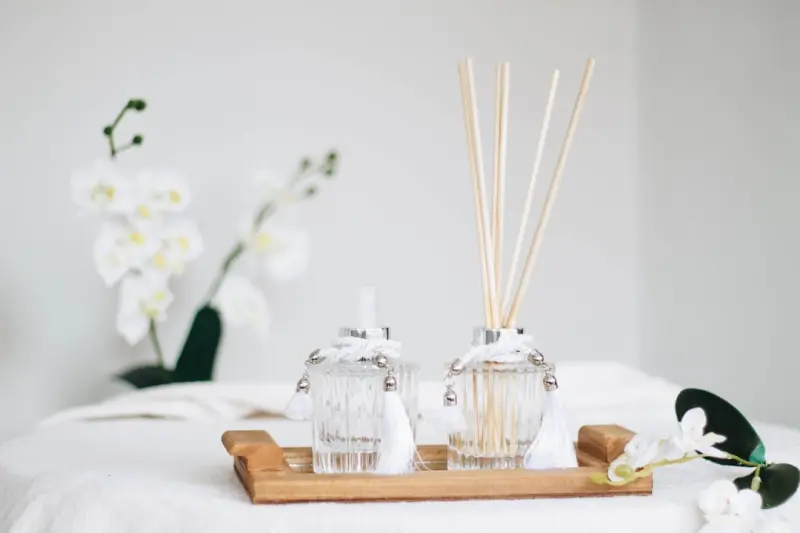
One of my favorite weekend projects involves repurposing an old glass jar into a sleek, oil‑based diffuser that looks as good as it smells, using carrier oils, essential blends, and a handful of bamboo sticks. The beauty of this method is its simplicity: a few drops of your chosen scent, a stir, and the fragrance begins to rise, filling the room with a gentle, consistent perfume that commercial plug‑ins can’t match. Plus, the ritual of mixing and refilling becomes a mindful pause in an otherwise hectic day, turning scent creation into a personal act of self‑care.
Scent Zones: Tailoring Fragrance to Each Room’s Purpose
Just as you assign specific colors or textures to different spaces, I recommend designating distinct scent profiles for each zone to reinforce its function—citrus bursts in the home office to boost focus, lavender or eucalyptus in the bathroom for calming steam sessions, and a subtle vanilla‑toned blend in the bedroom to promote restful sleep. By mapping aromas to activities, you subtly guide mood and behavior without the need for overt décor changes. This layered approach ensures that every corner of your home feels curated, purposeful, and uniquely yours.
Eco‑Friendly Scent Sources You Can Grow Indoors
Growing your own aromatic herbs, such as rosemary, mint, or chamomile, provides a renewable scent reservoir that doubles as fresh kitchen ingredients and natural air purifiers. A windowsill herb garden not only adds a splash of green life but also lets you harvest leaves to crush and release fragrance whenever you crave a burst of garden‑fresh aroma. This sustainable practice reduces waste, cuts down on synthetic sprays, and invites the calming presence of living plants into the heart of your home.
Maintaining Aroma Balance: When Too Much Is Too Much
Even the most delightful scent can become overwhelming if left unchecked, so I always set a timer on my diffuser or rotate the oil blends weekly to keep the olfactory experience fresh and subtle. Ventilation plays a crucial role, too—opening a window for a few minutes each day allows the scent to breathe, preventing stagnation and preserving the integrity of the fragrance. By treating scent like any other design element—periodically refreshed and thoughtfully placed—you ensure it remains an uplifting backdrop rather than an overpowering presence.
Integrating Scent With Décor: Visuals Meet Volatiles
Pairing fragrance with complementary visual cues amplifies the overall ambiance; for instance, a ceramic bowl of dried orange slices not only looks rustic but releases a gentle citrus note that ties into your kitchen’s bright palette. Similarly, scented candles placed in sleek metal holders can act as both functional lighting and aromatic accent, creating a cohesive aesthetic that feels intentional and harmonious. This synergy between sight and smell transforms ordinary décor into a multi‑sensory experience that guests will remember long after they leave.
Final Thoughts: Making Scent a Habit, Not a Hassle
Incorporating fragrance into your home doesn’t require a complete overhaul—small, deliberate steps like swapping out a stale air freshener for a handmade diffuser or tending to a tiny herb garden can have a profound impact on comfort and wellbeing. As you experiment with seasonal blends, aroma zones, and eco‑friendly sources, you’ll discover a personal scent signature that evolves with you, making every return home feel like a warm, fragrant embrace. For more inspiration on sustainable home habits, check out energy‑saving habits and explore how mini‑zone organization can further streamline your living space.

Related Posts

Transform Your Home into a Quiet Powerhouse for Productivity
Learn how to map sound, seal gaps, add soft surfaces, and use smart devices to create a quiet, produ... Read More

Brain‑Friendly Home Hacks: Light, Sound, and Space for Peak Productivity
Discover how dynamic lighting, curated soundscapes, strategic micro‑zones, and simple plant tricks... Read More

The Art of Quiet Corners: Transforming Overlooked Nooks into Functional Retreats
Discover practical ways to identify, design, and maintain under‑used corners in any home, turning ... Read More
Top Posts

Travel Light, Live Large: Mastering the Capsule Wardrobe for Global Adventures
A guide to building a versatile five‑piece capsule wardrobe, essential lightweight tech, and mindful packing tips that turn every trip into a freer, more imme...Read More

How Google’s Edge Cloud Is Redefining Real‑Time SaaS Experiences
Google’s Edge Cloud brings compute closer to users, slashing latency and enabling real‑time SaaS features. Learn a step‑by‑step playbook to migrate work...Read More

Conversational Commerce: Turning B2B SaaS Chats into Closed Deals
Conversational commerce is reshaping B2B SaaS marketing by moving interactions from static funnels to real‑time chats. Learn the core stack, design principles...Read More

Turning Purchases into Play: The Power of Gamified Loyalty
Learn why turning routine purchases into interactive games can supercharge brand loyalty, increase customer lifetime value, and set your marketing strategy apar...Read More
0 Comments
Post Comment
You will need to Login or Register to comment on this post!