

Re‑Engineering SaaS Content for the Search Engine Mindset
When I first started writing about SEO for SaaS, I treated it like any other marketing channel: throw keywords at a landing page, chase rankings, and hope the traffic translates into trials. It worked… until the algorithms stopped rewarding keyword stuffing and started rewarding understanding. The moment I stopped thinking like a marketer and started thinking like a search engine, my whole approach flipped.
In this post I’m going to walk you through the mental shift that makes the difference, and give you a practical, data‑driven framework you can start applying today. No buzzwords, no vague “intent‑first” platitudes—just a clear map of how to align your SaaS product narrative with the way Google, Bing, and emerging AI‑driven search platforms actually process information.
The Search Engine’s Core Objectives
Before you can write for a search engine, you need to understand what a search engine is trying to achieve. At its heart, a search engine wants to:
- Answer the user’s query as accurately as possible.
- Provide a trustworthy source that satisfies the user’s broader context.
- Keep the user on the platform (or return them later) by delivering a high‑quality experience.
For a SaaS company, this translates into three concrete goals:
- Match the technical problem the prospect is trying to solve.
- Show real‑world evidence that your solution works.
- Make the information easy to digest, navigate, and act upon.
Everything else—keywords, meta tags, link building—becomes a secondary, supportive layer. When you flip the hierarchy and let the engine’s objectives drive the content structure, you start building pages that naturally rank, attract qualified traffic, and convert.
Step 1: Map the Problem Space, Not the Product
Most SaaS teams start with a product‑centric taxonomy: “Feature A,” “Feature B,” “Pricing.” Search engines don’t think in those terms. They think in problem statements. A user searching for “automate invoice approvals” isn’t looking for a feature called “Workflow Engine”; they’re looking for a solution that does that job.
Begin by mining your own support tickets, sales calls, and community forums for the exact language your prospects use when describing pain points. Build a Problem‑First Ontology that groups these phrases into high‑level buckets (e.g., “manual data entry,” “compliance bottlenecks,” “slow onboarding”). Then map each bucket to the specific SaaS capabilities that resolve it.
This approach does two things:
- It surfaces long‑tail queries that are rarely targeted in competitive SEO strategies.
- It creates a natural narrative that aligns your content with the search engine’s answer‑finding mission.
Step 2: Craft “Answer‑First” Pages
Once you have a problem hierarchy, design pages that start with the answer—before you dive into feature details. Think of the page as a mini‑FAQ:
- Headline that mirrors the query. Use the exact phrasing a user would type.
- One‑sentence answer. This is the “quick answer” snippet search engines love to lift.
- Short proof points. Real‑world metrics, case study snapshots, or third‑party validations.
- Deeper dive. Only after the user sees the answer should you explain how the product achieves it.
This hierarchy satisfies the engine’s “answer quickly, then let the user explore” model, improving both rankings and dwell time.
Step 3: Leverage Structured Data for SaaS Specifics
Search engines have a growing appetite for structured data that helps them understand the semantics of a page. For SaaS, the most relevant schemas are:
SoftwareApplication– defines the product name, operating system, price, and feature set.FAQPage– perfect for the “answer‑first” sections you just built.Review– aggregates star ratings and customer quotes, boosting trust signals.
Implementing these schemas not only improves the chance of rich snippets but also signals to the engine that your page is a reliable, authoritative source for the query.
Step 4: Optimize the Content Delivery Pipeline
In a modern CI/CD environment, content can be version‑controlled just like code. By treating SEO as an integral part of your delivery pipeline, you ensure that every new feature release is accompanied by a corresponding “answer‑first” page update. This is where the concept of SEO as Code becomes invaluable, even if you’re not directly replicating that post’s playbook.
Here’s a quick workflow:
- Developer adds a new capability flag in the codebase.
- Product manager updates the Problem‑First Ontology with the new use case.
- Content team creates or updates an answer‑first page, embedding the appropriate structured data.
- All changes are merged, and the CI pipeline runs automated checks for schema validity, meta tag completeness, and internal linking health.
This systematic approach eliminates the “SEO afterthought” that plagues many SaaS launches.
Step 5: Internal Linking as a Navigation Map
Once you have a suite of answer‑first pages, you need to guide both users and crawlers through them. Internal linking should mirror the problem hierarchy, not the product feature tree. For example, a page about “reducing churn through automated onboarding” should link to related problems like “improving user activation” and “streamlining data migration.
Use descriptive anchor text that reflects the linked page’s query, not generic terms like “click here.” This practice reinforces the semantic relationships that search engines use to evaluate topical relevance.
Step 6: Measure Success with the Right Signals
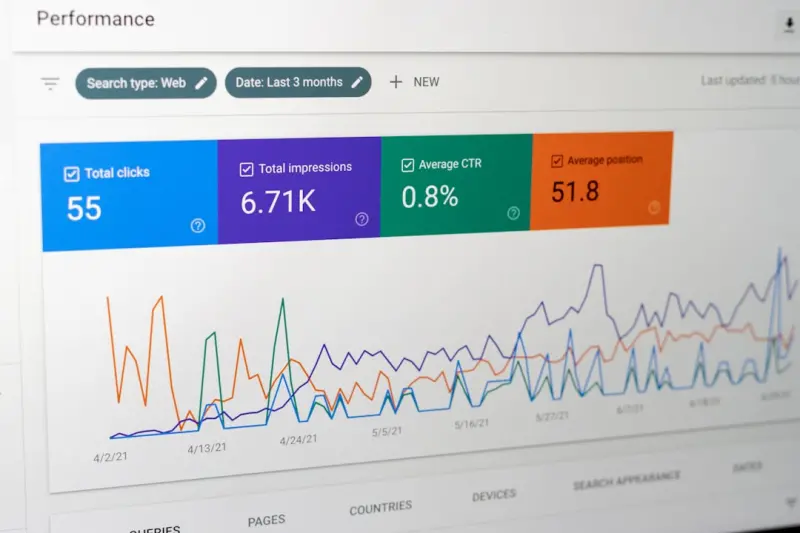
Traditional SEO metrics—rankings, impressions, click‑through rate—still matter, but for SaaS they’re only part of the picture. Add these performance indicators to your dashboard:
- Qualified Leads per Answer‑First Page. Track MQLs generated directly from organic traffic to those pages.
- Feature Adoption Velocity. Correlate organic visits to a specific problem page with activation of the related feature.
- Customer Success Feedback Loop. Capture whether the organic visitor felt the answer solved their problem (via a quick survey).
When you see a direct line from a search query to a product activation, you’ve proven that you’re truly thinking like the search engine—and more importantly, like the user.
Case Study: Turning “Automated Compliance Reporting” Into a Ranking Asset
One of our SaaS clients struggled to attract organic traffic for their compliance module. Their existing pages were feature‑centric, titled “Compliance Reporting Dashboard.” By applying the framework above, they:
- Identified the real user query: “how to automate compliance reporting for SaaS companies”.
- Created an answer‑first page with the headline “Automate Compliance Reporting in 5 Steps”, followed by a concise one‑sentence answer and three real‑world case metrics.
- Implemented
SoftwareApplicationandFAQPageschemas. - Linked this page to related problem pages (“reduce audit fatigue”, “streamline data governance”).
- Added the page to the CI/CD pipeline so future product updates automatically refreshed the content.
Within three months the page climbed to the top three positions for its primary query, drove a 42% lift in organic MQLs for the compliance module, and shortened the sales cycle by two weeks. The numbers speak for themselves: aligning with the engine’s logic delivers tangible business outcomes.
Future‑Proofing Your SEO Strategy
Search is evolving fast. AI‑driven answer engines, visual search, and conversational queries are all becoming mainstream. The core principle—think like the engine—remains constant, but the execution layers will shift.
Here are three trends to watch and how to adapt:
- AI‑Generated Summaries. Ensure your answer‑first sections are concise; they’ll likely be pulled into AI responses.
- Visual Search for SaaS Screenshots. Tag screenshots with
ImageObjectschema and alt text that describes the problem being solved. - Voice‑First Queries. Optimize for natural language phrasing (“How can I automate invoice approvals?”) rather than short‑tail keywords.
By building a foundation that mirrors the search engine’s decision‑making process, you’ll be ready for whatever the next algorithm update throws at you.
Wrap‑Up: Your SEO Blueprint in One Sentence
Start with the problem, answer it first, enrich with structured data, weave a semantic internal link web, and bake it into your CI/CD flow. If you can keep the search engine’s objectives front‑and‑center, you’ll turn organic traffic from a vanity metric into a qualified‑lead engine.
Ready to put this into practice? Begin by auditing one of your high‑traffic product pages, re‑write the headline to match a real user question, and add a concise answer paragraph. You’ll be surprised how quickly the search engine—and your prospects—notice the difference.

Paul Flynn is a versatile freelance writer equipped with a diverse skillset and a portfolio that reflects his wide-ranging interests and expertise. From crafting compelling website copy and engaging blog posts to delivering in-depth articles and meticulously researched reports, Flynn demonstrates a remarkable ability to adapt his writing style to suit various audiences and purposes.
Related Posts

The Untapped Power of Search‑Driven Product Roadmaps
Learn how to treat organic search queries as a continuous source of product insight, building featur... Read More

SEO for SaaS Feature Pages: Turning Technical Detail into Traffic Gold
Feature pages are often overlooked in SEO strategies, but they hold massive potential for attracting... Read More
Structured Data: Supercharging SaaS Product Pages
Discover how structured data, localized schema, and API documentation markup can transform SaaS prod... Read More
Top Posts

Micro‑Adventure Workations: Reimagining Remote Travel for the Modern Nomad
Micro‑adventure workations are short, purpose‑driven trips that let remote workers blend productivity with authentic local experiences, boosting creativity,...Read More

AI‑Driven Compliance: Turning Risk Into a SaaS Growth Engine
AI transforms compliance from a reactive checklist into a proactive guardian. This guide outlines a step‑by‑step blueprint for SaaS firms to use AI, synthet...Read More

AI as the Unseen Co‑Pilot: Transforming SaaS Ops into Strategic Advantage
Learn how treating AI as a core operational partner—not a afterthought—can revolutionize resource allocation, churn prevention, and feature planning, turnin...Read More

Finding Creative Clarity: The Power of a Digital Sabbatical on the Road
A week in a remote village, free from constant notifications, can reset your mind, spark creative breakthroughs, and improve resilience—turning a simple getaw...Read More
0 Comments
Post Comment
You will need to Login or Register to comment on this post!