
Reimagining Your Space with Mini‑Zones
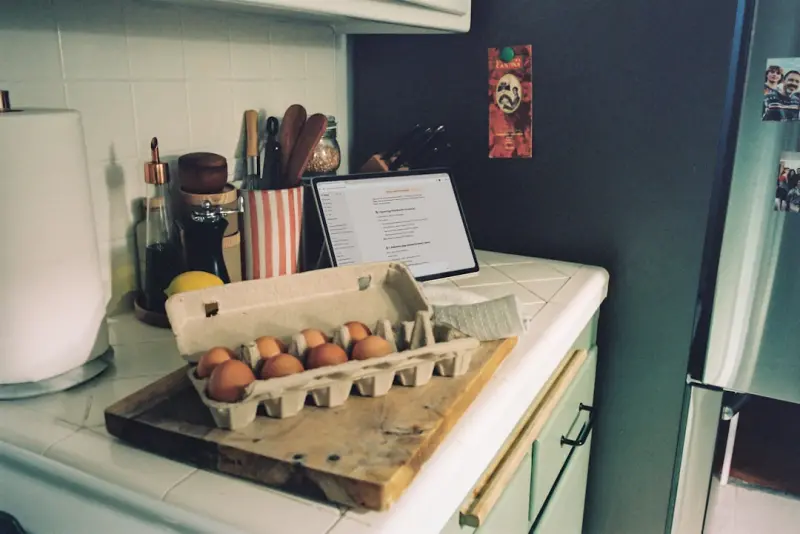
When I first started treating my apartment like a series of purpose‑driven pockets, the chaos that used to dominate each room melted away, leaving a sense of calm that felt almost tangible. By carving out mini‑zones—a reading nook beside the sofa, a tiny craft corner in the hallway, a dedicated coffee station on the kitchen counter—I discovered that each functional fragment could breathe without crowding the whole, turning everyday routines into intentional rituals. This approach doesn’t require a complete overhaul; a simple re‑layout of furniture and a few thoughtful accessories are enough to transform a generic layout into a series of inviting, purpose‑filled spaces.
Choosing Multipurpose Furniture That Works
One of the biggest hurdles in mini‑zone design is finding pieces that serve more than one role without looking like a makeshift solution, and my favorite trick is to prioritize furniture with built‑in storage or convertible features. A sleek ottoman that opens to hide blankets, a desk that folds into the wall, or a bookshelf that doubles as a room divider can instantly free up floor space while adding visual interest. I learned that investing in quality, adaptable pieces pays dividends in both aesthetics and functionality, especially when each item can seamlessly transition from one zone to another throughout the day.
Lighting Strategies for Every Mini‑Zone
Lighting is the silent architect of mood, and by assigning a distinct light source to each mini‑zone, you can cue your brain for specific activities without a single word. For my reading nook, a warm, adjustable floor lamp creates a cozy cocoon, while the kitchen coffee station benefits from bright, cool LED strips that enhance alertness. If you’re looking for inspiration on how to layer illumination, the article on simple lighting hacks offers practical ideas that blend style with function, ensuring every corner shines just right.
Smart Storage: Hidden Solutions
Clutter is the enemy of serenity, and the secret to a tidy mini‑zone lies in storage that remains out of sight yet easily reachable, a principle I apply by using under‑seat baskets, magnetic spice racks on the backsplash, and wall‑mounted pegboards that hide tools behind decorative frames. When each zone has a dedicated, concealed home for its essentials, you avoid the visual noise that can derail focus and relaxation. The key is to think vertically and horizontally—utilize the space above doorways and the space beneath sofas—to keep surfaces clear and minds calm.
Introducing Green Touches Without Overwhelm
Bringing a touch of nature into each mini‑zone doesn’t mean filling the room with jungle‑sized plants; instead, I opt for a few low‑maintenance succulents, a hanging fern, or a single herb pot that doubles as a kitchen garnish source. These green accents purify the air, add subtle texture, and create a visual anchor that ties the zones together without stealing the spotlight. By rotating the plants seasonally, you keep the décor fresh and engage with the natural rhythm of growth, turning a simple habit into a source of ongoing inspiration.
Soundscapes that Support Focus and Relaxation
Just as lighting shapes visual perception, sound molds emotional states, and I’ve found that pairing each mini‑zone with a subtle auditory cue can dramatically boost its effectiveness. A soft white‑noise machine behind the meditation corner drowns out city chatter, while a gentle playlist of instrumental tunes in the craft area keeps creativity flowing without distraction. The strategic use of sound transforms ordinary corners into immersive experiences, making it easier to slip into work mode or unwind with minimal effort.
Personalizing with Textiles and Color Pops
Textiles are the most economical way to inject personality into a mini‑zone, and I love layering a patterned throw, a vibrant cushion, or a woven rug that speaks to the function of the space while harmonizing with the overall palette. A splash of bold color in a tiny desk area can stimulate productivity, whereas muted earth tones in a reading nook invite relaxation; the contrast creates a rhythm that guides your movement through the home. By swapping out these soft elements seasonally, you keep the environment dynamic without the need for major renovations.
Maintaining the Flow: Daily Rituals
Designing mini‑zones is only half the journey; the real magic happens when you develop simple daily habits that preserve their purpose and cleanliness, a habit I call the “two‑minute reset.” After each activity—whether it’s brewing coffee, finishing a craft project, or closing a book—I spend a brief moment returning items to their hidden homes, wiping surfaces, and resetting lighting or sound settings for the next use. This micro‑routine aligns with the insights from the quick home maintenance blueprint, ensuring that the zones remain functional and inviting without demanding hours of upkeep.
Putting It All Together: A Mini‑Zone Checklist
To help you launch your own series of purposeful pockets, I’ve compiled a quick checklist: define the activity for each zone, select multipurpose furniture, assign a dedicated light source, incorporate concealed storage, add a modest plant, choose a subtle sound element, personalize with textiles, and commit to a two‑minute daily reset. By following these steps, you’ll create a home that feels larger, more organized, and deeply aligned with your lifestyle, turning ordinary rooms into curated experiences that support both productivity and peace of mind.

In the world of freelance writing, where creativity and adaptability are paramount, Michelle Fisher stands out as a dedicated and versatile professional. With a passion for crafting compelling narratives and a keen eye for detail, Michelle has established herself as a trusted voice.
Related Posts
The Ultimate Entryway Makeover: Turn Your Front Door Into a Functional Hub
A cluttered entryway drains energy; a well‑designed one boosts mood and efficiency. Learn how to d... Read More
Smart Micro‑Design Hacks for a More Functional Home
Learn how small, intentional tweaks—from corridor galleries to budget‑friendly air purifiers—c... Read More
Transform Your Living Room into a Hybrid Hub for Work and Life
Learn how to redesign your living room into a purposeful hybrid hub with zoning, multitasking furnit... Read More
Top Posts

Riding Google’s AI Wave: A Human‑First Marketer’s Playbook
Learn to surf Google’s AI wave by prioritizing empathy, storytelling, and flexible content—turning algorithmic changes into growth opportunities for your br...Read More

The Journey as a Lab: Turning Travel Into a Growth Engine
Travel isn’t just a break—it’s a laboratory for personal and professional growth. Learn how to turn every trip into a story‑weaving, skill‑building, a...Read More

The Untapped Power of SEO for SaaS Product Documentation
Treat your SaaS documentation as a primary SEO asset. Learn structured data, keyword research from support data, micro‑content tactics, and a 7‑day sprint t...Read More

Why Edge Computing Is the Next Frontier for Real‑Time Innovation
Edge computing brings processing close to data sources, slashing latency and enabling instant insights. Learn how this shift fuels real‑time innovation across...Read More
0 Comments
Post Comment
You will need to Login or Register to comment on this post!