
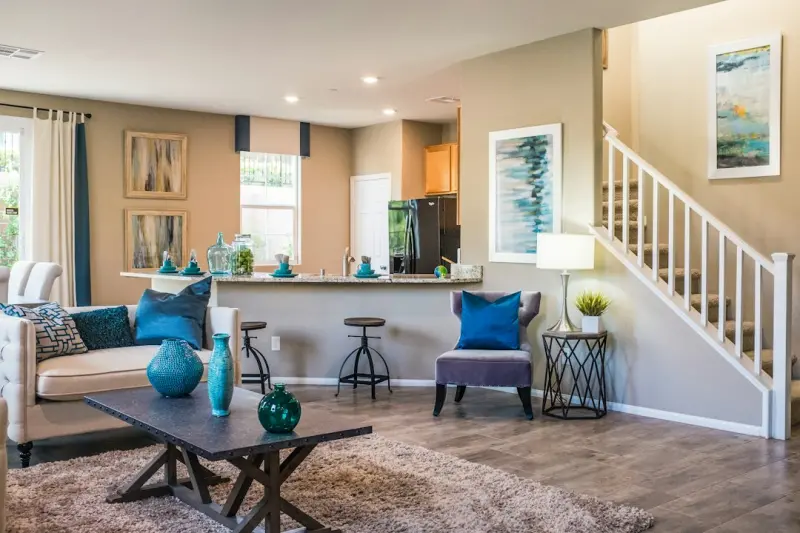
Welcome to Your Personal Calm Corner
Ever walked into a room and felt the stress of the day melt away? That’s not magic—it’s the result of intentional, low‑effort tweaks that reshape the atmosphere of your home. I’m Michelle, and over the past few years I’ve turned my living space into a laboratory for everyday serenity. In this post I’ll share the exact moves that helped me create a calm home hub without a massive renovation budget, and without the need for trendy buzzwords.
1. Harness the Power of Natural Light
Sunlight is the original mood‑enhancer. When I first moved into my current apartment, the living room was a dim, boxed‑in space that seemed to suck the energy right out of me. Instead of splurging on fancy smart bulbs, I focused on three simple strategies:
- Re‑position furniture. By moving the sofa away from the wall and angling it toward the largest window, I invited more daylight to bounce across the room.
- Swap heavy drapes for sheer panels. Sheer fabrics filter light, reducing glare while preserving privacy. The result is a soft, diffused glow that feels both bright and soothing.
- Add reflective surfaces. A strategically placed mirror opposite a window can double the amount of light flooding a room, making it feel larger and more inviting.
These adjustments didn’t cost more than a weekend’s worth of DIY time, yet the impact on my daily mood was immediate. I found myself reaching for a book instead of scrolling endlessly on my phone during morning coffee.
2. Curate a Soundscape That Works for You
Noise is the silent stressor most of us ignore. Whether it’s traffic from the street or the hum of appliances, unwanted sounds can drain mental energy. I tackled this in two phases:
- Soft furnishings. Adding a plush rug, heavy curtains, and upholstered chairs absorbs sound reflections. The result is a quieter, more intimate space.
- Targeted acoustic panels. You don’t need a recording studio to benefit from acoustic treatment. Simple DIY panels made from dense foam or recycled denim can be mounted behind a TV or on a bedroom wall to dampen echo.
For a quick win, I placed a small bookshelf filled with books and decorative items against a bare wall. The varied textures break up sound waves, creating a natural sound‑absorbing barrier.
3. Introduce Gentle Scent Without Overwhelming
Scent is a powerful, often underused tool for setting the tone of a room. While I love the idea of aromatherapy, I keep it subtle. A single essential‑oil diffuser with a light citrus blend can invigorate a workspace, whereas lavender or chamomile works wonders in a bedroom.
Curious about how scent can be woven into daily routines? Check out this guide on Aromatherapy for home focus, which shows how a few drops can turn a regular evening into a restorative ritual.
4. Declutter with Purpose, Not Perfection
Most “declutter” advice feels like a one‑size‑fits‑all checklist. I discovered that the key is to declutter by function rather than by sheer volume. Here’s my three‑step approach:
- Identify the room’s primary purpose. A living room that doubles as a home office needs a clear separation of work and leisure zones.
- Group items by activity. Keep reading material, tech accessories, and relaxation items in distinct containers or baskets.
- Set a “one‑in, one‑out” rule. Whenever you bring a new item into the space, remove an existing one that no longer serves its purpose.
This method helped me keep my kitchen counters clear, which in turn made cooking feel less stressful and more enjoyable.
5. Create Micro‑Zones for Specific Needs
Rather than attempting to redesign the whole home, I focused on carving out small, purpose‑driven zones. A reading nook beside a sunny window, a meditation corner with a floor cushion and a single plant, and a quick‑snack station in the hallway have each become go‑to spots that support my lifestyle.
These zones are defined not by walls, but by a few thoughtful elements: a small lamp, a dedicated rug, or a simple piece of art. The visual cue tells my brain, “Okay, I’m in a different mode now.”
6. Leverage Technology for Ambient Comfort
Smart home devices can enhance comfort without feeling intrusive. I use a programmable thermostat that adjusts temperature based on occupancy patterns, and a voice‑activated plug to turn on a white‑noise machine at bedtime. The goal isn’t a fully automated house, but a set of tools that reduce friction in everyday routines.
7. Invite Nature Inside
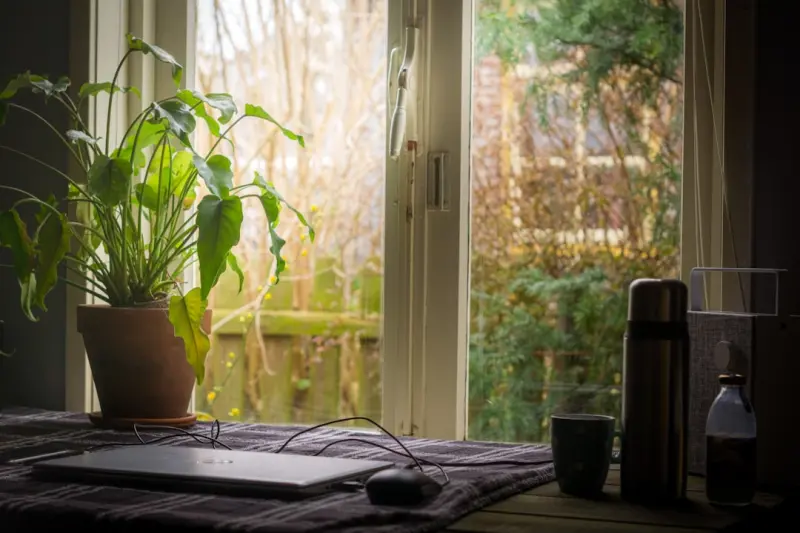
Plants aren’t just décor; they actively improve air quality and mood. I started with low‑maintenance varieties—snake plant, pothos, and ZZ plant—because they thrive on neglect. Placing them near windows or in corners where they can catch sunlight adds a touch of green that feels restorative.
Don’t have a green thumb? Try a succulent terrarium on a side table. It requires minimal watering and still delivers that calming, natural vibe.
8. Use Color Intentionally
Color psychology is real, but the trick is to avoid extremes. I opted for a base palette of soft neutrals—warm whites, gentle greys, and muted beiges—then introduced accent colors through pillows, throws, or a single statement wall. A muted teal or sage green works wonders for creating a tranquil backdrop without overwhelming the senses.
9. Personalize with Meaningful Objects
Our homes should feel like extensions of our stories. I display a few treasured items—travel souvenirs, family photos, a hand‑carved wooden spoon—that evoke happy memories. These objects act as anchors, reminding us of the larger narrative beyond daily tasks.
10. Turn Routine Tasks into Mini‑Rituals
Even mundane chores can become moments of calm when paired with intentional habits. I set a timer for a 10‑minute “tidy‑up” session while playing a gentle playlist. The music cues a shift in mindset, turning cleaning into a calming ritual rather than a dreaded duty.
Putting It All Together: A Sample Day in My Calm Home Hub
Morning: Sunlight streams through sheer curtains as I stretch on my yoga mat placed on a soft rug. A diffuser releases a whisper of citrus, energizing my senses.
Mid‑day: I transition to the reading nook, a plush armchair with a small side lamp. The acoustic panels on the adjacent wall keep the space quiet, allowing me to lose myself in a book.
Afternoon: The kitchen counter remains clear, thanks to the “one‑in, one‑out” rule. I prep a simple lunch while a plant on the windowsill watches over me.
Evening: I dim the lights, turn on a low‑volume white‑noise machine via voice command, and settle into my bedroom’s meditation corner. A lavender scent lingers, signaling it’s time to unwind.
These micro‑adjustments have transformed my home from a series of rooms into a cohesive sanctuary that supports focus, relaxation, and creativity.
Bonus: How Data Can Inform Home Comfort (Yes, Really)
While I’m not a tech guru, I’ve found that simple data tracking can highlight patterns that improve home life. For instance, logging temperature preferences or light exposure over a week helped me fine‑tune my thermostat schedule and window‑covering routine. If you’re curious about turning everyday observations into actionable insights, see how Turning data into actionable home insights can be applied beyond the office.
Final Thoughts
Creating a calm home hub isn’t about buying the latest gadgets or following every interior‑design trend. It’s about listening to what your space needs, making small, intentional changes, and allowing those adjustments to ripple throughout your day. Start with one or two ideas from this list, observe the effect, and iterate. Before long, you’ll notice a subtle but profound shift in how your home supports your well‑being.

In the world of freelance writing, where creativity and adaptability are paramount, Michelle Fisher stands out as a dedicated and versatile professional. With a passion for crafting compelling narratives and a keen eye for detail, Michelle has established herself as a trusted voice.
Related Posts
The Ultimate Kitchen Command Center: Streamline Meal Prep and Reduce Clutter
Creating a kitchen command center transforms your cooking space into a well‑organized hub, saving ... Read More
Turn Your Kitchen Into a Stress‑Free Command Center
A step‑by‑step guide to turning a chaotic kitchen into a calm, efficient command center, featuri... Read More

Turn Your Home Into a Low‑Stress Powerhouse with Simple Systems
Learn how to map energy flow, create micro‑zones, and use affordable automation to transform your ... Read More
Top Posts

Breathing Life into Remote Work: Simple Practices for Sustainable Well‑Being
Remote work can drain energy and focus, but simple breathing exercises and micro‑stretch routines can restore vitality. Karen Edwards shares evidence‑based ...Read More

Zero‑Party Data: The New Engine Driving Trust‑Centric Digital Marketing
Zero‑party data lets marketers capture explicit customer preferences, turning consent into actionable insights that boost conversions, enhance personalization...Read More
Soundproof Your Home Office Without Breaking the Bank
Discover practical, low‑cost methods to seal gaps, add mass, and absorb sound, turning any noisy corner into a calm, professional home office....Read More
Breathwork, Green Spaces, and Nutrition: A Remote Worker’s Health Blueprint
A comprehensive guide for remote professionals that blends simple breathing techniques, indoor plant benefits, and brain‑fueling nutrition to boost focus, red...Read More
0 Comments
Post Comment
You will need to Login or Register to comment on this post!