
The Long Train Ride: Turning Slow Transit into a Power‑Play for Modern Professionals
There’s a quiet revolution humming along the rails of Europe, Asia, and even parts of North America. While most of us still picture the airplane as the epitome of fast‑track travel, a growing cadre of high‑performers is swapping jet‑lag for the gentle sway of a locomotive. The long‑distance train, once dismissed as a nostalgic relic, is re‑emerging as a strategic workspace, a wellness sanctuary, and a creative incubator—all rolled into one.
In my own experience, the moment the train clicks out of the station, the world outside becomes a moving canvas. The rhythm of the wheels, the subtle changes in scenery, and the predictable schedule combine to form a unique environment where focus sharpens, ideas blossom, and stress melts away. Below, I’ll walk you through why embracing the train as your next‑generation office can give you a competitive edge, and how to design the perfect rail‑based routine.
1. The Science of Slow Transit
Our brains are wired for novelty, but they also crave predictable patterns. The steady cadence of a train provides just that—a “low‑frequency stimulus” that keeps the brain engaged without the sensory overload of an airport terminal. Research in cognitive ergonomics shows that a consistent, low‑intensity auditory backdrop (the clack‑clack of tracks) can enhance working memory and reduce cortisol spikes associated with stress.
- Predictable flow: Unlike the chaotic scramble of security lines, the train’s timetable is transparent. You know exactly when you’ll be moving, when you’ll be stationary, and when you can expect a brief pause at a station.
- Ambient motion: The subtle motion of the carriage triggers vestibular stimulation, which has been linked to improved spatial reasoning—perfect for strategic planning or design thinking.
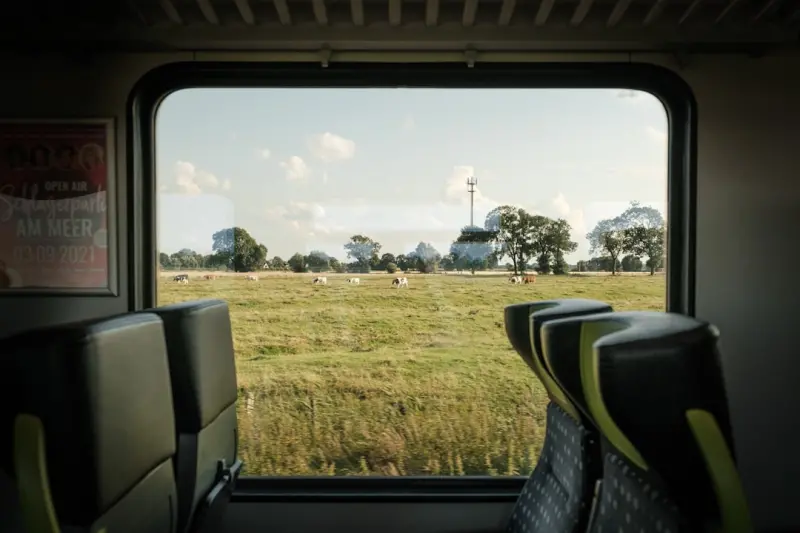
- Scenic immersion: Changing vistas provide natural “micro‑breaks,” allowing the brain to reset without the need for a coffee‑shop detour.
2. Setting Up Your Mobile Office
Transforming a train cabin into a productive hub doesn’t require a full‑blown office suite. Here’s a minimalist checklist that fits into a standard carry‑on:
- Compact laptop or tablet: A 13‑inch device with a detachable keyboard balances power and portability.
- Noise‑cancelling earbuds: Pair them with a curated playlist of instrumental tracks or white‑noise to amplify the train’s natural rhythm.
- Portable charger (or power bank): While many modern trains offer power outlets, a backup ensures you never lose momentum.
- Digital notebook: Tools like Notion or Roam Research sync across devices, letting you capture ideas the moment inspiration hits.
- Travel‑friendly standing desk accessory: A lightweight, fold‑up laptop stand can improve posture during those longer stretches.
Pro tip: Reserve a window seat. The view isn’t just aesthetic; it acts as a live “digital detox” cue, nudging you to glance away from the screen and reset your visual focus.
3. Structuring Your Day on the Rails
Unlike the erratic schedule of flights, train journeys offer a clear timeline you can map out in advance. Below is a sample 8‑hour itinerary that balances deep work, reflection, and rejuvenation:
- 0–30 min – Arrival & Setup: Set up your workspace, connect to Wi‑Fi (if available), and outline the day’s objectives.
- 30–90 min – Power‑Block #1: Dive into high‑cognitive tasks—writing, data analysis, or strategic planning. Use the train’s motion as a background metronome.
- 90–105 min – Micro‑Break: Look out the window, stretch, or sip tea. This short visual break boosts dopamine.
- 105–180 min – Power‑Block #2: Continue with deep work or switch to collaborative tasks via video calls—most high‑speed trains now provide reliable connectivity.
- 180–195 min – Lunch Pause: Walk the aisle, grab a local snack, and engage with fellow passengers. Unexpected conversations can spark Strategic Serendipity that fuels future projects.
- 195–270 min – Creative Sprint: Switch to brainstorming, sketching, or mind‑mapping. The ever‑changing landscape serves as a visual prompt.
- 270–285 min – Reflection: Jot down key takeaways in your digital notebook. Review progress against morning goals.
- 285–360 min – Wind‑Down & Planning: Tidy up, sync notes to the cloud, and set priorities for when you reach your destination.
Adjust the blocks based on your travel length, but the core principle remains: blend focused work with intentional pauses that leverage the train’s unique environment.
4. Harnessing the “Travel‑to‑Creativity” Feedback Loop
Travel, at its core, is an exercise in perspective‑shifting. The long train ride amplifies this effect by providing a sustained period of “in‑between” time—neither home nor destination. This liminal space is fertile ground for creative breakthroughs.
When you combine the sensory rhythm of the journey with purposeful reflection, you trigger a loop:
- Observation: New landscapes stimulate curiosity.
- Interpretation: Your brain subconsciously maps these visuals onto current challenges.
- Ideation: Fresh analogies emerge—perhaps a mountain range reminds you of a market segmentation problem.
- Application: You translate the insight into actionable strategies once you arrive.
To make this loop explicit, consider keeping a Travel Insight Log. Every 60‑90 minutes, write a one‑sentence note about something you observed and a potential connection to your work. Over the course of the journey, you’ll accumulate a trove of ideas that feel both organic and highly relevant.
5. The Social Dimension: Networking Without the Pitch
One of the most under‑utilized aspects of train travel is the chance to engage in authentic, low‑pressure conversations. Unlike the hustle of airport lounges, train carriages foster a communal vibe—people share tables, swap stories, and often linger longer.
Approach these interactions with a mindset of curiosity rather than a sales agenda. Ask about a passenger’s hometown, favorite food, or travel story. You’ll discover common threads that can later translate into collaborations, partnerships, or even future client leads—naturally and without the hard‑sell.
For a deeper dive into turning travel moments into professional fuel, see the piece on The Sensory Passport. It offers practical exercises you can integrate into your own journey.
6. Staying Healthy on the Rails
Long periods of sitting can negate the mental benefits of a train ride. Here are three health hacks to keep you feeling sharp:
- Micro‑stretch series: Every 45 minutes, stand, roll your shoulders, and do a brief calf stretch. The carriage’s gentle rocking assists in maintaining balance.
- Hydration ritual: Keep a reusable bottle at your side. Sip water consistently to stay hydrated and support cognitive function.
- Mindful breathing: Practice a 4‑7‑8 breath pattern during scenic stretches. This simple technique reduces anxiety and improves focus.
7. Choosing the Right Train Experience
Not all trains are created equal. When selecting a route, consider these factors:
- Wi‑Fi reliability: High‑speed services in Western Europe and East Asia usually offer robust connections.
- Seating layout: Look for “quiet” or “business” compartments that provide extra power outlets and a calmer atmosphere.
- Scenic value: Routes like the Alpine panoramas, the Trans‑Siberian, or the Pacific Coast line combine productivity with visual inspiration.
8. Overcoming Common Objections
“I can’t get work done without a traditional office.” The train’s environment actually reduces distractions. By pre‑planning tasks and setting clear goals, you harness the natural focus the motion provides.
“I need reliable internet for client calls.” While not every route offers flawless connectivity, many premium services now provide LTE‑backed Wi‑Fi. As a backup, download meeting materials offline and use your mobile hotspot as a fail‑safe.
“I’m not comfortable with the noise.” High‑quality noise‑cancelling earbuds or headphones turn the ambient sounds into a private soundscape, allowing you to dictate the auditory environment.
9. The Future of Mobile Work: Train‑Centric Hubs
As remote work solidifies its place in the corporate landscape, transportation companies are beginning to treat trains as extensions of the office. Expect to see:
- Dedicated “co‑working” carriages with ergonomic seats, private phone booths, and premium power infrastructure.
- Integrated calendar syncing that suggests optimal work blocks based on the train’s speed and upcoming scenery.
- Partnerships with SaaS platforms offering in‑transit analytics dashboards tailored for “rail‑based” workflows.
These innovations will further blur the line between travel and work, making the long train ride not just a stopgap solution but a central pillar of modern professional life.
10. Your First Step: Book a Scenic Route
If you’ve never tried the train as a workspace, start small. Choose a route that’s 3‑4 hours long, pack your minimalist office kit, and commit to one day of focused work. Track your productivity, note any insights, and iterate on your routine. You might be surprised at how a simple change of scenery can unlock a new level of performance.
Travel, after all, is more than a change of location—it’s a catalyst for transformation. By re‑imagining the long train ride as a strategic advantage, you turn transit time into a competitive edge, a wellness boost, and a wellspring of fresh ideas.

David Moore is a freelance writer specializing in two dynamic and ever-evolving fields: gambling and the tech industry. With a keen eye for detail and a knack for unraveling complex topics, David delivers insightful and engaging content that keeps readers informed and entertained.
Related Posts

Rediscovering the Romance of Regional Rail: A Journey Beyond the Airport
A fresh take on travel, this post invites readers to embrace regional rail, highlighting its environ... Read More

Turning Travel Into a Portable Innovation Lab
Discover a fresh approach to travel that transforms downtime into a structured innovation lab, boost... Read More

Micro‑Adventures: Small Escapes, Big Impact
Explore the rise of micro‑adventures, practical planning tips, and why tiny trips are reshaping mo... Read More
Top Posts

Unlocking the Hidden Power of Google Workspace AI for SaaS Teams
Learn how to harness Google Workspace’s AI capabilities—Smart Compose, Explore, and Meeting Recaps—to accelerate product cycles, improve data insights, an...Read More
Unlocking the Power of Visual Search: A New SEO Playbook
Learn why visual search is the next SEO frontier and get a step‑by‑step guide to optimizing images, using schema, and leveraging AI for higher rankings....Read More

Google’s Search Generative Experience: Rethinking SaaS Discovery
Google’s Search Generative Experience transforms SERPs into AI‑driven answers, forcing SaaS marketers to pivot from traditional SEO to structured, conversat...Read More

Riding Google’s AI Wave: A Human‑Centric Marketer’s Blueprint
Learn to blend Google’s AI power with authentic storytelling. This guide offers real‑world tactics, a voice‑library method, and an actionable checklist fo...Read More
0 Comments
Post Comment
You will need to Login or Register to comment on this post!