
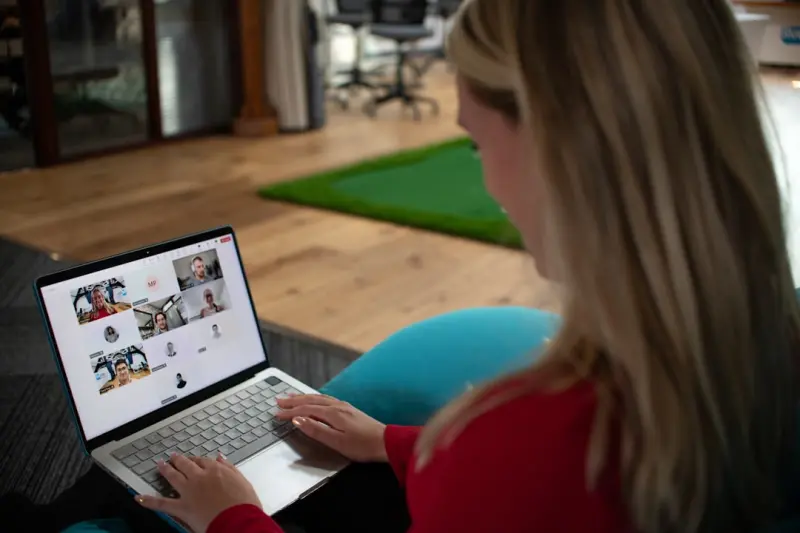
When the line between home and office blurs, the subtle aches of a sedentary lifestyle start to whisper louder. Remote workers, once celebrated for the freedom to work in pajamas, are now discovering that the true freedom they crave is the ability to move without feeling guilty or disconnected. This isn’t about a quick‑fire fitness app or a one‑off yoga session; it’s about weaving movement into the social fabric of a distributed team so that health becomes a shared experience, not a solo mission.
Why Movement Needs a Community Lens
Human beings are wired for connection. In the pre‑digital age, a coffee break meant gathering around a kitchen table, swapping stories, and stretching after a long day of standing on a factory floor. Those spontaneous moments of collective motion—whether it was a quick walk to the mailbox or a group dance at a wedding—served as natural resets for the body and mind.
Today, the “break” has been digitized into a silent scroll of emails or a quick meme in Slack. The physical cue that once signaled the need to move is missing, and the result is a cascade of health issues: increased lower‑back pain, reduced cardiovascular fitness, and heightened stress levels. The solution lies not in forcing individuals to schedule personal workouts, but in re‑creating the communal rhythm that once kept us active.
Designing a Shared Movement Challenge
Building a movement challenge that resonates across time zones and cultures involves three core pillars: simplicity, visibility, and celebration. Below is a step‑by‑step framework you can roll out in any organization, regardless of size.
- Start with a Simple Goal. Aim for a universally achievable target, such as “10,000 steps a day” or “five minutes of standing every hour.” Avoid jargon; the goal should be instantly understandable.
- Make It Visible. Use a shared dashboard—think a public Google Sheet, a Trello board, or an integrated SaaS widget—that logs each participant’s progress in real time. Visibility fuels accountability and sparks friendly competition.
- Encourage Micro‑Movements. Not everyone can carve out a 30‑minute jog. Encourage micro‑movements like desk stretches, hallway laps, or stair climbs. When the goal is broken into bite‑sized actions, participation soars.
- Celebrate Milestones. Public shout‑outs, digital badges, or a weekly “movement champion” spotlight turn effort into recognition. Celebrate both individual wins and team averages to keep the morale high.
- Iterate Based on Feedback. After the first month, gather insights: Which activities felt inclusive? Which times of day were most active? Use this data to refine the challenge for the next round.
The beauty of this approach is that it transforms movement from a solitary chore into a shared cultural norm. When the entire team sees colleagues standing up for a quick stretch or logging a sunrise walk, the act becomes contagious.
The Science Behind Community‑Driven Movement
Research in behavioral psychology consistently shows that social proof—a person’s tendency to mimic the actions of others—significantly boosts habit formation. In a remote setting, the lack of physical co‑presence reduces this effect, but digital cues can fill the gap. A live dashboard that flashes green when a colleague hits their step count sends a subtle nudge to others to follow suit.
Moreover, studies on collective efficacy reveal that teams who believe in their shared ability to achieve a health goal experience lower stress and higher job satisfaction. This is where the intersection of health and productivity truly shines: when employees feel physically empowered, their cognitive bandwidth for work expands.
Leveraging Technology Without Overloading
While it might be tempting to introduce a suite of new fitness trackers, the most effective solutions are those that integrate seamlessly with existing tools. Many organizations already use platforms like Slack, Microsoft Teams, or Asana. Adding a simple bot that prompts a “stand‑up reminder” or a channel dedicated to sharing movement wins can be enough to spark a habit.
However, technology should remain a facilitator, not a distraction. Over‑instrumentation can lead to the very problem we aim to solve: screen fatigue. The goal is to reduce screen time, not add more. Keep notifications minimal, and encourage offline activities whenever possible.
Integrating Biofeedback for Deeper Insight
For teams that want to dive a little deeper, integrating biofeedback tools can provide real‑time insights into stress and recovery. Devices that track heart‑rate variability (HRV) or breathing patterns can alert users when they’re slipping into a high‑stress state, prompting a quick walk or a deep‑breathing break. If your organization already uses wellness platforms, explore adding a real-time stress mastery component to your movement challenge.
Importantly, biofeedback should be presented as an optional, personal tool rather than a mandatory metric. Respecting privacy while offering actionable data empowers individuals to make informed choices about their own health.
Creating a Mindful Sanctuary at the Desk
Movement isn’t limited to the body; it also extends to the mental environment. A tidy, inviting workspace can subtly encourage posture changes and movement. Encourage team members to personalize their desks with plants, standing mats, or ergonomic accessories. For those who can’t redesign their home office, suggest a quick “mindful sanctuary” reset: a five‑minute window to declutter the digital desktop, stretch, and breathe.
Read more about creating a calming environment in our guide on mindful sanctuary practices.
Case Study: The “Step‑Sync” Challenge at a Mid‑Size SaaS Firm
One of our partner SaaS companies recently piloted a 30‑day “Step‑Sync” challenge across its 120 remote employees. Here’s a snapshot of the results:
- Participation Rate: 92% logged at least one activity per day.
- Average Daily Steps: Increased from 4,200 to 7,800.
- Self‑Reported Energy Levels: 78% of participants felt more energized during afternoon meetings.
- Team Cohesion Score: A post‑challenge survey showed a 15% uplift in perceived team camaraderie.
The secret sauce? A simple Slack bot that posted a “move‑it‑minute” reminder at random times, and a weekly “movement highlight” reel where volunteers shared short clips of their walks, dance breaks, or pet‑led stretches. The initiative required minimal budget—just a free dashboard template and a bit of creative copywriting—but delivered measurable health and morale benefits.
Addressing Common Challenges
Time Zone Differences. Schedule “global movement windows” that overlap for most regions, or allow asynchronous logging so each participant can contribute whenever it fits their day.
Physical Limitations. Offer alternatives like seated yoga, gentle stretching, or breathing exercises. The goal is inclusivity; movement isn’t a one‑size‑fits‑all proposition.
Data Privacy. When tracking steps or activity, ensure data is stored securely and anonymized for any public dashboards. Transparency about what is collected and how it’s used builds trust.
From Challenge to Culture
For the movement initiative to transcend a one‑off event, embed it into the company’s cultural DNA. Here are three long‑term tactics:
- Quarterly “Movement Audits.”strong> Review participation metrics and gather feedback to iterate on the challenge design.
- Leadership Participation. When executives join the walk‑and‑talk meetings or post their stretch videos, it signals that health is a priority at all levels.
- Cross‑Departmental Collaboration. Pair up departments for “movement duels” where each team aims to out‑step the other, fostering friendly rivalry and cross‑team interaction.
When movement becomes a conversation starter at the virtual water cooler, it naturally influences other aspects of well‑being—from nutrition to mental health practices.
Measuring Impact: Beyond the Step Count
While step totals are an easy metric, true health impact is multifaceted. Consider tracking these additional indicators:
- Self‑Rated Stress Levels. Short weekly surveys can capture perceived stress before and after the challenge.
- Productivity Markers. Monitor meeting engagement scores or task completion rates for any positive correlation.
- Retention and Satisfaction. A healthier work environment often translates to higher employee retention and Net Promoter Scores (NPS).
When data shows that a shared movement program improves both health and business outcomes, it becomes a compelling case study for leadership buy‑in and future investment.
Take the First Step Today
Whether you’re a team lead, HR champion, or a passionate employee eager to spark change, the path to a healthier remote workforce starts with a single, intentional move. Draft a simple challenge, rally your colleagues, and watch as the collective energy transforms from sedentary to vibrant.
Remember: health isn’t a solitary sprint; it’s a marathon we run together—virtually or in person. By turning movement into a shared cultural ritual, you’re not just reducing aches and boosting fitness; you’re cultivating a resilient, connected, and thriving team ready to tackle any challenge that comes their way.

Margaret Thomson is a seasoned freelance writer specializing in the dynamic worlds of marketing and advertising. With a career deeply rooted in the marketing field, Margaret brings a wealth of practical experience and insightful knowledge to her writing.
Related Posts

The Hidden Health Benefits of Digital Minimalism
Digital minimalism isn’t about abandoning tech; it’s about curating it to protect your gut, brai... Read More
Screen Fatigue Survival: Nutrition, Movement, and Mindset for SaaS Professionals
Learn how to protect your eyes, brain, and body from relentless screen time with practical nutrition... Read More
Why Community-Driven Fitness Is the Next Health Revolution
Discover the power of community-driven fitness, where neighborhoods become health hubs, leveraging m... Read More
Top Posts
Digital Detox for Knowledge Workers: Reclaiming Focus and Vitality
A data‑driven guide for knowledge workers to implement intentional digital boundaries, integrate purposeful movement, and foster a culture of healthy connecti...Read More

Crafting a Calm, Productive Sanctuary at Home
Discover practical steps to turn any house into a calm, productive sanctuary—zone planning, layered lighting, acoustic fixes, low‑maintenance greenery, and ...Read More

Travel as a Living Lab: Sustainable Tech, Community, and Real‑Time Exploration
Learn how to blend sustainable practices, edge‑enabled tools, and genuine community connections into your travels, turning each trip into a growth‑driving e...Read More
Edge Computing Meets SaaS: A Blueprint for Lightning‑Fast User Experiences
Edge computing brings compute closer to users, slashing latency and improving reliability for SaaS products. This guide outlines a practical playbook, real‑wo...Read More
0 Comments
Post Comment
You will need to Login or Register to comment on this post!