

Welcome to my little corner of home‑harmony, where I share the quirks, experiments, and small victories that turn a house into a place you actually want to come back to after a long day. I’m Rose, and I’ve spent the past decade juggling remote work, a growing plant family, and the relentless quest for a space that feels both functional and soulful. Below you’ll find a roadmap of practical, yet delightfully unexpected, tips that have helped me reclaim calm, boost creativity, and keep the chaos at bay—all without needing a PhD in interior design.
1. Redefine Your “Entryway” as a Mindful Buffer Zone
Most of us treat the front door like a traffic funnel: shoes go in, mail gets dumped, and we’re out the back door in a hurry. I decided to flip that script by turning the entryway into a buffer zone that signals a transition from the outside world to the sanctuary inside. Here’s how:
- Dedicated Drop‑Off Tray: Instead of a cluttered table, I placed a sleek bamboo tray near the door. It becomes the home for keys, wallets, and that ever‑present stack of mail. The visual cue of “everything has a place” instantly eases the mental load.
- Gentle Lighting: A warm, dimmable lamp with a soft amber hue greets you after sunset. It tells your brain, “It’s time to unwind,” without the harsh glare of overhead LEDs.
- Scented Welcome: A small diffuser with a hint of cedarwood or citrus works wonders. Scents are powerful anchors for mood, and a pleasant aroma can start your home‑coming ritual on a positive note.
When you step through that doorway, you’re not just crossing a threshold; you’re signaling to yourself that the hustle ends here. It’s a tiny psychological hack that makes a massive difference.
2. The “Two‑Minute Tidy” Routine for Every Room
We’ve all heard of the “15‑minute clean,” but the reality is that most of us never get there. I introduced a Two‑Minute Tidy after each major activity (cooking, work session, bedtime). Set a timer, and focus on one visible surface: a kitchen counter, a desk, a nightstand. If you can clear it in two minutes, you’re more likely to stick with it.
Why it works:
- Low Barrier to Entry: Two minutes feels doable, even on the busiest days.
- Momentum Builder: Completing a quick win fuels motivation for longer tasks later.
- Visual Calm: A tidy surface instantly reduces visual noise, which is a silent stressor.
Give it a try for a week, and notice how the cumulative effect feels like a light‑bulb moment for your entire home’s energy.
3. Curate “Micro‑Zones” for Focus and Relaxation
Instead of designating whole rooms for single purposes, I carved out micro‑zones—small pockets that serve a clear function. Think of a corner of the living room that’s always your reading nook, or a windowsill that’s exclusively a plant sanctuary.
Here’s my favorite trio:
- The “Sip & Sketch” Corner: A small side table, a favorite mug, a sketchpad, and a set of colored pens. I retreat here for five minutes of doodling whenever a brainstorming session stalls.
- The “Zen Plant Shelf”: A narrow floating shelf that holds my low‑maintenance succulents. I water them weekly, and the ritual grounds me before I start work.
- The “Tech‑Free Tray”: A wooden tray on the bedroom nightstand that holds a candle, a book, and a journal—no screens allowed. It’s my cue to transition from scrolling to sleeping.
These micro‑zones are low‑commitment, high‑impact. They give you a physical reminder to switch gears, which is priceless when your mind is on autopilot.
4. Harness the Power of “Reverse Decluttering”
When the idea of letting go feels overwhelming, I flip the script: instead of asking “What can I remove?” I ask “What can I add that serves a purpose?” This approach led me to introduce a few intentional pieces that actually reduced clutter.
Examples:
- Multi‑Function Furniture: A storage ottoman that doubles as extra seating. It tucks blankets, magazines, and even my ever‑present remote control out of sight.
- Rolling Carts: A slim, three‑tier cart that slides under the kitchen island. It houses my coffee supplies, making the countertop clearer.
- Label‑Ready Bins: Transparent bins with simple labels (e.g., “Bills,” “Crafts”). When you can see at a glance where things belong, you’re less likely to create random piles.
By focusing on purposeful additions, you naturally phase out items that no longer fit, creating a more curated environment without the guilt of “getting rid of stuff.”
5. Optimize Air Quality with a DIY “Green Filter”
Good air isn’t just a luxury; it’s a foundation for health and productivity. I built a simple “green filter” using a shallow tray, pebbles, activated charcoal, and a few hardy houseplants (like spider plants and peace lilies). Place it near a vent or a sunny window, and let nature do the heavy lifting.
Benefits include:
- Reduced indoor pollutants such as VOCs.
- Natural humidity regulation, which helps keep skin and eyes comfortable.
- Aesthetic appeal—a living piece of décor that also cleans the air.
It’s a budget‑friendly alternative to pricey air purifiers, and the visual greenery adds a calming vibe to any room.
6. The “Evening Reset” Ritual for a Fresh Start
Before bed, I spend ten minutes on what I call the Evening Reset. It’s a sequence that tells my brain the day is done and the home is ready for rest.
- Quick Surface Sweep: Gather any stray items and place them in their designated spots.
- Digital Sunset: Turn off notifications, dim the screens, and set a gentle “do not disturb” schedule.
- Soft Light Switch: Replace bright bulbs with a low‑intensity lamp or a string of fairy lights.
- Gratitude Note: Jot down one thing you appreciated about the day on a sticky note and place it on your nightstand.
This routine not only tidies the physical space but also eases mental chatter, paving the way for deeper sleep.
7. Leverage Seasonal Shifts for “Refresh‑and‑Reset” Rotations
Every season brings a natural rhythm—longer days, cooler nights, new colors. I use these cues to rotate décor and habits, keeping my home feeling fresh without a major overhaul.
- Spring: Swap heavy blankets for lighter throws, introduce pastel pillows, and open windows for fresh breezes.
- Summer: Add a hanging hammock chair, switch to breathable linen curtains, and keep a pitcher of infused water on the counter.
- Fall: Bring in warm-toned rugs, light scented candles with cinnamon or apple, and swap out bright bulbs for amber LEDs.
- Winter: Layer plush rugs, use a humidifier, and create a “cozy corner” with a heated blanket and a good book.
These micro‑changes align your environment with nature’s tempo, fostering a sense of belonging and comfort year‑round.
8. Smart (but Simple) Storage Hacks That Don’t Feel Like Tech Overkill
While I love a good gadget, I keep my storage solutions low‑tech and highly visual. Here are a few that work for me:
- Command‑Strip Hooks: Perfect for hanging mugs, keys, or even a lightweight coat rack without drilling.
- Magnetic Knife Strip (Repurposed): Hang metal spice tins in the pantry, freeing up shelf space.
- Fold‑Down Desk Extender: A slim board that slides out when you need extra workspace and tucks away when you don’t.
- Color‑Coded Baskets: Assign a color to each family member for toys, mail, or daily essentials. It turns sorting into a quick visual game.
The goal is to keep things intuitive—no manuals required.
9. Embrace “Sensory Reset” Corners for Mindful Pauses
Our brains crave sensory variety, especially in a home that doubles as a workspace. I created a Sensory Reset corner that engages sight, sound, and touch.
Components include:
- Visual: A small gallery wall with rotating art prints or a digital photo frame that cycles through calming images.
- Auditory: A Bluetooth speaker playing ambient nature sounds—rain, forest, or distant waves.
- Tactile: A smooth stone or a textured fabric pillow that you can run your fingers over during a quick break.
Spend just a minute here when you feel overwhelmed, and you’ll notice a reset in focus and mood.
10. Connect the Dots: When Home Hacks Meet Bigger Ideas
Even if your primary interest lies in home improvement, you’ll inevitably cross paths with tech and productivity concepts that can amplify your results. For instance, if you’re curious about how decision‑making can be streamlined, check out When AI Becomes Your Decision Co‑Pilot in SaaS. While it dives deep into the tech world, the underlying principle—offloading mental load to a trusted system—mirrors what we aim for at home: creating reliable, low‑friction processes.
Similarly, understanding visual search can inform how you organize digital photo libraries or label physical items. The article Beyond Text: How Visual Search Is Redefining SaaS SEO offers insights that translate surprisingly well to a home setting, especially when you think about tagging and categorizing belongings for quick retrieval.
By borrowing ideas from seemingly unrelated fields, you enrich your home‑management toolkit without reinventing the wheel.
Putting It All Together: Your Personalized Home Playbook
Home isn’t a static project; it’s an evolving story you write daily. The strategies above are meant to be modular—pick the ones that resonate, experiment, and iterate. Here’s a quick checklist to get you started:
- Transform your entryway into a calming buffer.
- Commit to a Two‑Minute Tidy after each activity.
- Designate micro‑zones for focus and relaxation.
- Try reverse decluttering by adding purposeful items.
- Build a DIY green filter for cleaner air.
- Implement the Evening Reset ritual.
- Rotate seasonal décor for fresh energy.
- Adopt simple, visual storage solutions.
- Create a Sensory Reset corner.
- Cross‑pollinate ideas from other disciplines.
Remember, the ultimate goal isn’t a picture‑perfect Instagram feed; it’s a living space that supports your wellbeing, sparks creativity, and welcomes you home—every single day.

Related Posts
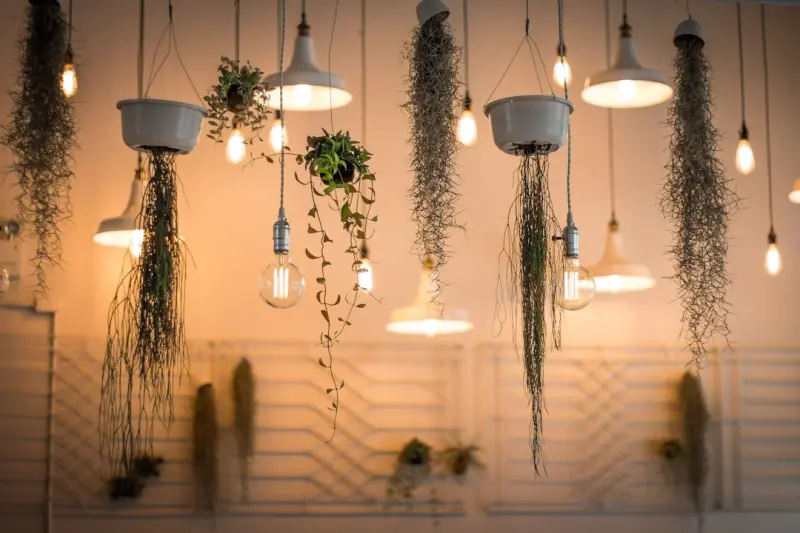
Light Up Your Life: Home Lighting Strategies for Health, Focus, and Mood
A comprehensive guide to using light strategically across your home, from work zones to bedtime, wit... Read More
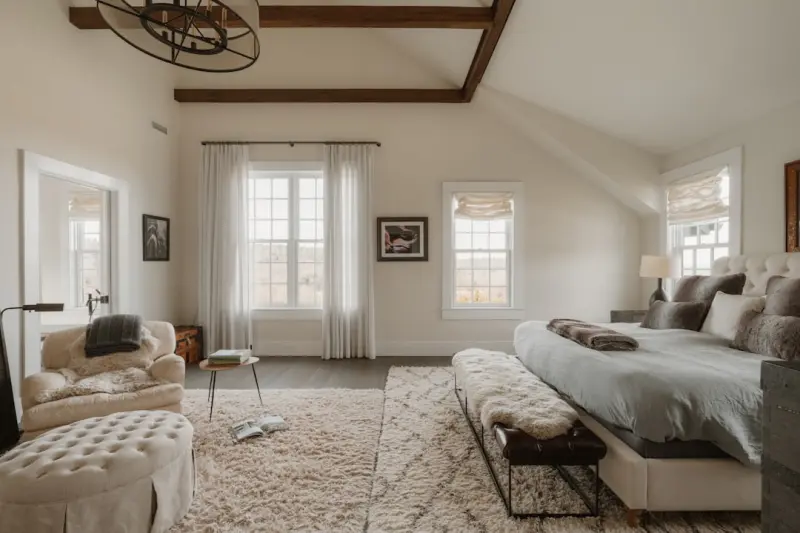
Designing a Bedroom Sanctuary: Light, Texture, and Smart Storage for Restful Living
Discover how to turn your bedroom into a calming retreat using layered lighting, natural fabrics, sm... Read More
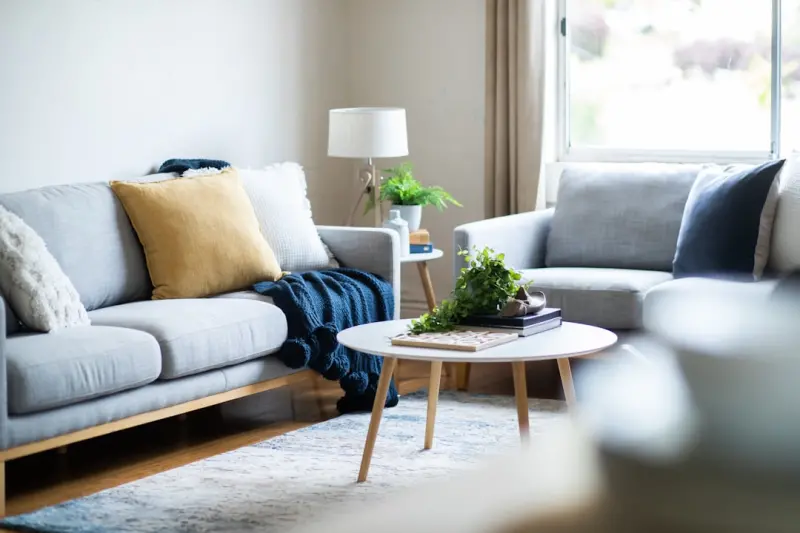
Designing Home Zones That Boost Focus, Calm and Creativity
Discover practical steps to carve out dedicated focus, rest, and creative zones in your home, using ... Read More
Top Posts

Seasonal Swaps and Smart Hacks: A Fresh Take on Everyday Home Mastery
Learn how to rotate pantry items, use adhesive storage, create scent stations, and apply one‑minute declutter habits for a continuously refreshed home environ...Read More

30-Day Home Reset: A Fresh Start for Every Room
A 30‑day home reset offers a step‑by‑step plan to declutter, reorganize, and build lasting habits, turning each room into a supportive space while boostin...Read More

The Empathy Engine: How AI Can Humanize SaaS Customer Success
A deep dive into building an empathy‑first AI layer for SaaS customer success, outlining practical steps, measurable impact, and how it integrates with existi...Read More

Riding Google’s AI Wave: A Marketer’s Personal Playbook for Staying Human
Explore a marketer’s insider guide to leveraging Google’s AI while preserving brand authenticity, with practical frameworks and real‑world examples....Read More
0 Comments
Post Comment
You will need to Login or Register to comment on this post!