
Breathing Back Into Balance: Why Your Inhale Matters More Than You Think
For years I chased the latest health trends—keto, intermittent fasting, high‑intensity interval training—only to discover that the most profound shift began with something as simple as the air I moved through my body. Conscious breathwork isn’t a gimmick; it’s a physiological reset button that rewires our nervous system, steadies heart rhythm, and even sharpens mental clarity. When we breathe shallowly, the body interprets it as a stress signal, flooding us with cortisol. By extending each inhale and exhale, we signal safety, prompting the parasympathetic branch to take the helm. In my own mornings, a deliberate five‑minute breathing session has become the anchor that steadies the day before any coffee or screen time. This article walks you through the science, the practice, and the subtle ways you can embed breath into everyday routines, turning an ordinary function into a powerhouse for holistic health.
Understanding the Diaphragm: The Hidden Muscle Behind True Relaxation
The diaphragm sits like a dome at the base of our lungs, and when we engage it fully, we invite a cascade of benefits that superficial chest breathing simply cannot provide. Research shows that diaphragmatic breathing activates the vagus nerve, a critical conduit that lowers heart rate and reduces inflammatory markers—a fact that’s especially relevant for those battling chronic stress or autoimmune flare‑ups. By placing one hand on the belly and feeling it rise with each inhale, you can instantly tell whether you’re tapping into the diaphragm or just filling the upper chest. The key is to inhale through the nose, allowing the air to travel down, expand the abdomen, and then exhale slowly through pursed lips, lengthening the release. When practiced consistently, this simple technique can improve lung capacity by up to 30 %, enhance digestion, and even boost your immune response, making it a foundational skill for any health‑focused lifestyle.
Stress Resilience Through Breath: Rewiring Your Fight‑or‑Flight Response
Modern life constantly triggers the fight‑or‑flight response, leaving us in a state of chronic hyper‑arousal that erodes mental health and physical vitality. Breathwork offers a rapid, drug‑free method to recalibrate this system by deliberately shifting the balance toward the rest‑and‑digest mode. A technique known as the 4‑7‑8 breath—inhale for four counts, hold for seven, exhale for eight—has been shown to lower blood pressure within minutes and improve sleep latency. I began using it during stressful client calls, and the difference was palpable: my voice steadied, my thoughts cleared, and I could negotiate without the usual jitter. Over weeks, this practice builds a neuro‑plastic pathway that makes calm the default, not the exception, reducing anxiety episodes and sharpening focus. For anyone seeking a sustainable, accessible tool to tame stress, mastering a few breath patterns can be more transformative than any supplement.
Sleep‑Enhancing Breath Techniques: From Restless Nights to Restorative Slumber
If you’ve ever tossed and turned, you know that the mind often runs faster than the body can settle, especially after a day saturated with screens and notifications. Integrating breath into your pre‑bedtime ritual can signal to the brain that it’s time to wind down. The “box breathing” method—inhale, hold, exhale, hold each for four seconds—creates a rhythmic cadence that synchronizes heart rate variability, a predictor of deep sleep quality. Pair this with a dimly lit environment and you’ll notice a smoother transition into REM cycles, which are essential for memory consolidation and emotional regulation. I’ve also found that combining breathwork with a brief gratitude reflection amplifies the calming effect, turning bedtime into a sanctuary rather than a battleground. Consistency is key; even five minutes nightly can shift sleep architecture, resulting in more refreshed mornings and reduced reliance on caffeine.
Embedding Breath Breaks at Work: A Micro‑Intervention for Maximum Productivity
Office culture often glorifies multitasking, yet research indicates that short, intentional pauses can actually boost output and creativity. By scheduling a two‑minute “breath break” every hour, you allow the prefrontal cortex to reset, clearing mental clutter and enhancing decision‑making. I recommend the simple “three‑part inhale”—fill the belly, then the ribs, then the upper chest—followed by a slow exhale through the nose. This pattern re‑oxygenates the brain, reduces eye strain, and curtails the build‑up of cortisol that can lead to burnout. In my own team, we introduced a shared calendar reminder, and within weeks, we observed a measurable dip in error rates and an uptick in collaborative brainstorming sessions. The practice is discreet, requires no equipment, and can be performed at a desk or standing, making it an ideal low‑cost health hack for any corporate setting.
Morning Breath Ritual: Setting the Tone for a Day of Intentional Living
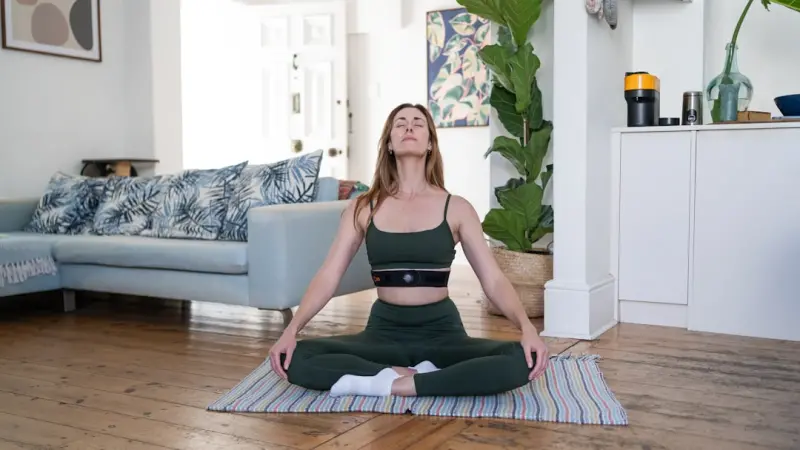
Morning routines are the scaffolding of our day, and a dedicated breath practice can serve as the cornerstone of intentional living. Begin with a seated posture, feet grounded, spine tall; close your eyes and inhale to a count of six, feeling the belly expand fully. Hold briefly, then exhale for eight counts, visualizing tension dissolving with each breath. This extended exhale activates the parasympathetic system, preparing you for focused activity rather than reactive stress. I pair this with a sip of warm water infused with lemon—a habit that awakens digestion without jolting the nervous system. Within a fortnight, you’ll notice a steadier energy curve, fewer mid‑morning crashes, and a clearer sense of purpose. For those who crave a deeper connection to their body, this ritual can be a gentle gateway to more advanced practices like pranayama or yoga.
Moving With Breath: How Walking and Stretching Amplify the Benefits
While seated breathwork is powerful, marrying it with gentle movement multiplies its impact, creating a holistic mind‑body loop. A simple post‑meal walk—even just ten minutes—paired with rhythmic breathing can lower postprandial glucose spikes and lift mood through endorphin release. Likewise, during a light stretch session, coordinate each inhale with a lengthening stretch and each exhale with a deeper release, fostering greater flexibility and joint lubrication. I’ve incorporated this into my lunchtime routine, alternating between a brisk walk and a series of sun salutations, all synchronized with breath. The result is a noticeable reduction in afternoon fatigue and a sharper mental edge for the remainder of the workday. This approach also invites mindfulness, as the body becomes a feedback loop for the breath, reinforcing the habit organically.
Common Pitfalls and How to Overcome Them: Staying Consistent Without Frustration
Even the most enthusiastic practitioner can stumble when expectations clash with reality. A frequent mistake is forcing rapid, shallow breaths in an attempt to “do more,” which paradoxically spikes anxiety rather than alleviating it. Another is treating breathwork as a one‑size‑fits‑all solution, ignoring personal variations in lung capacity or pre‑existing conditions such as asthma. To navigate these hurdles, start with modest durations—30 seconds to one minute—and gradually extend as comfort grows. If you feel light‑headed, pause, return to natural breathing, and try again later. I also recommend pairing breath exercises with a supportive audio guide or a subtle digital companion like the quiet digital assistant that offers gentle reminders and pacing cues. By embracing flexibility and listening to your body, the practice becomes a sustainable ally rather than a rigid chore.
Conclusion: Making Breath the Bedrock of Everyday Wellness
In a world saturated with quick fixes and flashy health gadgets, the humble act of breathing stands out as an ever‑present, cost‑free tool that anyone can access. By integrating diaphragmatic breathing, stress‑reduction patterns, and movement‑linked rituals into daily life, you cultivate a resilient nervous system, improve sleep quality, and enhance overall vitality. The journey begins with a single mindful inhale, but the ripple effects extend far beyond the moment—shaping how we respond to challenges, engage with others, and nurture our bodies. I invite you to experiment with the techniques outlined above, observe the subtle shifts, and let breath become the silent architect of your health story. Your body already knows the rhythm; it’s time to honor it.

Margaret Thomson is a seasoned freelance writer specializing in the dynamic worlds of marketing and advertising. With a career deeply rooted in the marketing field, Margaret brings a wealth of practical experience and insightful knowledge to her writing.
Related Posts

Why a Digital Sunset Could Be Your Secret Weapon for Wellness
The digital sunset—a deliberate stop to all screen use each evening—helps reset circadian rhythm... Read More

Micro‑Movement Mastery: Boosting Health and Performance at the Desk
Micro‑movement offers a low‑effort, high‑impact way to counteract the harms of sitting. Learn ... Read More

Forest Bathing for Remote Workers: Nature’s Prescription for Digital Fatigue
A deep dive into forest bathing shows remote professionals how short, mindful nature breaks can lowe... Read More
Top Posts

How a Pocket Library Transforms Every Journey
Explore how carrying a simple paperback can reshape travel experiences, turning mundane commutes into immersive journeys and connecting you with local stories w...Read More

Why a Daily Digital Fast Is the Brain’s Missing Super‑Fuel
A daily hour without screens can reset your brain’s reward system, lower stress hormones, improve sleep, and spark creativity—turning a simple digital fast ...Read More

Federated Learning: The Privacy‑First Frontier for AI‑Powered SaaS Personalization
Federated learning enables SaaS providers to train AI models directly on user devices, preserving privacy while delivering hyper‑personalized experiences. Thi...Read More

Why Interactive Video is Redefining B2B SaaS Marketing
Interactive video turns passive viewers into active participants, delivering higher engagement, richer buyer insights, and faster sales cycles for B2B SaaS mark...Read More
0 Comments
Post Comment
You will need to Login or Register to comment on this post!