

Why the Senses Matter More Than Square Footage
When most people think about improving their living space, the first things that come to mind are square footage, floor plans, or the latest smart‑home gadget. I’ve learned, after years of juggling client calls, brainstorming marketing decks, and squeezing a tiny home office into a hallway, that the true magic happens in the sensory layer of a home. The way a room smells, how light washes over a wall, or the tactile comfort of a throw pillow can shift mood faster than any square‑meter upgrade.
1. Scent: The Invisible Decor
Humans have been using scent to signal safety, welcome guests, and even boost productivity since the first hearths were lit. In a modern home, the same principle applies, only now you have a pantry full of essential oils, candles, and even DIY simmer pots to work with.
- Start with a scent profile. Think of the primary feeling you want to invoke—relaxation, focus, or a hint of cheerfulness. Lavender and chamomile scream “wind‑down,” while citrus blends like bergamot or grapefruit whisper “energize.”
- Layer strategically. Place a subtle diffuser in the living room for a baseline aroma, then add a more intense candle on the coffee table for evenings. The contrast creates depth, much like a well‑composed painting.
- Seasonal swaps. Rotate scents with the seasons: cinnamon and clove in fall, pine and eucalyptus in winter, fresh herbs in spring, and tropical coconut or mango in summer. Not only does this keep the environment fresh, it subtly cues your brain to adjust to the external climate.
For those who love a hands‑on approach, a simple simmer pot of water, rosemary, and a splash of lemon can fill the house with an uplifting fragrance without any electronic devices.
2. Light: Architecture of Mood
Light is the most powerful, yet often overlooked, design tool. Natural daylight regulates circadian rhythms, while artificial lighting can be tuned to mimic sunrise or set the stage for a cozy movie night. The key is intentional layering of light sources.
- Maximize daylight. Keep window treatments light and breezy—think sheer linen or bamboo blinds. Position mirrors opposite windows to bounce light deeper into the room.
- Use warm LED bulbs. A 2700‑3000K temperature replicates the warm glow of a sunset, ideal for evenings. For tasks like reading or working at a desk, upgrade to a cooler 4000‑5000K bulb that mimics natural daylight.
- Introduce dimmers and smart plugs. Even if you’re not a tech‑obsessed homeowner, a simple wall dimmer can transition a space from “productive” to “relaxing” with a flick of a switch.
If you’re looking for a low‑tech, high‑impact upgrade, check out our guide on Transform Your Living Space with Low‑Tech, High‑Impact Hacks. Many of the lighting tricks there complement the sensory approach without adding complexity.
3. Texture: The Tactile Narrative
Touch often takes a backseat to sight and sound, yet it’s the most immediate way we experience a space. A well‑chosen texture can ground a room, create visual interest, and invite lingering. Here’s how to curate a tactile story without breaking the bank.
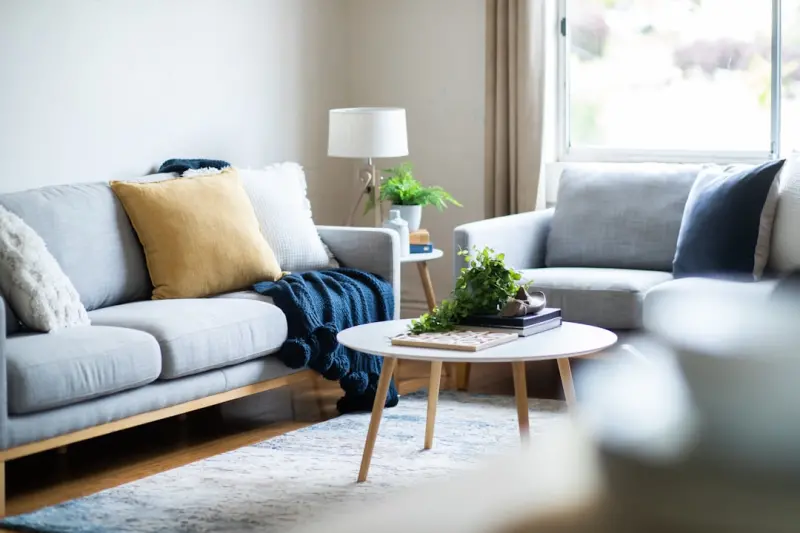
- Layer rugs and throws. A chunky knit blanket draped over a sleek sofa adds contrast. Pair a low‑pile rug in the entryway with a plush runner in the bedroom for a subtle shift in texture.
- Mix materials. Combine natural wood, smooth ceramic, and rough linen. For example, a wooden coffee table paired with a marble coaster and a linen table runner creates a balanced, multi‑sensory experience.
- Incorporate nature. Fresh greenery, pine cones, or a small indoor herb garden bring organic texture. Even a simple bowl of river stones on a side table invites the eye and the hand to explore.
4. Creating a Multi‑Sensory Zone
Instead of scattering sensory elements throughout your home, consider designating a “zone” where scent, light, and texture intersect. This could be a reading nook, a meditation corner, or even a compact home office.
Start by selecting a spot with moderate natural light. Add a small table lamp with a warm LED bulb, a diffuser with a calming scent like lavender, and a plush armchair with a textured throw. Finish the zone with a small plant for a touch of green. The result? A micro‑environment that feels intentionally designed for focus, relaxation, or creativity—whatever you need at that moment.
5. The Psychology Behind Sensory Design
Neuroscience tells us that scent, light, and touch directly influence the limbic system—the brain’s emotional hub. A soothing lavender aroma can lower cortisol levels, while bright, blue‑tinted light can boost alertness. Texture stimulates the somatosensory cortex, grounding us in the present.
When these elements are aligned, they create a feedback loop that reinforces the desired mood. For instance, a well‑lit space with a citrus scent and a smooth stone surface can make you feel both energized and grounded—perfect for a home office that needs to stay productive without feeling sterile.
6. Budget‑Friendly DIY Projects
Not everyone wants to splurge on designer candles or custom lighting. Below are three wallet‑friendly projects that still pack a sensory punch.
- Scented sachets. Fill muslin bags with dried lavender, rosemary, or citrus peels. Tuck them into drawers, closets, or under pillows for a subtle, lasting fragrance.
- DIY lamp shades. Repurpose a plain metal shade by wrapping it in natural fiber rope or burlap. The added texture diffuses light in a warm, inviting way.
- Textured wall art. Glue natural materials—like twine, small wooden slices, or pressed leaves—onto a canvas. Hang it at eye level to add depth and a tactile focal point without expensive frames.
7. Maintaining Sensory Harmony Over Time
Just as a garden needs seasonal pruning, your sensory design requires periodic refreshes. Here’s a simple maintenance routine:
- Quarterly scent rotation. Swap out diffusers and candles to keep the olfactory experience fresh.
- Lighting check. Clean windows and replace any dimming bulbs. Adjust dimmer settings as your daily schedule shifts.
- Texture refresh. Rotate blankets, swap out rugs, or introduce new natural elements like a seasonal wreath.
By treating your home as a living, breathing entity, you’ll notice that the overall atmosphere improves without constant, large‑scale renovations.
8. The Intersection of Digital Minimalism and Sensory Living
In an age where screens dominate our attention, many homeowners are turning to digital minimalism to reclaim mental space. Sensory design aligns perfectly with this movement: by enriching the physical environment, you naturally reduce the pull of digital distractions.
Try setting “tech‑free zones” within your sensory corners. Keep the reading nook or meditation space free of laptops and smartphones. The intentional absence of screens amplifies the impact of scent, light, and texture, turning those zones into true sanctuaries.
9. Personalizing the Sensory Palette
Every household has its own story, and the sensory palette should reflect that narrative. Here are a few prompts to help you discover what truly resonates:
- Memory triggers. Is there a scent that reminds you of a cherished childhood garden? Incorporate that aroma into your everyday routine.
- Color‑light synergy. Notice how certain wall colors respond to natural light at different times of day. Pair warm walls with cooler lighting for balance, or vice versa.
- Touch preferences. Do you gravitate toward smooth marble or rustic wood? Choose textures that make you feel comfortable, not just trendy.
When the sensory elements echo personal memories and preferences, the home becomes a canvas of authenticity rather than a showroom of trends.
10. The Long‑Term Benefits of Sensory Home Curation
Beyond the immediate aesthetic uplift, a well‑curated sensory environment contributes to long‑term well‑being:
- Reduced stress. Calming scents and soft lighting lower cortisol, improving sleep quality.
- Improved focus. Bright, cooler light combined with energizing aromas can boost productivity in home offices.
- Enhanced relationships. Shared sensory experiences—like lighting a favorite candle during dinner—create memorable moments with family and friends.
Think of sensory design as an investment in your mental health, not just a decorative upgrade.
Wrapping It All Up
In the rush to “upgrade” our homes with square footage or the latest tech, we often overlook the subtle, yet profound, power of the senses. By intentionally weaving scent, light, and texture into our living spaces, we create environments that nurture our bodies and minds.
Start small—swap a candle, add a lamp, drape a throw—and watch the transformation unfold. Over time, you’ll build a home that doesn’t just look beautiful; it feels like a sanctuary, a productivity hub, and a personal museum of your favorite memories—all at once.

Related Posts
The Ultimate Kitchen Command Center: Streamline Meal Prep and Reduce Clutter
Creating a kitchen command center transforms your cooking space into a well‑organized hub, saving ... Read More

Crafting a Signature Home Aroma: Seasonal Scent Strategies for Every Room
Learn to build a signature home aroma using seasonal scent swaps, natural ingredients, and simple DI... Read More

Smart Closet Hacks: Transform Tiny Spaces Into Organized Sanctuaries
Turn a cramped closet into a functional sanctuary with decluttering, vertical storage, uniform acces... Read More
Top Posts

Conversational Commerce: The Next Frontier for B2B SaaS Marketers
Discover why messaging platforms like Slack and Teams are becoming the new storefront for B2B SaaS, and learn a practical five‑pillar framework to turn chats ...Read More

From Signals to Sales: Crafting Real‑Time Intent Marketing for SaaS
This post reveals a step‑by‑step framework for building a privacy‑first, intent‑driven marketing engine that captures buyer signals the moment they appe...Read More

Breathe Easy: 10 Everyday Hacks to Improve Indoor Air Quality
A practical guide that walks you through ten simple, budget‑friendly strategies—from houseplants to smart ventilation—to dramatically improve the air you ...Read More

Seasonal Décor Swaps: Freshening Your Home with Nature’s Rhythm
Learn how to breathe new life into every room by swapping décor with the seasons, using natural elements, DIY projects, and smart sourcing for a vibrant, everâ...Read More
0 Comments
Post Comment
You will need to Login or Register to comment on this post!