
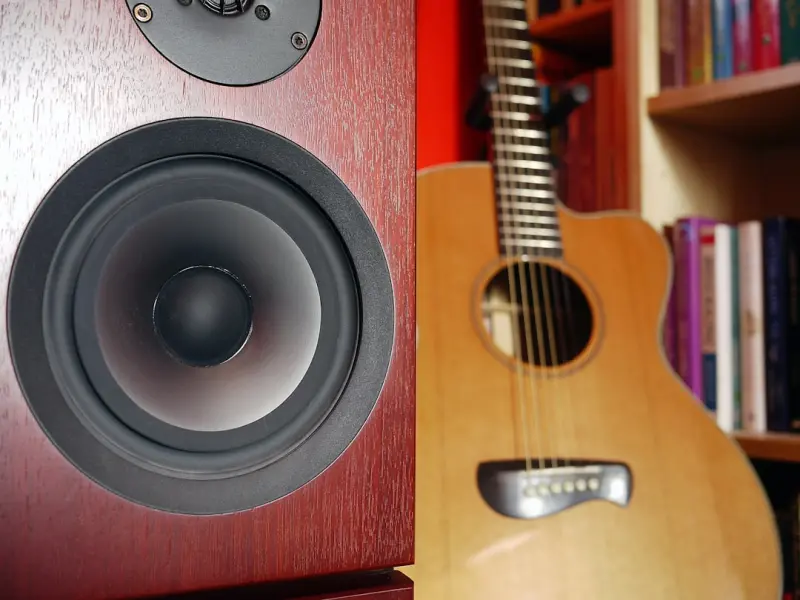
Why Sound Matters in Your Home
When we think about home comfort, we often picture soft cushions, perfect lighting, or a tidy layout. Yet, one of the most overlooked elements is sound. A room that feels noisy or echo‑filled can drain energy, hinder concentration, and even affect sleep quality. By paying attention to acoustic comfort, you can transform ordinary spaces into serene retreats without spending a fortune.
The Science Behind Acoustic Comfort
Sound behaves like any other physical property—it reflects, absorbs, and diffuses. Hard surfaces such as glass, tile, and bare wood bounce sound waves, creating reverberation. Soft, porous materials like rugs, curtains, and upholstered furniture act as natural absorbers, reducing echo. Understanding this dance between reflection and absorption lets you make strategic choices that tune your home’s acoustic profile.
Start with a Simple Sound Audit
Before buying anything, walk through each room and listen:
- Identify the loudest spots. Are there areas where conversations feel muffled or where you can hear the street outside?
- Notice the echo. Clap your hands and listen for a lingering reverberation. A quick “clap test” can reveal how “live” a room is.
- Consider the purpose. A home office needs a quieter, more focused soundscape, while a living room may benefit from a livelier ambience for social gatherings.
Jotting down these observations gives you a clear roadmap for where to intervene.
Low‑Tech, High‑Impact Acoustic Hacks
Just as simple low‑tech upgrades can revamp a room’s look, they can also dramatically improve its sound. Here are some budget‑friendly ideas you can implement this weekend:
- Rugs and Carpets. A thick rug absorbs footfall and airborne noise. Place them under high‑traffic areas or in rooms with hard flooring.
- Heavy Curtains. Not only do they block light, but heavyweight drapes also dampen outside noise. Opt for fabrics like linen‑blend or velvet for the best effect.
- Bookshelves. Filled bookshelves act as irregular surfaces that break up sound waves, reducing echo. Mix in decorative items for visual interest.
- Acoustic Panels. If you’re willing to spend a bit more, DIY panels made from dense foam or fabric‑wrapped insulation can be mounted on walls where sound bounces most.
- Door Sweeps. Install rubber sweeps on interior doors to seal gaps that let sound travel between rooms.
Smart Furniture Choices for Noise Reduction
When selecting new furniture, think about texture and placement. Upholstered sofas and armchairs, especially those with deep cushions, act as large sound absorbers. Position them against walls that tend to reflect sound—this creates a “soft wall” that mitigates echo without any additional material.
For a home office, a standing desk mat made of dense rubber can dampen the clatter of moving equipment. Pair it with a plush office chair and you’ll notice a quieter, more focused workspace.
Strategic Use of Plants
Indoor greenery isn’t just a décor trend; many plants have naturally porous leaves that absorb sound. Larger floor plants like Fiddle Leaf Fig, Rubber Plant, or Monstera can help reduce background noise, especially in open‑plan areas. Arrange a cluster of medium‑sized plants along a wall to create a living sound barrier.
Enhancing Acoustic Comfort in Specific Rooms
Home Office
A productive office demands minimal distractions. Follow these steps:
- Place a thick rug beneath the desk and chair.
- Hang a fabric‑covered acoustic panel behind your monitor—this blocks reflections from the wall.
- Use a desktop privacy screen made of acoustic foam if you share a wall with a bustling household.
Living Room
While you want a lively environment for gatherings, you don’t need a concert hall. Balance is key:
- Invest in a large, plush sofa with deep cushions.
- Layer a soft area rug and a few floor‑standing fabric lamps with thick shades.
- Consider a decorative wall tapestry—its woven fibers absorb mid‑range frequencies.
Bedroom
Sleep quality is directly affected by nighttime noise. To create a sanctuary:
- Swap thin blinds for blackout curtains that also have a dense weave.
- Place a rug beside the bed to soften footfall.
- Use a white‑noise machine or a fan, which can mask intermittent sounds like traffic or a distant siren.
Kitchen
The kitchen is a hub of activity, but clanging pots can become overwhelming. Mitigate noise by:
- Adding a rubber mat under the sink and trash area.
- Installing a backsplash with textured ceramic tiles that break up sound reflections.
- Choosing countertop accessories—like silicone pot holders—that mute metallic clangs.
Integrating Technology Without Overcomplicating
Smart home devices can help you monitor and manage acoustic comfort. A sound level meter app on your phone provides real‑time decibel readings, letting you see the impact of your changes. Moreover, digital minimalism for home health isn’t just about screens; it also encourages reducing auditory clutter by limiting background TV or constant music playlists that can raise overall noise levels.
Maintaining Acoustic Comfort Over Time
Just like any other home improvement, acoustic upgrades need occasional maintenance:
- Refresh rugs and curtains. Over time, fibers wear and lose their sound‑absorbing capacity. A gentle vacuum or professional cleaning can restore effectiveness.
- Rotate acoustic panels. If you use DIY panels, swap them between rooms every few months to keep the acoustic balance fresh.
- Check seals. Door sweeps and window seals can degrade, letting in external noise. Inspect them quarterly and replace as needed.
Measuring Success: The Sound of Satisfaction
After implementing these changes, revisit your initial sound audit. You should notice:
- Reduced echo when clapping your hands.
- A quieter environment during peak activity times.
- Improved focus in workspaces and deeper sleep quality.
When you can hear the difference, you’ll understand that acoustic comfort isn’t a luxury—it’s a cornerstone of a truly comfortable home.
Final Thoughts
Acoustic comfort is a subtle yet powerful dimension of home design. By treating sound as an integral element—alongside light, color, and texture—you can create spaces that nurture well‑being, boost productivity, and elevate everyday living. Start with a simple audit, apply a few low‑tech fixes, and let the quiet transformation begin.

Karen Edwards is a seasoned freelance writer with a passion for all things furry, feathered, and scaled. With a dedicated focus on pets, she brings a wealth of knowledge and a keen eye for detail to her writing.
Related Posts
Transform Your Living Space with Low‑Tech, High‑Impact Hacks
Explore a series of budget‑friendly, low‑tech strategies—ranging from natural lighting tricks ... Read More
Smart Home Refresh: Simple Strategies for a Calm, Organized Living Space
Learn easy, budget‑friendly ways to declutter, add hidden storage, improve air quality, and create... Read More
The Secret to a Stress‑Free Home: Simple Systems That Work
Learn how to create effortless home routines with micro‑zones, one‑touch habits, invisible stora... Read More
Top Posts

Voice‑First Marketing: Turning Spoken Queries into B2B SaaS Growth
Voice isn’t a novelty for B2B SaaS marketers—it’s a high‑intent channel that can dramatically improve awareness, consideration, and conversion. This pos...Read More
Securing SaaS Data at the Edge with Google Cloud Confidential Computing
Google Cloud’s Confidential Computing creates encrypted enclaves for data processing, offering SaaS companies a hardware‑rooted security layer that protects...Read More

Digital Twin Cities: How Virtual Replicas Are Redefining Urban Life
Discover the rise of digital twin cities—virtual replicas that let planners, residents, and innovators test ideas in real time, creating smarter, greener urba...Read More

Zero‑Trust Architecture: Reinventing SaaS Security for a Distributed World
Zero‑trust shifts security from perimeter‑based assumptions to continuous verification of every user, device, and request, offering SaaS providers a resilie...Read More
0 Comments
Post Comment
You will need to Login or Register to comment on this post!