

Why Micro‑Zoning Beats the One‑Size‑Fits‑All Home Layout
When I first moved into my downtown loft, I tried the classic “open‑plan” mantra that every design blog swears by. The result? A sprawling, ambiguous space that felt more like a blank canvas than a lived‑in home. I spent weeks shuffling furniture, only to end up with a kitchen that doubled as a desk and a living area that doubled as a hallway. It was a constant juggling act, and my productivity (and sanity) suffered.
That experience sparked a question that now fuels my home‑tips experiments: What if, instead of stretching a single function across an entire room, I broke the space into intentional, bite‑sized zones? The answer is what I call micro‑zoning – a strategy that slices your home into purposeful pockets, each optimized for a single activity or mood. It’s not about erecting walls; it’s about subtle visual cues, furniture choices, and habit loops that tell your brain, “Here is where you focus, here is where you relax, and here is where you create.”
The Psychology Behind Tiny Zones
Our brains are wired for context. When we step into a coffee shop, the aroma, lighting, and layout signal “work or chat.” When we walk into a bedroom, the darkness and softness whisper “rest.” By mimicking these cues in micro‑zones, we harness the same neurological shortcuts that make public spaces feel intuitive.
Research in environmental psychology shows that clear spatial boundaries improve concentration by up to 30% because they reduce the mental cost of task‑switching. In practice, that means a dedicated “focus nook” can dramatically cut the time you spend refocusing after a distraction.
Micro‑zoning also dovetails nicely with the Home Choreography: Turning Every Room Into a Performance Stage concept, but whereas choreography treats the whole house as a stage, micro‑zoning focuses on the backstage—those tiny, behind‑the‑scenes areas that keep the show running smoothly.
Step 1: Map Your Activities, Not Your Rooms
Start by listing the core activities you perform at home. For most remote professionals, the list includes:
- Focused work (coding, writing, design)
- Creative brainstorming
- Quick meals and coffee breaks
- Physical movement (stretching, yoga, short workouts)
- Relaxation (reading, meditating, streaming)
- Administrative chores (mail, bills, laundry)
Next, assign each activity a micro‑zone that can be as small as a single chair, a corner of a wall, or a portable tray. The key is to keep the zones distinct but fluid, allowing you to glide between them without re‑configuring the entire room.
Tip: Use a floor‑plan app or simply sketch on paper. Draw circles for each zone, then note the furniture, lighting, and accessories needed to support the activity.
Step 2: Choose the Right Visual Anchors
Visual anchors are the silent directors of your micro‑zones. They can be:
- Color blocks: A bold rug for the work nook, a pastel cushion for the reading corner.
- Lighting: A focused desk lamp for productivity, a warm floor lamp for relaxation.
- Materials: A matte desk surface for writing, a plush rug for yoga.
For example, swapping a sleek metal chair for a wooden one in your focus nook signals “serious work,” while a soft pouf in the relaxation corner says “unwind.” The brain picks up on these cues subconsciously, reinforcing the intended behavior.
Another quick win is to repurpose everyday items as zone markers. A decorative screen can act as a visual divider without permanently closing off space, and a set of stacking crates can double as both storage and a height‑adjustable platform for a standing desk.
Step 3: Keep the Core Furniture Minimal
Micro‑zoning thrives on simplicity. Overloading a zone with furniture defeats the purpose. Aim for one primary piece per zone, complemented by a single accessory.
Focus nook: A compact desk (or a wall‑mounted fold‑down table) + an ergonomic chair.
Creative corner: A high‑back swivel chair + a small whiteboard or sketchpad.
Snack station: A rolling cart with a coffee maker, a few mugs, and a mini fridge.
By limiting each zone to its essential items, you reduce visual clutter and make it easier to transition from one activity to the next. This principle mirrors the advice in 10 Everyday Home Hacks to Streamline Your Space, where less truly becomes more.
Step 4: Leverage Mobility for Flexibility
One of the biggest advantages of micro‑zones is that they’re not static. Invest in mobile furniture—casters on desks, rolling storage bins, fold‑away tables. This way, you can reconfigure your zones on the fly to match changing priorities.
Imagine a scenario where you need a temporary video‑call backdrop. Simply roll a lightweight backdrop stand from the “visual‑call” zone into your focus nook, and you’re set. When the call ends, slide it back, and the space reverts to its original purpose.
Mobility also helps you experiment. If a zone feels off, you can shift it to a different wall or corner without major renovations. The flexibility encourages continuous improvement—a habit I swear by in both my professional SaaS projects and my home life.
Step 5: Build Habit Loops Around Your Zones
Micro‑zoning isn’t just a physical redesign; it’s a behavioral redesign. Pair each zone with a trigger and a reward to cement the habit.
- Trigger: A specific time of day, a notification, or even a scent.
- Action: Move to the designated zone and begin the activity.
- Reward: A short stretch, a sip of coffee, or a 5‑minute playlist.
For instance, when the clock strikes 9 am, a gentle chime (the trigger) prompts you to roll the standing desk into the focus nook (action). After an hour of deep work, you reward yourself with a 5‑minute meditation on the floor‑mounted cushion in the relaxation corner.
These loops reinforce the spatial‑activity association, making it easier to slip into “work mode” or “relax mode” without the mental friction that usually comes with multitasking environments.
Step 6: Optimize for Acoustic Comfort
Sound is the unsung hero of micro‑zoning. A noisy kitchen can bleed into your focus nook, while a whisper‑quiet bedroom can make a creative brainstorming session feel stale.
Use soft furnishings—rugs, curtains, acoustic panels—to dampen noise in zones that demand concentration. Conversely, keep the “social” zones (like a dining nook) more open to encourage lively conversation.
A simple DIY acoustic panel can be made from a wooden frame, fabric, and rockwool. Hang one behind your focus desk, and you’ll notice a measurable drop in ambient chatter, sharpening your ability to think clearly.
Step 7: Review and Iterate Quarterly
Micro‑zoning is a living system. Every few months, conduct a quick audit:
- Which zones see daily use? Which are underutilized?
- Do visual cues still align with the intended activity?
- Is any zone causing friction (e.g., a cramped desk or inadequate lighting)?
- What new activities have emerged (perhaps a side hustle or a new hobby)?
Based on your answers, tweak the layout, swap out accessories, or even merge zones if needed. The iterative approach ensures your home evolves alongside your work and life demands.
Putting It All Together: A Sample Micro‑Zoned Apartment
Below is a practical illustration of how a 750‑sq‑ft apartment can be transformed using micro‑zoning:
| Zone | Location | Key Elements |
|---|---|---|
| Focus Nook | Near the east‑facing window | Fold‑down desk, ergonomic chair, matte lamp, green plant |
| Creative Corner | Corner of living room | Swivel chair, small easel, sketchpad, LED strip |
| Snack Station | Hallway alcove | Rolling cart, mini‑fridge, coffee maker, reusable mug |
| Movement Spot | Balcony or spare floor area | Yoga mat, resistance bands, floor lamp |
| Relaxation Nook | Under the lofted bed | Bean bag, soft rug, bookshelf, ambient speaker |
| Admin Hub | Near the entryway | Wall‑mounted organizer, scanner, small filing drawer |
Notice how each zone is compact, visually distinct, and equipped for its singular purpose. The overall flow feels cohesive because the zones are linked by consistent materials (wooden accents) and a shared color palette, yet each still “speaks” its own language.
Final Thoughts: Micro‑Zoning as a Lifestyle, Not a Trend
Micro‑zoning is less about aesthetics and more about creating a home that works for you—day in, day out. It empowers you to reclaim mental bandwidth, reduce decision fatigue, and turn your living space into a silent productivity partner.
If you’ve ever felt that your home is a collection of competing demands, try carving out a few micro‑zones this weekend. Start small: a single focus corner or a snack cart. Observe the shift in your energy and focus. Then, expand.
Remember, the goal isn’t to build a fortress of single‑purpose rooms, but to sprinkle purposeful pockets throughout your environment. Over time, those pockets add up, creating a home that feels both dynamic and grounded—a place where work, creativity, and rest coexist without stepping on each other’s toes.

Shawn DesRochers is a certified Microsoft technician and Programmer with 30+ year's experience. He has written many reviews on computer related products, software, and SEO related topics. When he's not writing reviews he can be found at one of the Oldest Directories Online Business Directory USA which he is the CEO of.
Related Posts

Smart Storage Secrets: Transform Small Spaces into Organized Havens
Learn how to turn every nook into functional storage with modular pieces, hidden compartments, and s... Read More

Bring the Outdoors In: Biophilic Hacks to Boost Your Home’s Energy and Mood
Explore practical biophilic design tips that transform any home into a calming, energy‑efficient s... Read More
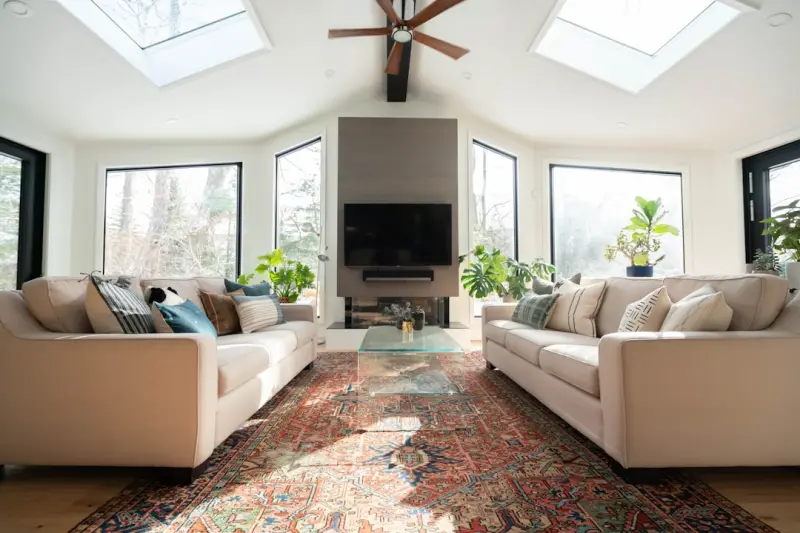
Transform Your Home Into a Calm, Efficient Haven Without Breaking the Bank
Learn practical, low‑cost home improvements—from acoustic panels to natural scents—that elevat... Read More
Top Posts
Privacy‑First Digital Marketing: Turning Consent Into a Competitive Edge
In a cookie‑less landscape, consent becomes the most valuable signal. This post shows how B2B SaaS marketers can leverage zero‑party data, consent‑centric...Read More

The Quiet Revolution: Generative AI as Your SaaS Onboarding Co‑Pilot
Generative AI serves as a silent co‑pilot in SaaS onboarding, delivering contextual, personalized assistance at scale, freeing human teams for high‑impact w...Read More

Riding Google’s 2024 AI Wave: Rose DesRochers’s Insider Perspective
Rose DesRochers reveals how Google’s AI overhaul reshapes SEO, sharing insider tactics, storytelling tips, and measurement hacks to help marketers ride the 20...Read More

Why SaaS AI Needs a Green Strategy: Tackling the Hidden Energy Bill
AI models are silently draining SaaS resources and inflating costs. This post uncovers the hidden energy bill behind AI, offers actionable tactics like model di...Read More
0 Comments
Post Comment
You will need to Login or Register to comment on this post!