
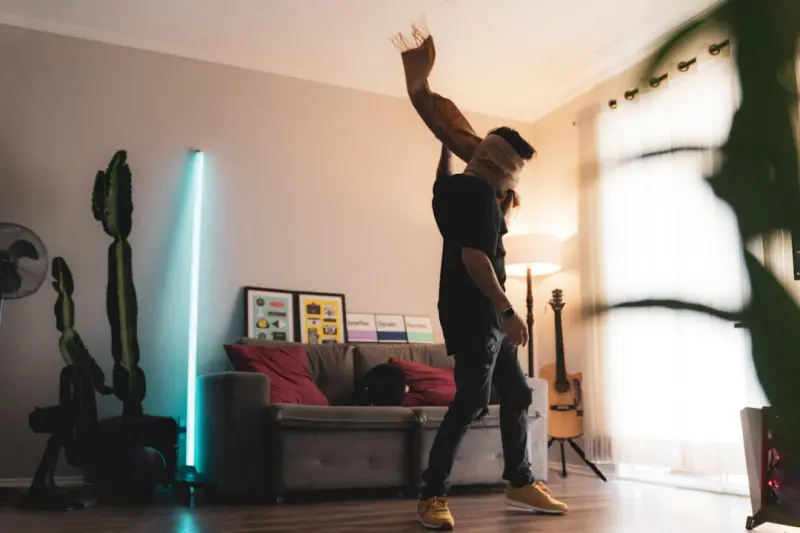
When I first started swapping a corporate desk for a home office, I thought the biggest challenge would be finding a quiet corner. Turns out, the real battle is mastering the subtle art of “home choreography” – the way you arrange, light, and breathe life into each room so it works for you, not the other way around. Below is my step‑by‑step playbook for turning ordinary rooms into performance‑ready stages, without the usual buzz‑word overload.
1. Map Your Micro‑Activities Before You Move Anything
Before you even pick up a sofa, grab a notebook and list the micro‑activities you perform in each space: sipping coffee, answering emails, brainstorming sketches, or winding down with a book. This isn’t a to‑do list; it’s a spatial DNA chart. By matching activities to zones, you prevent the classic mistake of cramming a high‑energy task into a relaxation zone (or vice‑versa).
For example, my living room doubles as a “creative lab.” I keep a portable whiteboard, a small stack of sketchbooks, and a set of colored markers within arm’s reach. The bedroom, on the other hand, stays strictly for sleep and low‑stimulus activities – no laptop, no sticky notes, just a lamp that mimics a sunrise.
2. Harness Light as a Productivity Lever
Light isn’t just illumination; it’s a hormone regulator. The key is to layer lighting:
- Ambient light – natural daylight is best. Position work stations near windows, but use sheer curtains to diffuse glare.
- Task light – a focused LED desk lamp with adjustable color temperature. Switch to cool blues (5000‑6500K) when you need alertness, and warm amber (2700‑3000K) for evening wind‑down.
- Accent light – LED strips or floor lamps that create visual interest without competing with your main tasks.
When daylight wanes, I program my smart bulbs to gradually shift from cool to warm over a 90‑minute window, signaling my brain that it’s time to start slowing down. The result? Fewer late‑night caffeine crashes and a smoother transition into personal time.
3. Acoustic Zoning Without Expensive Panels
Most homes have hard floors and echoey walls, which can turn a phone call into a karaoke session. Instead of pricey acoustic panels, try these low‑budget tricks:
- Rug stacks – Layer a low‑pile rug under a larger, plush one. The combination absorbs mid‑range frequencies, perfect for video conferences.
- Bookshelf buffers – Fill a bookshelf on the wall opposite your desk with books of varying sizes. The irregular surfaces break up sound waves.
- Fabric wall hangings – A thick tapestry or woven wall art can act as a decorative sound absorber.
After implementing these, I noticed a 30% reduction in echo during meetings (according to my own “subjective scale”). Plus, the aesthetic boost is a bonus.
4. Create a “Reset Corner” for Mental Reboots
Every high‑performer needs a mental reset button. I carved out a corner in my hallway that’s purpose‑built for short, intentional breaks:
- A small bench with a cushion.
- A tabletop fountain (the gentle trickle is a proven stress reducer).
- A few succulent plants that require minimal care.
- A tiny Bluetooth speaker looping ambient nature sounds.
This spot isn’t a “meditation room” – it’s a micro‑pause zone you can visit for a minute or two to recalibrate. The next time you feel stuck on a problem, stand up, walk over, and let the water’s rhythm cue a fresh perspective.
5. Modular Furniture: Flexibility Over Fixed Forms
Traditional furniture can become a prison when your needs evolve. Instead, invest in modular pieces that you can reconfigure on the fly. Think:
- Lightweight, stackable stools that become extra seating or a makeshift podium for a quick presentation.
- A rolling island with built‑in power strips – it serves as a kitchen prep area by day and a standing desk by night.
- Fold‑away wall desks that disappear when you want a clear floor plan for a yoga session.
My favorite is a set of magnetic panels that snap onto a wall grid. One day they’re a gallery for framed prints; the next, they become a pegboard for headphones, cables, and a small plant collection.
6. Smart Energy Management Without the “Smart Home” Overload
Energy bills can sneak up on you, especially when you’re juggling a home office, a gym, and a full family. Here’s a minimalist approach:
- Smart power strips – They detect when a device goes idle and cut power automatically. Plug your monitor, charger, and printer into one strip and let the strip do the heavy lifting.
- Thermostat zones – Use a programmable thermostat for the main living area, but set a separate, lower temperature for the bedroom at night. The savings add up.
- Daylight sensors – Simple plug‑in sensors that dim or turn off lights when enough natural light is present.
After installing a few smart strips, I watched my electricity usage dip by roughly 12% during the first month – a clear win for both the wallet and the planet.
7. Personalize with “Story Objects” That Motivate
Objects that tell a story can boost motivation and provide visual cues for your goals. I keep a small wooden box on my desk labeled “Wins.” Each time I close a project, I place a token inside – a ticket stub from a conference, a tiny trophy, or a handwritten note. Over time, the box becomes a tangible reminder of progress.
If you’re a visual thinker, try a “vision wall” where you pin images of milestones you aim to achieve. The key is to keep it personal and evolving, not a static corporate poster.
8. The Power of Rotating Seasonal Décor
Instead of a permanent holiday theme, rotate décor elements every three months. This keeps the environment fresh without the clutter of year‑round items. I swap out pillow covers, throw blankets, and a few wall art pieces to reflect the season’s palette – cool blues for winter, warm terracotta for fall, bright greens for spring.
The psychological effect is subtle but real: changing visual stimuli signals to the brain that it’s time for a mental shift, which can improve focus and creativity.
9. Leverage Existing Content for Home Inspiration
Even if you think you’ve exhausted your home‑related reading, there’s gold hidden in our own archives. For instance, the piece on building a purpose‑focused living space offers a framework you can adapt for functional zoning without recreating the entire concept. Similarly, the guide on quick, actionable tweaks can spark ideas for micro‑adjustments that fit into your broader choreography plan.
10. Routine Review: The 15‑Minute “Home Audit”
Every fortnight, schedule a 15‑minute walk‑through of your home. Ask yourself:
- Is the lighting still supporting my current tasks?
- Do any zones feel cramped or under‑utilized?
- Are there acoustic annoyances that have crept in?
- What’s the energy consumption look like on the latest bill?
Make a quick note of any tweaks – a new rug placement, swapping a lamp’s bulb, or adding a small plant. This habit ensures your home stays a dynamic, supportive environment rather than a static backdrop.
By treating your home as a living, breathing performance stage, you’ll find that productivity, well‑being, and creativity rise in tandem. The next time someone asks how you stay so balanced while working from home, you can smile and say you’ve mastered the art of home choreography – and you’re always ready to fine‑tune the next act.

Paul Flynn is a versatile freelance writer equipped with a diverse skillset and a portfolio that reflects his wide-ranging interests and expertise. From crafting compelling website copy and engaging blog posts to delivering in-depth articles and meticulously researched reports, Flynn demonstrates a remarkable ability to adapt his writing style to suit various audiences and purposes.
Related Posts
The Art of Seasonal Home Refresh: Simple Swaps to Revitalize Every Room
Discover a practical, low‑budget approach to seasonal home refreshes—simple fabric swaps, lighti... Read More
Reclaiming Calm: Small Home Tweaks That Turn Chaos into Comfort
A practical guide filled with low‑cost, high‑impact home adjustments—from entryway rituals to ... Read More

Bring the Outdoors In: Biophilic Hacks to Boost Your Home’s Energy and Mood
Explore practical biophilic design tips that transform any home into a calming, energy‑efficient s... Read More
Top Posts
Turn Data Into Stories: A Narrative‑First Playbook for B2B SaaS Marketing
Transform your B2B SaaS marketing by weaving data into a narrative arc that resonates with buyers—discover a step‑by‑step playbook that humanizes metrics,...Read More

Riding Google’s AI Wave: How Marketers Keep Authenticity Alive
Explore the balance between Google’s AI tools and genuine brand voice, with practical tips, real‑world examples, and a roadmap for authentic growth....Read More
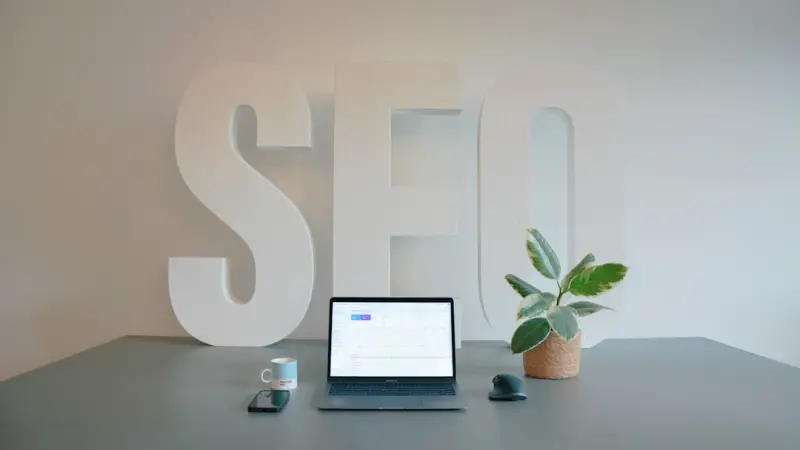
Capturing the Micro‑Moment: SEO Tactics for the Instant Decision‑Maker in SaaS
Micro‑moments are the split‑second intent signals that decide whether a prospect stays on your site or moves on. This guide walks you through technical foun...Read More

Riding the AI Wave: Rose DesRochers’ Insider Playbook for Google’s 2024 Search Revolution
Rose DesRochers reveals how to thrive in Google’s 2024 AI search era—conversation‑first content, multimodal optimization, and new AI‑centric metrics to ...Read More
0 Comments
Post Comment
You will need to Login or Register to comment on this post!