
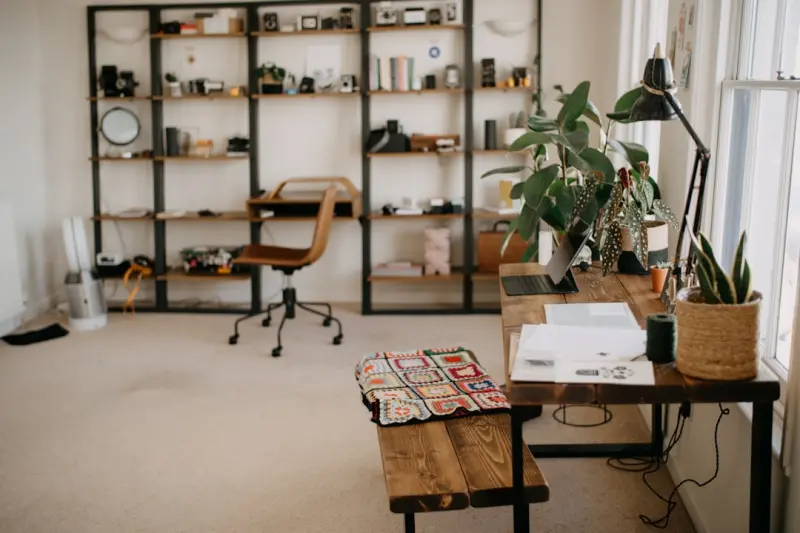
When the inbox never sleeps and the next Zoom call is always just a ping away, the home should feel like a quiet, efficient sidekick rather than a chaotic obstacle course. Over the years I’ve turned my own apartment into a low‑maintenance, high‑impact sanctuary, and I’ve learned that the biggest transformations often come from tiny, intentional tweaks. Below are ten home‑hacking strategies that any busy professional can adopt without a massive remodel or a hefty budget. Each tip is designed to shave minutes off daily chores, stretch your dollars further, and keep your mental bandwidth focused on the work that matters.
1. Master the Art of Invisible Storage
Clutter is the silent productivity killer. Instead of fighting against it, make it disappear. Start with “dead‑space”—the area under beds, the back of the pantry, and even the hollow of a couch. Invest in slim, rolling drawers or vacuum‑seal bags for seasonal clothing. For books and magazines, consider wall‑mounted floating shelves that double as decorative art when you arrange them by color or size. The goal is to keep everyday items out of sight but within reach, turning chaos into a curated backdrop.
2. Create a Multi‑Purpose Entryway
The moment you step through the door sets the tone for the rest of the day. A simple console table with a built‑in charging station and a shallow tray for keys, mail, and sunglasses can become the command center of your home. Add a narrow bench with hidden storage for shoes or a small bag of “on‑the‑go” essentials—think a reusable water bottle, a portable charger, and a notebook. This single zone reduces the mental load of hunting for things before you leave or return.
3. Optimize Lighting for Energy and Mood
Natural light is a free, mood‑boosting resource, but most homes suffer from poor placement of fixtures. Swap out a single 60‑watt bulb for a trio of 10‑watt LEDs arranged in a “tri‑light” configuration. This mimics daylight, reduces eye strain, and cuts electricity use by up to 80 %. Pair this with a smart plug that dims lights automatically at sunset, creating a gentle wind‑down atmosphere that signals your brain it’s time to transition from work mode to home mode.
4. Turn One Wall into a “Command Center”
Instead of scattering sticky notes across the fridge, dedicate a small wall section to a magnetic board, a whiteboard strip, and a cork panel. Use magnetic clips for urgent tasks, a whiteboard for weekly goals, and cork for inspirational quotes or visual reminders. This central hub consolidates information, prevents mental clutter, and provides a visual cue for what needs attention each day.
5. Leverage the Power of Routine‑Friendly Kitchen Zones
The kitchen can become a “grab‑and‑go” zone if you set up three clear areas: prep, cooking, and clean‑up. Store your most-used utensils—olive oil, a chef’s knife, a cutting board—within arm’s reach of the prep zone. Keep a small “cook‑once” pantry of pre‑portioned grains and sauces near the stove. Finally, place a compact dish‑drying rack on the counter, not the sink, so you can slide dishes directly from the dishwasher to a drying spot, reducing countertop clutter and encouraging faster clean‑up.
6. Adopt a “One‑In, One‑Out” Policy for New Purchases
Impulse buys are the silent budget busters. Before bringing anything new home, ask yourself: “Do I already own something that can serve this purpose?” If the answer is yes, donate the existing item and keep your inventory balanced. This habit not only controls clutter but also forces you to evaluate the true value of each acquisition, keeping your finances healthier.
7. Use Smart Plugs for “Set‑and‑Forget” Energy Savings
Even the most energy‑conscious household has appliances that draw power in standby mode—think coffee makers, chargers, and TV boxes. Plug these into Wi‑Fi‑enabled smart plugs that you can schedule to turn off overnight. A quick glance at your phone’s app shows real‑time energy consumption, giving you immediate feedback on where you can save more.
8. Introduce a “Micro‑Garden” for Freshness and Calm
Even if you lack a sprawling balcony, a windowsill can host a tiny herb garden—basil, mint, or rosemary—requiring just a small tray and a light watering can. The scent of fresh herbs not only elevates your cooking but also provides a subtle aromatherapy boost during stressful work sessions. For a deeper dive on integrating nature into your workspace, check out A Nature‑Infused Desk: Small Steps to Big Health Gains.
9. Declutter Digital Noise with Physical “Inbox” Bins
Physical mail, bills, and flyers can pile up and create visual stress. Allocate a single decorative basket near the entryway as a “paper inbox.” Schedule a 10‑minute weekly session to sort, scan, or shred contents. This ritual prevents paper from spilling onto countertops, freeing up both visual space and mental bandwidth.
10. Curate a Sensory Reset Corner
While you may have read about crafting comprehensive sensory sanctuaries, you don’t need an entire room for a reset. Choose a corner of your living area, add a plush floor pillow, a small diffuser with a calming scent like lavender, and a low‑profile speaker for ambient sound. Even a single minute of focused breathing in this pocket can reset your nervous system after a marathon meeting. For an expansive guide on building a full‑scale sensory retreat, see Crafting a Sensory Sanctuary at Home: A Practical Guide.
Putting It All Together: A Sample Day
Imagine waking up to a softly dimmed light that gradually brightens as the sun rises. Your entryway command center greets you with a clear visual of today’s top three priorities. You glide past a tidy kitchen where the “one‑in, one‑out” rule ensured the pantry isn’t overflowing with redundant gadgets. While coffee brews in a smart‑plug‑controlled machine, you sip and glance at your micro‑garden, inhaling fresh basil aroma that nudges your mind toward creativity.
Throughout the day, you return home to a living‑room corner that beckons with a plush pillow and soothing scent. A quick 60‑second meditation there clears the lingering stress of the afternoon. By night, the living area is illuminated by warm LED strips that automatically dim, signaling your brain to wind down. All of these small, intentional choices compound into a home that feels less like a to‑do list and more like a supportive ally.
Implementing these hacks doesn’t require a massive overhaul—just a series of mindful decisions that align your environment with the way you work and live. When every surface, light, and object serves a purpose, you reclaim precious mental real estate, allowing you to focus on the projects that truly matter. Start with one tip today, observe the ripple effect, and watch your home transform into a low‑maintenance, high‑impact haven.

Margaret Thomson is a seasoned freelance writer specializing in the dynamic worlds of marketing and advertising. With a career deeply rooted in the marketing field, Margaret brings a wealth of practical experience and insightful knowledge to her writing.
Related Posts

Seasonal Décor Swaps: Freshening Your Home with Nature’s Rhythm
Learn how to breathe new life into every room by swapping décor with the seasons, using natural ele... Read More

Turn Your Home Into a Low‑Stress Powerhouse with Simple Systems
Learn how to map energy flow, create micro‑zones, and use affordable automation to transform your ... Read More

Designing Home Zones That Boost Focus, Calm and Creativity
Discover practical steps to carve out dedicated focus, rest, and creative zones in your home, using ... Read More
Top Posts
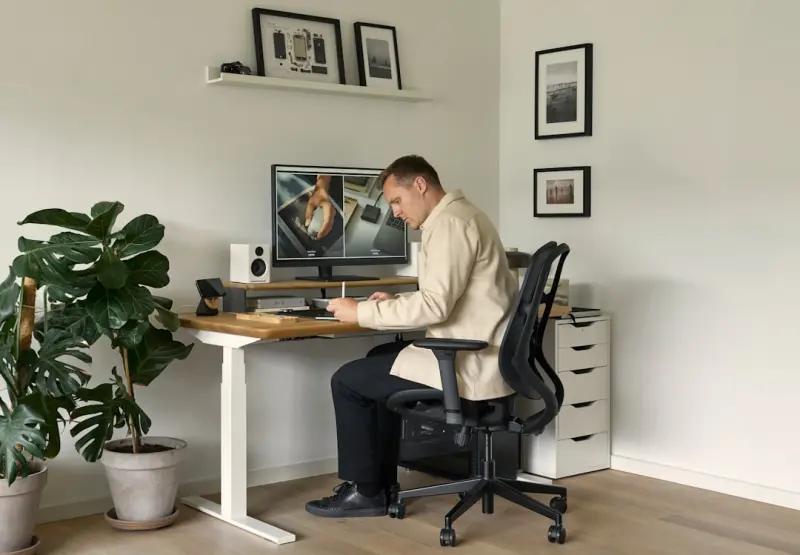
The Silent Power of Posture: Boosting Remote Team Resilience
A deep dive into why everyday posture matters for remote workers, practical micro‑adjustments, and how integrating posture into team culture can drive perform...Read More
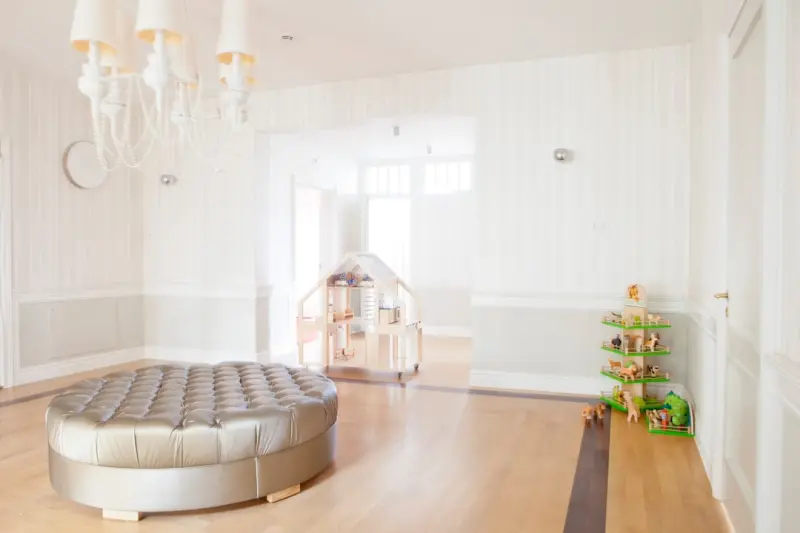
Creating a Sensory Sanctuary at Home: A Step‑by‑Step Guide
Discover a step‑by‑step method to turn any room into a sensory sanctuary, blending light, texture, scent, sound, and personal touches for lasting calm and f...Read More

Wanderlust Meets Innovation: Rethinking SaaS on the Road
Travel transforms SaaS thinking by exposing founders to real‑world problems, inspiring cross‑industry insights, and fostering empathy. Treat every journey a...Read More

The Untapped Power of Private Messaging Communities for Brands
Explore the rise of private messaging communities, learn how to build and scale them, and see why they’re becoming the most powerful tool for modern marketers...Read More
0 Comments
Post Comment
You will need to Login or Register to comment on this post!