
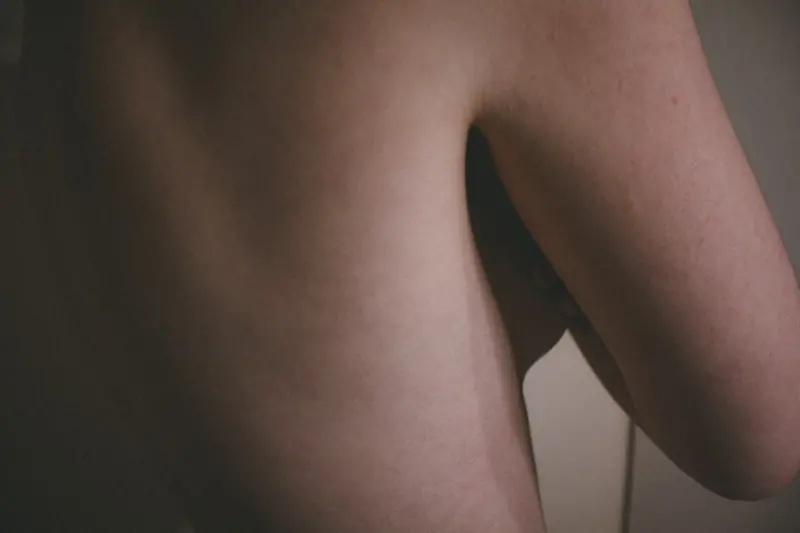
Micro‑Movement Breaks: Tiny Physical Nudges for Big Brain Gains
When the term “health” pops up in a B2B conversation, most people instantly think of high‑intensity workouts, meditation apps, or ergonomic chairs. Those are valuable, but they’re also the big‑ticket items that dominate headlines. What if the next frontier in workplace wellness isn’t a new piece of equipment or a sprawling wellness program, but a series of microscopic movement rituals woven into the fabric of the workday?
In my years consulting with tech‑forward organizations, I’ve watched productivity graphs spike and dip as teams adopt everything from standing desks to AI‑driven mindfulness bots. Yet the most consistent driver of sustained cognitive performance turns out to be something almost invisible: micro‑movement breaks. These are brief, intentional motions—think shoulder rolls, ankle circles, or a quick desk‑side stretch—that take just 30‑seconds to a minute. When executed regularly, they act like a low‑level “software patch” for the brain, smoothing out the friction that builds up during long periods of sitting and screen focus.
Why Micro‑Movements Matter More Than You Think
Neuroscience tells us that the brain’s default mode network (DMN) activates when we’re idle, but it can also drift into a state of “cognitive fog” when physical stagnation persists. Even a single minute of light movement re‑stimulates proprioceptive pathways, which in turn:
- Boosts blood flow to the prefrontal cortex, sharpening decision‑making.
- Releases endorphins that mitigate stress hormones like cortisol.
- Resets motor neurons, reducing the micro‑tremors that cause typing errors.
What’s compelling is the scalability. Unlike a 30‑minute yoga class that requires dedicated time slots and space, a micro‑movement break can be slotted into any meeting, sprint review, or even a quick email reply.
Designing a Micro‑Movement Culture
Embedding these tiny nudges into corporate DNA isn’t about imposing a new policy; it’s about creating subtle cues that naturally invite motion. Here’s a practical framework you can roll out in weeks rather than months:
1. Cue‑Based Triggers
Use existing digital rhythms as prompts. For instance, set a soft chime at the top of every hour in your team’s shared calendar. When the sound goes off, everyone pauses for a 45‑second stretch. The cue should be brief and non‑intrusive—think of it as a gentle tap on the shoulder.
2. Visual Reminders
Place small stickers or magnets on monitors that illustrate a simple movement diagram. A tiny icon of a hand rotating can remind a user to roll their wrists. Over time, the visual becomes a subconscious prompt.
3. Community‑Driven Challenges
Gamify the experience with weekly “movement streaks.” Teams earn points for logging their micro‑breaks in a shared spreadsheet. The competitive element keeps participation high without feeling forced.
4. Integration with Existing Tools
Many collaboration platforms now support custom bots. You can program a bot to ask, “Ready for a quick stretch?” after a lengthy document edit session. The bot can even share a short animation of the suggested motion.
5. Leadership Modeling
When senior leaders visibly participate, the practice gains legitimacy. A CEO who stands up during a quarterly review to demonstrate a neck roll sends a powerful signal that the organization values holistic performance.
Micro‑Movement Meets the Digital Environment
Our workplaces are increasingly hybrid, with employees toggling between home offices and corporate hubs. This fluidity amplifies the need for adaptable wellness strategies. Unlike a fixed gym, micro‑movements travel with you—your desk, your couch, your airport lounge. They’re the universal language of health that transcends geography.
For those interested in how auditory environments can enhance focus, consider the subtle role of sound in supporting micro‑movement routines. A soft ambient track can mask disruptive office noise, creating a calm backdrop that makes it easier to notice the cue. Explore the science behind this synergy in how ambient soundscapes support focus.
Linking Micro‑Movements with Broader Wellness Design
While micro‑movements are the “micro” layer, they integrate seamlessly with larger design philosophies that bring nature and calm into workspaces. For example, incorporating natural light and indoor greenery—core tenets of biophilic design principles—creates an environment where the body feels invited to move. The combination of visual nature cues and brief physical nudges amplifies the restorative effect, turning a standard office into a dynamic health hub.
Measuring Impact: From Intuition to Data
One of the biggest challenges with wellness initiatives is proving ROI. Micro‑movements, however, lend themselves to straightforward metrics:
- Productivity Scores: Track the number of completed tasks before and after implementing a micro‑break schedule.
- Error Rates: Monitor typo frequency in documentation as a proxy for fine‑motor fatigue.
- Self‑Reported Energy Levels: Use quick pulse surveys (e.g., “On a scale of 1‑5, how energized do you feel right now?”) before and after breaks.
When combined with analytics platforms, these data points can be visualized in real‑time dashboards, giving leadership a clear view of the health‑productivity nexus.
Case Study: A Tech Startup’s Leap to Cognitive Clarity
A mid‑size SaaS startup with 120 engineers adopted a micro‑movement protocol during a major product launch. The initiative included:
- Hourly 45‑second stretch alerts.
- A Slack bot that posted short animated GIFs of wrist circles.
- Weekly “movement leaderboards” with small rewards.
Within six weeks, the team reported a 12% reduction in self‑identified burnout, and bug resolution times improved by 8%. The subtle shift in daily rhythm also fostered a more collaborative atmosphere, as spontaneous “stretch chats” became informal brainstorming sessions.
Practical Micro‑Movement Library
Below is a starter kit of movements you can integrate instantly. Each can be performed sitting or standing, with no equipment required.
- Neck Release: Tilt your head toward each shoulder, hold for three breaths, then gently turn your head left and right.
- Shoulder Shrugs: Lift shoulders to ears, hold two seconds, release. Repeat ten times.
- Wrist Waves: Extend arms, rotate wrists clockwise five times, then counter‑clockwise.
- Seated Leg Extensions: Straighten one leg, hold for three seconds, lower. Alternate legs for a minute.
- Spinal Twist: Sit tall, place right hand on left knee, gently twist torso left; switch sides.
Beyond the Desk: Micro‑Movements in Meetings
Meetings often become static marathons. Break the monotony by allocating a “movement minute” at the start or midpoint. This not only re‑energizes participants but also improves attentiveness, leading to more decisive outcomes.
Future Outlook: Micro‑Movement as a Platform Feature
Imagine a SaaS platform that automatically detects prolonged inactivity via webcam or keyboard activity and suggests a micro‑break. Such an integration would blur the lines between productivity tools and health assistants, creating an ecosystem where wellness is baked into every workflow. As AI continues to personalize user experiences, we can expect micro‑movement recommendations to become context‑aware, suggesting specific stretches based on the type of work being performed.
Wrapping Up: The Power of Tiny Nudges
In the grand scheme of corporate health, micro‑movement breaks might seem modest, but their cumulative impact is anything but. They require minimal resources, adapt to any environment, and produce measurable gains in mental clarity and physical comfort. By embedding these tiny nudges into daily routines, you’re not just adding a wellness perk—you’re reshaping the way work gets done, one subtle motion at a time.
Start small. Choose a single cue, champion it for a week, and watch the ripple effect unfold across your organization. The next time you hear a soft chime, consider it a gentle invitation to move, breathe, and reset—because the biggest breakthroughs often begin with the smallest steps.

Robert Mathews is a professional content marketer and freelancer for many SEO agencies. In his spare time he likes to play video games, get outdoors and enjoy time with his family and friends .
Related Posts
Wearable Wisdom: Turning Everyday Data Into Lasting Health Habits
Discover practical ways to decode your wearable’s data, align your environment, and build micro‑... Read More

Quiet Health Upgrades for Remote Professionals: Breath, Light, and Kitchen Hacks
Learn three subtle yet powerful health upgrades—breathwork resets, natural lighting tricks, and a ... Read More
Unlocking Peak Performance: How Your Body Clock Can Transform Workplace Health
Discover why respecting your chronotype—whether you’re an early bird or night owl—can boost fo... Read More
Top Posts

When AI Becomes Your Enterprise’s Silent Coach
A silent coach is an AI layer that monitors interactions, surfaces actionable insights, and learns from user responses, turning data into real‑time guidance t...Read More
AI‑Augmented Compliance: Turning Regulatory Overload into Strategic Advantage
AI is reshaping compliance from a reactive burden to a proactive competitive edge. Discover practical AI capabilities—regulation mining, control mapping, and ...Read More

Capturing Micro‑Moments: Real‑Time SEO for Instant Intent
Learn to dominate micro‑moments with actionable, real‑time SEO strategies that capture instant user intent, boost visibility, and drive sustained traffic....Read More

Why Digital Twins Are the Next Frontier for SaaS Product Innovation
Digital twins are emerging as a powerful tool for SaaS companies, enabling real‑time simulation of user behavior, predictive insights, and faster iteration cy...Read More
0 Comments
Post Comment
You will need to Login or Register to comment on this post!