

Why Intent Beats Rankings Every Time
In the noisy world of B2B SaaS, everyone still clings to the old mantra: “Rank higher, get more traffic.” It’s an easy story to tell, but the reality is far messier. A page that sits at #3 for a generic keyword can bring in dozens of clicks that never translate into a trial, a demo, or a paid seat. By contrast, a page that languishes at #15 for a hyper‑specific phrase can be a conversion powerhouse because it aligns perfectly with what the searcher actually wants to achieve.
That’s the essence of an intent‑first SEO strategy. Instead of obsessing over raw rankings, we start by asking: What problem is the user trying to solve right now? From there, we map that problem to the stage of the buyer’s journey, craft the content that satisfies it, and engineer the technical signals that tell Google – and any emerging AI search model – that this page is the definitive answer.
The Three Layers of Intent
Think of intent as a three‑dimensional construct:
- Task‑based intent – “How do I integrate Stripe with my SaaS product?”
- Outcome‑based intent – “Increase churn‑free revenue by 20%.”
- Contextual intent – “Best practices for remote onboarding in 2024.”
Each layer requires a different content format, keyword focus, and internal linking strategy. Task‑based queries often demand step‑by‑step guides or code snippets. Outcome‑based queries thrive on case studies and ROI calculators. Contextual intent calls for thought leadership pieces that weave industry trends with practical advice.
Mapping Intent to the SaaS Funnel
When you overlay the intent layers onto the classic SaaS funnel (Awareness → Consideration → Decision → Retention), a clear pattern emerges. The top of the funnel is dominated by broad, informational intent. Mid‑funnel content should answer outcome‑based questions, while the bottom of the funnel must satisfy very precise, task‑oriented searches.
Here’s a quick reference table you can paste into your SEO roadmap:
| Funnel Stage | Primary Intent | Content Type | SEO Signal |
|---|---|---|---|
| Awareness | Task‑based (broad) | Blog posts, industry overviews | Schema.org Article, topical authority |
| Consideration | Outcome‑based | Case studies, ROI calculators | Structured data FAQ, internal linking depth |
| Decision | Task‑oriented (specific) | Implementation guides, API docs | Code snippets, SEO as Code practices |
| Retention | Contextual & ongoing | Best‑practice webinars, product updates | Live data feeds, Navigating Google’s AI‑Driven Search insights |
Intent Clustering: From Raw Queries to Actionable Segments
Google’s AI models are getting better at inferring intent, but they still rely on the signals you provide. One of the most effective ways to give them a clear picture is to cluster similar queries together and then create pillar content that addresses the whole cluster.
Here’s a step‑by‑step workflow you can implement with any modern data stack:
- Gather raw query data: Pull search console data, paid search logs, and internal site search logs into a unified table.
- Vectorize queries: Use a lightweight sentence‑embedding model (e.g., OpenAI’s text‑embedding‑ada‑002) to turn each query into a numeric vector.
- Cluster vectors: Apply a clustering algorithm such as HDBSCAN or K‑Means to group queries with similar semantic meaning.
- Label clusters: Assign a human‑readable intent label (e.g., “API integration troubleshooting”) to each cluster.
- Map to funnel stages: Use conversion data to see which clusters drive demos, trials, or renewals.
- Build or refine content: For high‑value clusters, create a dedicated page or expand an existing one to cover the entire intent space.
This process not only surfaces hidden high‑value keywords but also gives you a data‑driven content calendar that’s directly linked to revenue outcomes.
Technical Foundations: Making Intent Discoverable
Even the most brilliant content will flounder if search engines can’t parse its intent. Here are three technical levers you should pull:
- Schema markup for intent: Beyond the standard
ArticleorFAQPage, you can usePotentialActionandQuestiontypes to explicitly declare the user’s goal. This helps Google’s AI models surface your page in answer boxes. - URL hierarchy that reflects intent depth: A URL like
/guides/api-integration/stripesignals a specific, task‑oriented piece, whereas/resources/saas-growthindicates broader, awareness‑level content. - Internal linking with intent signals: Anchor text should echo the target page’s intent label. For example, use “how to set up Stripe webhooks” instead of generic “click here”. This reinforces the semantic relationship for crawlers.
Turning Data Into a Real‑Time SEO Dashboard
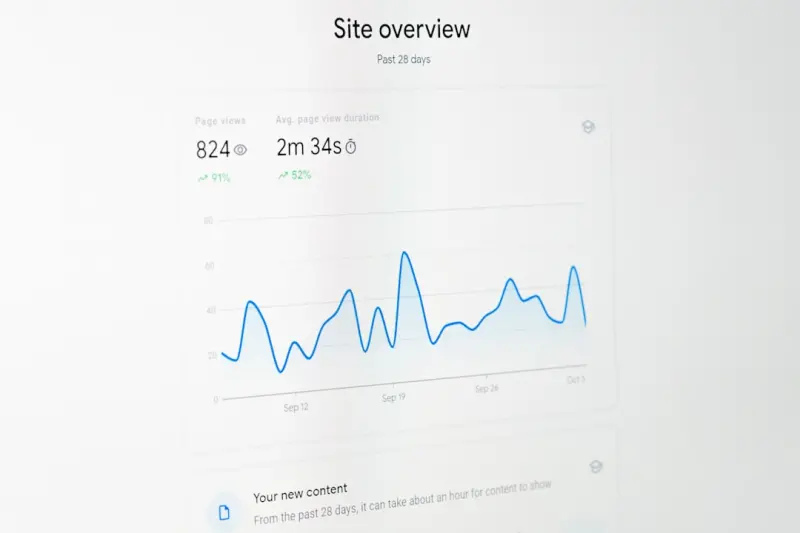
Most SaaS teams treat SEO as a quarterly reporting exercise. To truly embed intent‑first thinking into your growth engine, you need a real‑time SEO dashboard that surfaces:
- Impressions and CTR by intent cluster.
- Conversion rates (demo requests, trial sign‑ups) per cluster.
- Content health metrics (crawl errors, Core Web Vitals) tied back to intent.
Tools like Google Looker Studio can be a starting point, but for a truly scalable solution consider a data‑warehouse layer that ingests Search Console, GA4, and your CRM. Combine those feeds with the cluster table you built earlier, and you’ll have a single pane of glass where every SEO decision can be evaluated against revenue impact.
Case Study: A Mid‑Market SaaS Turns Intent Into $1M Pipeline
One of our clients—a mid‑market project‑management SaaS—was stuck at a 5% conversion rate from organic traffic despite ranking in the top five for several broad terms. We applied the intent‑first framework:
- Extracted 12,000 organic queries from Search Console.
- Clustered them into 34 distinct intent groups.
- Identified three high‑value outcome‑based clusters (“reduce project churn”, “improve team velocity”, “automate reporting”).
- Created dedicated landing pages with case studies, ROI calculators, and downloadable templates.
- Implemented schema markup for
OfferandQuestiontypes. - Monitored performance in a Looker Studio dashboard.
Within six months, organic‑derived qualified leads grew by 68%, and the average deal size from those leads jumped 22% because the content had already addressed their core business outcomes. The result? Over $1 million of new pipeline attributed directly to intent‑first SEO.
Common Pitfalls and How to Avoid Them
Pitfall #1: Over‑optimizing for a single keyword. It’s tempting to chase a high‑search‑volume term, but if the surrounding content doesn’t match the user’s true intent, bounce rates will skyrocket and Google will demote the page.
Pitfall #2: Ignoring the “zero‑click” landscape. A growing share of searches end with an instant answer. By using structured data and concise, answer‑ready snippets, you can capture value even when the user never clicks.
Pitfall #3: Treating intent as a one‑off exercise. Search intent evolves with market trends, product releases, and competitor moves. Schedule quarterly intent reviews to re‑cluster queries and refresh content.
Integrating Intent‑First SEO with Your Product Roadmap
When your product team plans a new feature, ask the SEO team: “What intent will this solve for our users?” If the answer is clear, you can pre‑emptively publish a landing page or blog post that captures early search demand. This approach not only accelerates adoption but also gives you a head start in SERP real estate before competitors even know the feature exists.
Conversely, when SEO discovers a high‑value intent cluster that your product doesn’t yet address, it can become a catalyst for product innovation. In this way, SEO and product become co‑pilots in a growth flywheel.
Future‑Proofing: Preparing for AI‑Enhanced Search
AI‑driven models are already reshaping how queries are interpreted. While Navigating Google’s AI‑Driven Search outlines the current landscape, the next wave will likely blend conversational prompts with real‑time data pulls.
To stay ahead, focus on two things:
- Rich, up‑to‑date data feeds: Publish JSON‑LD data that can be consumed by AI agents, such as live pricing tables or feature availability.
- Human‑centred content: AI models still need clear, authoritative narratives to differentiate signal from noise. Keep your tone authentic, your arguments evidence‑based, and your calls‑to‑action crystal‑clear.
Action Plan: Your First 30‑Day Intent‑First Sprint
Ready to put theory into practice? Here’s a starter checklist:
- Day 1‑5: Export all organic queries from Search Console and your site search logs.
- Day 6‑10: Run a quick clustering experiment using a free embedding API.
- Day 11‑15: Prioritize clusters based on conversion lift potential (look at assisted conversions in GA4).
- Day 16‑20: Draft or refresh content for the top three clusters, embedding schema markup and clear intent‑driven headings.
- Day 21‑25: Update internal linking to reflect the new intent hierarchy; use descriptive anchor text.
- Day 26‑30: Deploy a dashboard (Looker Studio or a custom BI view) to monitor impressions, CTR, and downstream leads by intent.
If you stick to this sprint, you’ll have a measurable, intent‑first SEO foundation within a month—ready to scale in the quarters that follow.
Wrapping Up
SEO isn’t a static game of rankings; it’s a dynamic conversation with your audience about what they’re trying to achieve right now. By flipping the script—starting with intent, clustering queries, aligning content to the funnel, and wiring technical signals—you turn raw traffic into a qualified, revenue‑ready pipeline. The payoff isn’t just higher SERP positions; it’s a measurable boost to the SaaS growth engine.
So the next time you hear “Let’s rank for X keyword,” ask yourself: “What intent does X represent, and how can we serve that intent better than anyone else?” The answer will guide you to content that not only ranks, but also converts, retains, and fuels long‑term growth.

Paul Flynn is a versatile freelance writer equipped with a diverse skillset and a portfolio that reflects his wide-ranging interests and expertise. From crafting compelling website copy and engaging blog posts to delivering in-depth articles and meticulously researched reports, Flynn demonstrates a remarkable ability to adapt his writing style to suit various audiences and purposes.
Related Posts

Mastering Intent Clusters: A New Blueprint for SEO Success
Learn to map user intent clusters, craft hyper‑personalized content, and leverage zero‑party dat... Read More

Zero-Click Search: Winning the SERP Without a Click
Zero‑click search is reshaping SEO. Discover practical tactics—from answering queries directly t... Read More
Mastering the New SERP Landscape: From Snippets to AI Answers
A fresh take on SEO for the AI era: learn to win featured snippets, leverage visual search, and buil... Read More
Top Posts

The Untapped Power of Structured Data for B2B SaaS SEO
Structured data lets SaaS companies turn ordinary search listings into rich, interactive results that highlight pricing, features, and trust signals—driving h...Read More

Wearable Tech and Biofeedback: The New Frontier for Workplace Stress Management
A deep dive into how modern wearables track physiological signals, use AI for personalized stress alerts, and integrate into corporate wellness programs, offeri...Read More

The Power of Daily Micro‑Movement Rituals for Lasting Vitality
Learn why tiny, frequent motions are the secret to better circulation, sharper focus, and lasting vitality—plus simple tips to embed them into any routine....Read More

A Nature‑Infused Desk: Small Steps to Big Health Gains
A nature‑infused workstation blends greenery, natural light, and organic textures to lower stress, improve focus, and enhance physical health—simple tweaks ...Read More
0 Comments
Post Comment
You will need to Login or Register to comment on this post!