
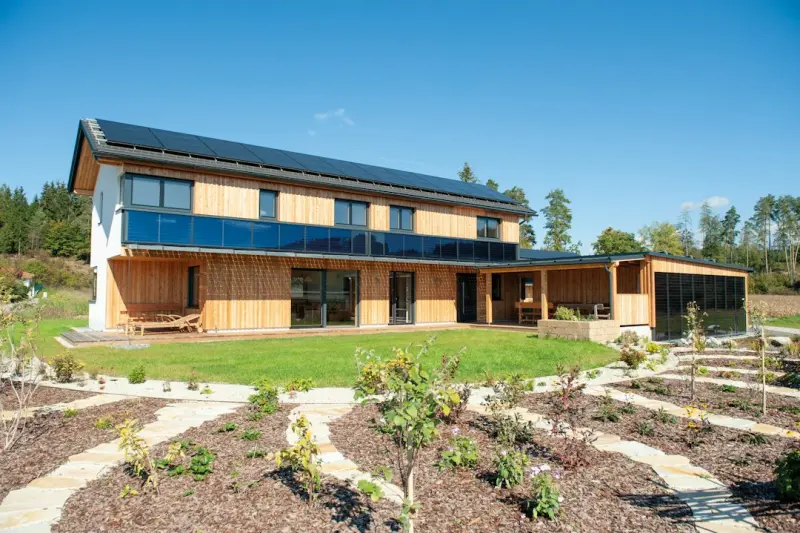
Why Bringing the Outdoors Inside Is the Freshest Home Trend
When I first moved into my downtown loft, the concrete walls and the perpetual hum of the city felt like a constant reminder that I was living inside a machine. I craved a breath of fresh air—literally. That craving sparked a biophilic makeover, a design philosophy that celebrates our innate connection to nature. Since then, I’ve watched my mood lift, my focus sharpen, and even my sleep improve. If you’ve ever felt the same tug toward greenery, this guide is for you. It’s not about turning your home into a greenhouse; it’s about weaving subtle, natural elements into everyday spaces so that every room feels like a quiet forest glade.
Understanding the Science Behind Biophilic Design
Biophilic design isn’t just an Instagram trend; it’s backed by research from environmental psychologists and neuroscientists. Studies show that exposure to natural light, plants, and organic textures can lower cortisol levels, boost creativity, and even accelerate recovery from illness. The theory is simple: humans evolved in environments where nature was the norm, so our brains are hard‑wired to respond positively to natural cues. By recreating those cues at home, we give our nervous system a chance to hit the “reset” button after a long day of screens and meetings.
Start Small: Adding Greenery Without a Green Thumb
One of the biggest myths about biophilic design is that you need a sprawling garden or a botanical degree. The truth is, a few well‑chosen plants can make a world of difference. Here are some low‑maintenance options that thrive in low‑light apartments:
- Snake Plant (Sansevieria): Tolerates neglect and helps purify the air.
- Pothos: A trailing vine that looks great on shelves or draped over a bookshelf.
- ZZ Plant: Almost indestructible and adds a glossy, modern touch.
Place them near windows to maximize natural light, or use a grow light if your space is windowless. The key is consistency—water once a week, dust the leaves monthly, and watch them become silent allies in your quest for calm.
Natural Materials: From Wood to Stone
Beyond plants, the textures you choose can evoke a sense of wilderness. Swap out synthetic décor for pieces crafted from reclaimed wood, bamboo, or river stone. A reclaimed‑wood coffee table not only tells a story but also adds a warm, tactile element that invites you to touch, feel, and relax. For the bathroom, consider a pebble‑inset shower floor or a slate vanity countertop. These materials bring a subtle, earthy scent that further deepens the nature connection.
Light, Views, and the Magic of Windows
Sunlight is the ultimate natural element, and positioning your furniture to capture it can transform a room. If you have a south‑facing window, place your desk or reading nook nearby to soak up the morning rays. For spaces with limited daylight, sheer curtains can diffuse light softly while still offering privacy. Mirrors strategically placed across from windows bounce light deeper into the room, creating the illusion of a larger, brighter space.
Small‑Space Strategies: Biophilic Design for Apartments
Living in a compact apartment doesn’t mean you have to sacrifice nature. Here’s how to maximize impact without sacrificing floor space:
- Vertical Gardens: Install a living wall using modular pocket planters. It becomes a living piece of art that doubles as an air purifier.
- Hanging Terrariums: Suspend glass terrariums from the ceiling to add depth and intrigue.
- Plant Shelves: Use narrow floating shelves to display a cascade of small pots.
These solutions keep the floor clear for movement while still delivering the visual and health benefits of greenery.
Creating a Sensory Oasis: Sound and Scent
Nature isn’t just visual—it’s auditory and olfactory, too. A small tabletop water fountain can provide a soothing, low‑frequency hum that masks city noise. Pair it with essential oils like cedarwood or pine to evoke a forest walk. Even a simple bowl of dried lavender or eucalyptus on your nightstand can create a calming bedtime ritual.
Maintenance Made Easy: Keeping Your Indoor Garden Thriving
One of the biggest fears people have about adding plants is the upkeep. Here’s a quick maintenance schedule that keeps your indoor garden healthy without demanding a full‑time gardener:
- Weekly: Check soil moisture; water only when the top inch feels dry.
- Monthly: Rotate pots 90 degrees to ensure even light exposure.
- Quarterly: Prune dead leaves and repot if roots become crowded.
If you’re prone to forgetfulness, set a reminder on your phone or use a smart plant sensor that sends alerts to your device.
Pairing Biophilic Design with a Low‑Stress Home System
To truly amplify the calming effects, integrate your nature‑focused upgrades with the systems I highlighted in Turn Your Home Into a Low‑Stress Powerhouse with Simple Systems. Automate lighting schedules so that your space brightens naturally at sunrise and dims at sunset, aligning with your circadian rhythm. Use smart thermostats to maintain a comfortable temperature that complements the warmth of natural wood and the coolness of stone.
Entryway Inspiration: First Impressions of Green
Your front door sets the tone for the entire home. By borrowing ideas from Revitalize Your Entryway: A Functional, Stylish Welcome Hub, you can create an entry that feels like stepping into a garden. Place a small potted fern or a bamboo mat next to the door, add a natural wood bench for shoes, and incorporate a woven basket for mail. This not only adds greenery but also provides functional storage, keeping clutter—and stress—at bay.
Technology Meets Nature: The Future of Smart Green Spaces
While we’ve focused on low‑tech solutions, the future is bright for those who want a blend of tech and nature. Smart planters equipped with moisture sensors can send notifications to your phone when it’s time to water. Integrated LED grow lights can mimic sunrise and sunset cycles, ensuring your plants thrive year‑round. These tools let you enjoy the benefits of biophilic design without the guesswork.
Final Thoughts: Making Nature a Habit, Not a Project
Biophilic design isn’t a one‑off renovation; it’s a lifestyle shift. By consistently introducing natural elements—plants, light, textures, sounds—you create a home that nurtures both body and mind. Start with one plant, swap out a plastic lamp for a wooden pendant, and watch how each small change ripples into greater wellbeing. In a world that constantly pulls us toward screens and steel, your home can become the sanctuary where nature whispers you back to balance.

In the world of freelance writing, where creativity and adaptability are paramount, Michelle Fisher stands out as a dedicated and versatile professional. With a passion for crafting compelling narratives and a keen eye for detail, Michelle has established herself as a trusted voice.
Related Posts

Brightening Your Home: A Practical Guide to Harnessing Natural Light
Learn simple, expert‑approved ways to maximize natural sunlight in every room, from window audits ... Read More
Seasonal Décor Swaps: Freshening Your Home with Nature’s Rhythm
Learn how to breathe new life into every room by swapping décor with the seasons, using natural ele... Read More

Quarterly Home Reset: Reboot Your Space and Mind
A practical guide to a four‑month home reset that declutters, streamlines systems, refreshes ambia... Read More
Top Posts

Beyond Pretty Charts: How Looker Studio Fuels SaaS Growth Through Data Storytelling
Learn why Looker Studio is more than a visualization tool—it's a collaborative, secure platform that turns SaaS data into a growth engine, with practical st...Read More

Riding Google’s AI Wave: A Human‑First Marketer’s Perspective
Explore a human‑first approach to Google’s AI-driven search, blending authenticity with technology for lasting SEO success....Read More

Travel Reinvented: Pop‑Up Eco‑Adventures Shaping the Future
A deep dive into the emerging trend of pop‑up eco‑adventures, showing how temporary, sustainable travel experiences are reshaping the way we explore the wor...Read More

Micro‑Communities: The Untapped Goldmine for Modern Marketers
Explore why small, niche online groups are the most powerful marketing asset today and learn actionable steps to engage, convert, and grow within them....Read More
0 Comments
Post Comment
You will need to Login or Register to comment on this post!