
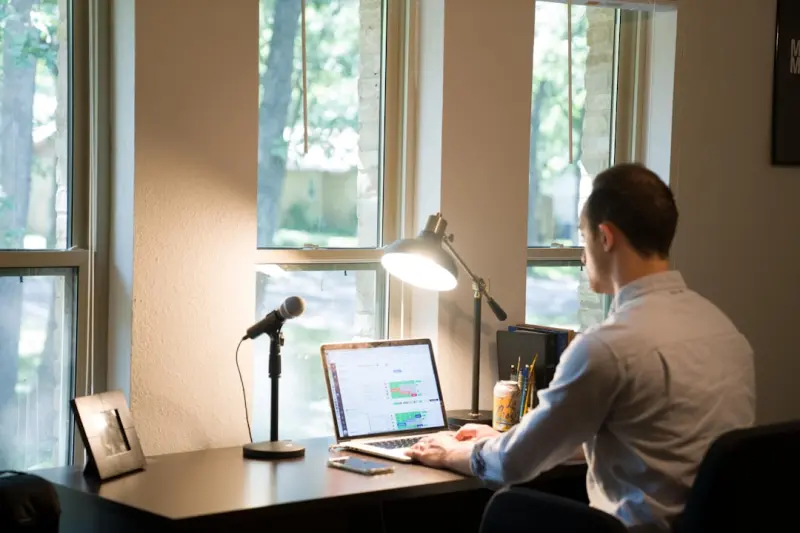
Why Small Motions Matter More Than You Think
When I first swapped my downtown office for a home desk, the biggest surprise wasn’t the flexibility—it was how quickly my body began to protest. The low‑back ache, the stiff neck, the midday slump—they all arrived in a matter of weeks. I assumed a few stretches would fix it, but the real solution turned out to be a series of micro‑movements woven throughout the day, paired with subtle tweaks to the environment that most of us overlook.
Micro‑Movement: The Hidden Superpower
Research shows that even a minute of intentional movement can spike circulation, reset posture, and clear the mental fog that builds after long periods of sitting. The magic isn’t in the intensity; it’s in the frequency. Think of your body as a high‑performance engine that needs regular, tiny bursts of fuel to keep running smoothly.
- Neck Nods – Every hour, sit tall and gently nod your head forward and back 10 times. This releases tension in the cervical spine.
- Seated Cat‑Cow – While seated, place your hands on your knees, inhale to arch your back (cow), exhale to round (cat). Repeat five times.
- Desk Push‑Offs – Place your palms flat on the desk, push down as if you’re trying to lift the surface. Hold for three seconds, release, and repeat 8–10 times. This engages the chest, shoulders, and triceps.
- Heel‑to‑Toe Rock – Stand behind your chair, lift your heels, then rock back onto your toes. Alternate for a minute to stimulate calf muscles and improve balance.
Integrating these actions is simple: set a timer, use a phone reminder, or link them to a recurring task in your project management tool. The goal is to make movement an automatic cue, not an after‑thought.
Breathing Fresh Air Without Leaving the House
Movement alone can only take you so far if the air you’re inhaling is stale or laden with pollutants. Indoor air quality (IAQ) has a profound impact on respiratory health, cognitive performance, and even mood. While most people think about opening a window once a day, there are daily habits that can dramatically improve the air you breathe.
- Strategic Plant Placement – Certain houseplants, like the snake plant or spider plant, act as natural air purifiers, removing volatile organic compounds (VOCs) and adding oxygen.
- Air‑Flow Mapping – Position a small fan to create a gentle cross‑breeze that pulls fresh air in through a window and pushes stale air out through a door.
- Humidity Balance – Keep indoor humidity between 40‑60% using a humidifier or dehumidifier. This range discourages mold growth and reduces the spread of airborne viruses.
- Low‑VOC Materials – Opt for furniture and paints labeled as low‑VOC. Even simple changes like replacing synthetic carpets with natural fiber rugs can lower emissions.
For a deeper dive into practical indoor‑air hacks, check out this resource: improve indoor air quality. It outlines ten everyday actions that any remote worker can implement without a major overhaul.
The Synergy Between Movement and Air
When you combine micro‑movement with better air, you create a feedback loop that amplifies benefits. Fresh oxygen fuels muscles, enabling you to move with more ease. In turn, movement helps your lungs ventilate more efficiently, ensuring that the fresh air you’ve introduced is fully utilized.
One experiment I tried was a 5‑minute “air‑stretch” routine at the start of each workday: open the blinds, step onto a mat, do a series of gentle stretches while taking deep diaphragmatic breaths. The result? Within weeks, my morning headaches vanished, and I noticed a sharper focus during the first two hours of work.
Tech‑Enabled Wellness: Small Gadgets, Big Impact
While the post tech‑enabled wellness habits explores a wide range of gadgets, there are a few that fit perfectly into a micro‑movement, IAQ‑focused routine:
- Desk‑Mounted Air Quality Sensors – These devices provide real‑time feedback on particulate matter and VOC levels, prompting you to open a window or activate a purifier.
- Posture‑Tracking Wearables – Gentle vibration alerts when you slouch, encouraging you to sit tall and stretch.
- Smart Light Strips – Adjust color temperature throughout the day to mimic natural daylight, which supports circadian rhythms and reduces eye strain.
Investing in one or two of these tools can turn abstract health goals into concrete data points you can act on daily.
Designing a Workspace That Invites Movement
Most people think of ergonomics as a single chair or monitor height. In reality, the entire layout can either trap you in a static posture or invite fluid motion. Here are design principles that foster micro‑movement:
- Varied Work Surfaces – Alternate between a standing desk, a high‑table, and a traditional seated desk. The change forces you to adjust your posture and engage different muscle groups.
- Movement‑Friendly Zones – Create a small “stretch corner” with a yoga mat, a foam roller, and a resistance band. Keep it visible to remind yourself to use it.
- Clear Pathways – Arrange furniture to allow a short walking loop around your space. Even a 20‑foot circuit can serve as a quick cardio break.
- Visual Cues – Place sticky notes or a small poster with your micro‑movement checklist at eye level. Visual reminders are powerful triggers.
When you design with movement in mind, the habit becomes effortless—your environment does the prompting for you.
Nutrition Hacks for the Remote Worker
Movement and air are only two pieces of the health puzzle. Nutrition plays an equally crucial role, especially when the kitchen is just a few steps away. Instead of overhauling your diet, start with these micro‑adjustments:
- Hydration Stations – Keep a glass of water on your desk and aim for at least 2 liters daily. Adding a slice of citrus or cucumber makes it more appealing.
- Protein‑First Snacks – Swap sugary treats for a handful of almonds, Greek yogurt, or a boiled egg. Protein stabilizes blood sugar, reducing energy crashes.
- Timed Meals – Align your meals with work blocks. For example, a light, balanced lunch before your biggest meeting can improve concentration.
- Mindful Eating Breaks – Put your phone away, focus on the flavors, and chew slowly. This practice aids digestion and prevents overeating.
Mindset: Turning Micro‑Habits into a Lifestyle
All the tactics in this article are only as effective as the mindset behind them. I’ve found that framing these actions as micro‑investments rather than chores makes a huge difference. Each minute of stretching, each breath of cleaner air, and each bite of protein is a deposit into your long‑term health “bank account.”
Start simple: pick one micro‑movement and one air‑quality habit. Track them for a week. Celebrate the small wins—maybe a brighter morning mood or a noticeable reduction in neck tension. Then, layer another habit on top. Over a month, you’ll have built a robust, self‑sustaining health system that feels almost invisible, yet profoundly powerful.
Putting It All Together: A Sample Day
Below is a realistic schedule that blends movement, air, technology, and nutrition without demanding a massive time commitment.
- 7:00 am – Wake‑Up Stretch: 5‑minute floor stretch, focusing on the spine and hamstrings.
- 7:30 am – Hydration + Light: Glass of water, sunlight exposure (open blinds).
- 8:00 am – Work Start: Desk‑mounted air sensor shows VOC level < 200 µg/m³. Begin with a posture reminder.
- 9:00 am – Micro‑Movement Break: 1‑minute neck nods and desk push‑offs.
- 10:00 am – Snack: Greek yogurt with berries.
- 11:00 am – Air‑Refresh: Open window for 5 minutes, activate fan for cross‑breeze.
- 12:00 pm – Lunch: Balanced plate—lean protein, complex carbs, veggies.
- 1:00 pm – Standing Desk Session: Switch to standing, perform heel‑to‑toe rocks for 2 minutes.
- 2:30 pm – Mid‑Afternoon Stretch: Seated cat‑cow, 5 repetitions.
- 3:30 pm – Hydration Check: Refill water bottle, add lemon slice.
- 4:00 pm – Tech Review: Glance at air sensor data, adjust purifier if needed.
- 5:00 pm – End of Workday: 5‑minute “air‑stretch” routine near the window, deep diaphragmatic breaths.
- 6:00 pm – Evening Walk: Light 15‑minute walk around the block, enjoying fresh air.
Following a template like this for a week can reveal patterns—perhaps you feel a dip in focus after lunch, prompting you to add a micro‑movement before your afternoon meeting.
Final Thoughts: The Cumulative Power of Tiny Choices
The health challenges faced by remote workers aren’t new, but the solutions are evolving. By treating your body as a system of small, repeatable actions—micro‑movements, strategic breathing, and mindful nutrition—you create a resilient foundation that supports both productivity and well‑being. The environment you craft, the technology you embrace, and the habits you nurture all converge into a holistic health playbook that scales with your career.
Remember, the goal isn’t perfection; it’s progress. Each minute you invest in a stretch, each breath of cleaner air, each bite of protein is a vote for a healthier you. Over time, those votes add up to a winning majority.

Robert Mathews is a professional content marketer and freelancer for many SEO agencies. In his spare time he likes to play video games, get outdoors and enjoy time with his family and friends .
Related Posts

Micro‑Movements: Tiny Desk Exercises That Supercharge Health and Focus
Micro‑movements are brief, intentional motions you can do at your desk to break up sitting, boost ... Read More

Why Eating with Your Body Clock Beats Any Diet Trend
Learn the science of chrononutrition and how timing your meals to your internal clock can transform ... Read More

Micro‑Detox at Work: Tiny Rituals for Big Energy
Learn how five‑minute micro‑detox rituals—breathing, stretching, cold splashes, visual breaks,... Read More
Top Posts
Edge AI: Bringing Smarter Decisions to Your Pocket
Edge AI is turning ordinary gadgets into proactive assistants that process data locally, delivering instant results, stronger privacy, and fresh business value....Read More
Surfing the Google AI Tide: Rose DesRochers’ Real‑World Playbook
Rose DesRochers shares her front‑row experience with Google Gemini, offering actionable SEO tactics, ethical guidelines, and a roadmap to future‑proof your ...Read More
Why Conversational Commerce Is the New Backbone of Digital Marketing
Conversational commerce is turning chat and messaging apps into powerful sales engines. Learn why real‑time dialogue, AI‑enhanced bots, and seamless integra...Read More
Composable Business Platforms: The New Blueprint for Scalable SaaS
Composable business platforms transform SaaS development by modularizing functionality, enabling rapid feature delivery, resilient scaling, and future‑proof i...Read More
0 Comments
Post Comment
You will need to Login or Register to comment on this post!