
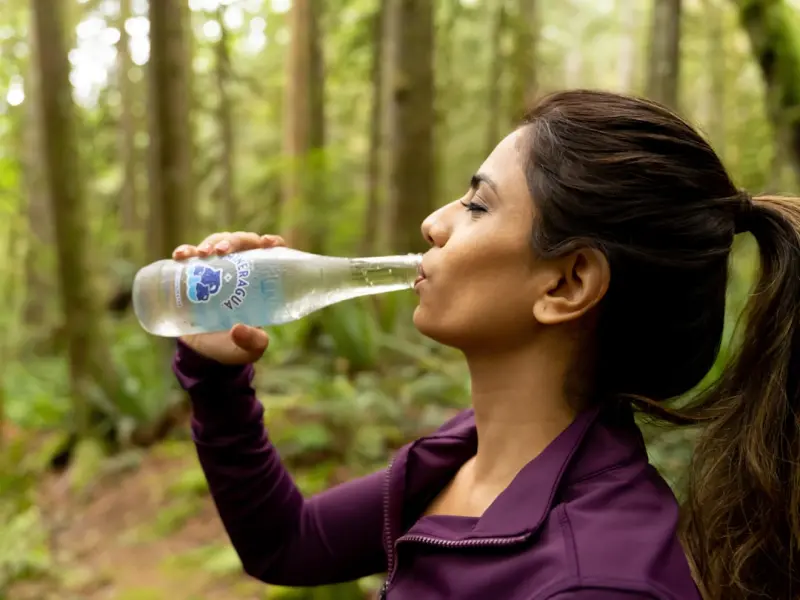
Why Hydration Matters Beyond Thirst
When you’re deep in a code sprint or juggling a product roadmap, the first thing you notice when you’re stuck is often a mental block—not a dry throat. Yet research shows that even mild dehydration can impair attention, short‑term memory, and decision‑making speed. In the high‑velocity world of tech, a tiny dip in cognitive performance can cascade into missed deadlines, flawed feature specs, or a sub‑optimal user experience. The paradox is that you might feel “fine” while your brain is operating at 90 % efficiency because the body’s internal signal (thirst) lags behind the actual need for water.
The Science of Water and Cognitive Function
Our brains are roughly 75 % water. Neurons rely on a precise balance of electrolytes to fire correctly, and that balance is maintained by the fluid surrounding them. A drop of just 2 % in total body water can lead to a measurable decline in mental agility. Studies from leading neuroscience labs have demonstrated that:
- Reaction time slows by up to 30 % after just 1.5 L of fluid loss.
- Working memory capacity shrinks, making it harder to juggle multiple variables in a product backlog.
- Mood swings become more pronounced, increasing irritability during stand‑ups and retrospectives.
These effects are not limited to athletes; they are just as relevant to developers, product managers, and data scientists who rely on rapid mental toggling.
Common Myths That Undermine Your Intake
Even seasoned professionals fall prey to hydration myths that keep them chronically under‑watered:
- “I only need to drink when I’m thirsty.” Thirst is a lagging indicator—by the time you feel it, dehydration may already be affecting cognition.
- “Coffee counts as fluid.” While coffee does contribute to total intake, its diuretic effect can offset the benefit, especially in high‑caffeine environments.
- “I’ll hydrate once I finish this sprint.” Delaying water intake creates a compounding deficit; the longer you wait, the harder it is to re‑hydrate quickly.
Dispelling these myths is the first step toward building a resilient, water‑first culture in your team.
Strategic Hydration Hacks for the Digital Workspace
Below are actionable tactics that integrate seamlessly into a tech‑focused workflow. Each hack is designed to be low‑friction, so you don’t have to rewrite your entire routine.
1. Set Micro‑Water Goals Aligned with Task Blocks
Instead of the generic “8 glasses a day” mantra, tie water consumption to your Pomodoro intervals. For example, sip 150 ml after every 25‑minute focus block. This creates a natural rhythm: focus → hydrate → refocus.
2. Leverage the “Drink‑While‑Listen” Technique
During meetings or webinars, keep a reusable bottle on your desk and take a sip each time a new slide appears. This ensures you stay hydrated without breaking your engagement.
3. Use Smart Hydration Reminders
Most operating systems now support custom notifications. Set a subtle, recurring reminder that pairs a short stretch with a water break. The stretch helps counteract the posture fatigue many remote workers experience, while the water sip addresses the cognitive dip.
4. Optimize the Temperature and Flavor Profile
Cold water can be less appealing during long coding sessions. Try room‑temperature or slightly chilled water infused with citrus or cucumber slices. The subtle flavor makes the habit more pleasant without adding sugar.
5. Pair Hydration With Nutrient Timing
When you schedule your meals, align your water intake to support digestion. For instance, drink a glass of water 30 minutes before a protein‑rich lunch to facilitate nutrient absorption, and another glass 15 minutes after to aid metabolic processing.
For deeper insights on how nutrition strategies for screen‑heavy days can complement hydration, explore the linked guide.
6. Integrate Hydration Into Your Idea‑Generation Flow
Creative brainstorming sessions often suffer from “mental stickiness.” A simple sip can act as a cognitive reset, loosening neural pathways just enough to spark fresh connections. Pair this with AI‑enhanced brainstorming techniques for a double‑boost: the water jump‑starts the brain, and the AI tools provide divergent prompts.
7. Track and Iterate Using Simple Metrics
Adopt a lightweight tracking sheet (or a habit‑tracking app) that logs water volume, time of intake, and self‑rated focus level. Over a two‑week period, you’ll likely spot patterns—perhaps you’re most sluggish after lunch, indicating a hydration dip.
Integrating Hydration Into Your Productivity System
Most tech teams already use project management tools like Jira, Asana, or Notion. Embed hydration checkpoints directly into those tools:
- Custom Status Tags: Add a “Hydrated” tag to tasks once you’ve completed the associated water break.
- Automation Scripts: Use a simple Zapier workflow that triggers a Slack reminder after a task moves to “In Review”.
- Team Dashboards: Visualize collective water intake trends alongside sprint velocity. Seeing a correlation can reinforce the habit for the whole crew.
When the team perceives hydration as a shared KPI rather than an individual chore, adoption skyrockets.
Measuring Impact and Adjusting Over Time
After implementing the above hacks for a month, evaluate two key dimensions:
- Quantitative Performance Metrics: Compare story points completed, bug turnaround time, and meeting engagement scores before and after the hydration protocol.
- Qualitative Feedback: Conduct a short survey asking team members about perceived focus, mood stability, and overall well‑being.
Positive shifts—such as a 10 % increase in sprint predictability or a noticeable drop in “brain fog” comments—validate the effort. If results are muted, consider adjusting variables: increase water volume, fine‑tune the timing of reminders, or experiment with electrolyte‑enhanced beverages for days with intense mental load.
Beyond Water: The Role of Electrolytes and Micronutrients
Plain water is a fantastic baseline, but high‑intensity mental work can also deplete electrolytes—especially sodium, potassium, and magnesium. Incorporating a pinch of sea salt or a magnesium‑rich snack (like a handful of almonds) can help maintain the osmotic balance that neurons need for optimal firing.
Additionally, certain micronutrients (B‑vitamins, omega‑3 fatty acids) synergize with hydration to support neurotransmitter synthesis. While these topics merit a deep‑dive of their own, a quick win is to keep a small stash of fortified water tablets at your desk for days when you anticipate long, uninterrupted focus periods.
Creating a Culture of Hydration
Leadership endorsement is crucial. When founders or engineering managers publicly refill their bottles and celebrate a “Hydration Milestone” (e.g., 10 k ml collectively drunk in a day), the behavior normalizes. Consider adding a “Hydration Champion” rotation, where a team member curates fun facts about water science and shares them during weekly stand‑ups.
Conclusion: Small Sips, Big Gains
In an industry that obsessively optimizes code, architecture, and user experience, the simplest variable—water—often remains overlooked. By treating hydration as a performance lever and weaving it into your existing workflow, you unlock sharper focus, steadier mood, and a healthier, more resilient team. Remember: the next breakthrough idea might be just a sip away.

Sanji Patel has dedicated 25 years to the SEO industry. As an expert SEO consultant for news publishers, he emphasizes providing both technical and editorial SEO services to news publishers worldwide. He frequently speaks at conferences and events globally and offers annual guest lectures at local universities.
Related Posts
Micro‑Movements and Air Quality: A Remote Worker’s Health Playbook
A practical guide showing remote workers how tiny stretches, better indoor air, smart tech, and simp... Read More

The Healing Power of Forest Bathing: A Simple Path to Better Health
Explore forest bathing, the science‑backed practice of immersing in nature, to lower stress, stren... Read More
Why Sleep Is the Underrated Productivity Engine for Modern Professionals
Sleep isn’t a luxury; it’s a strategic asset. This article reveals why quality rest fuels sharpe... Read More
Top Posts

Riding Google’s AI Wave: Rose DesRochers’ Insider Take on the Latest Revolution
Rose DesRochers reveals how Google’s AI evolution reshapes search, content creation, and SEO, offering a 30‑day playbook to stay ahead of the AI wave....Read More

Navigating Google’s AI Wave: Rose DesRochers’ Insider Playbook for 2024
Rose DesRochers shares an insider’s playbook for thriving in Google’s AI‑driven search era, offering actionable steps to adapt content, link building, and...Read More

Riding Google’s AI Wave: Why Human Connection Still Beats the Algorithm
Discover how to keep your brand authentic and human‑focused as Google’s AI reshapes search, with actionable tips from a seasoned marketer who blends storyte...Read More
Gamify Your B2B Funnel: Turning Leads into Players
Learn how to transform a traditional B2B funnel into an interactive, game‑driven experience that accelerates leads, deepens engagement, and ultimately drives ...Read More
0 Comments
Post Comment
You will need to Login or Register to comment on this post!