
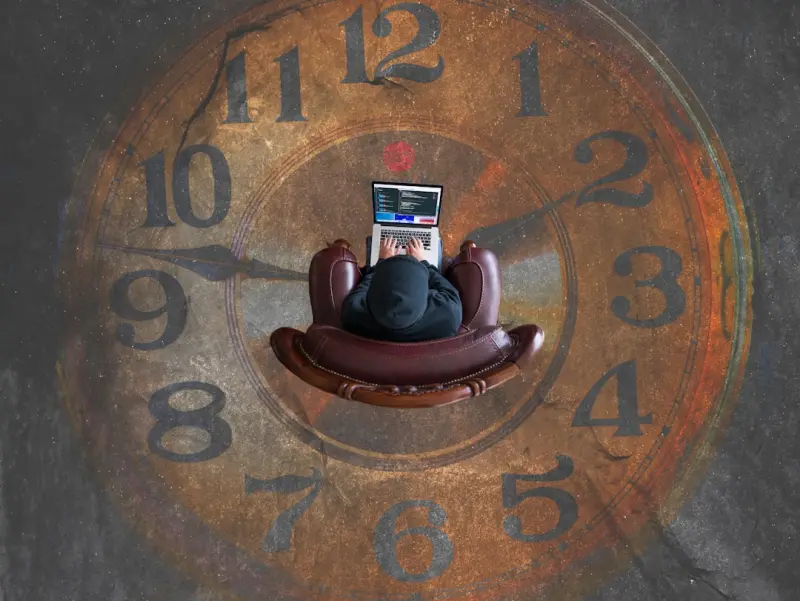
When the line between “office” and “living room” blurs, the body’s internal clock often gets the short end of the stick. I’ve spent the last decade bouncing between conference rooms, coffee‑shop desks, and a spare bedroom‑turned‑workspace, and the one thing that finally stopped feeling like a guessing game was learning how to work with my circadian rhythm instead of against it. Below is a pragmatic playbook for anyone whose workday is defined by a laptop screen rather than a sunrise.
What the Body Clock Really Is
At its core, the circadian rhythm is a 24‑hour feedback loop that regulates hormone release, body temperature, and even gene expression. Think of it as the conductor of an orchestra that includes cortisol (the “wake‑up” hormone), melatonin (the “sleep” hormone), and a host of metabolic pathways. When the conductor is on beat, you feel alert, energized, and capable of deep work. Miss a beat, and you’re left battling brain fog, irritability, and a craving for that extra cup of coffee.
Why Remote Work Throws It Off‑Balance
Traditional office settings impose a social schedule: a set start time, a lunch break, a commute that exposes you to natural daylight, and a clear end to the day. Remote work removes many of those external cues, leaving you to rely on internal signals that are far less reliable when you’re constantly looking at a backlit screen.
Two common pitfalls:
- Lack of consistent light exposure. Natural sunlight is the most powerful Zeitgeber (time‑giver) for the suprachiasmatic nucleus, the brain region that runs the clock.
- Irregular eating windows. Eating late at night can shift the rhythm, making it harder to fall asleep.
Step 1: Harness Light the Right Way
Morning light is your best ally. Aim for at least 20‑30 minutes of exposure within the first two hours after waking. If you live in a region where the sun is shy, a light‑therapy box set to 10,000 lux can simulate the effect.
On the flip side, blue‑rich light from screens suppresses melatonin. Use software filters (like f.lux or built‑in night modes) after sunset, and consider wearing amber‑tinted glasses if you must work late.
Step 2: Time Your Meals Like a Pro
Our metabolism is also tied to the clock. Eating a protein‑rich breakfast can jump‑start cortisol and boost mental clarity, while a light, carbohydrate‑focused lunch keeps energy stable. The crucial move is to finish the bulk of your calories by early evening.
For those who wonder how nutrition ties into energy cycles, a quick read on how what you eat fuels your brain provides a solid foundation. The key takeaway: align larger meals with daylight hours and keep night‑time snacks minimal.
Step 3: Insert Micro‑Movements
Staying seated for hours not only strains the spine but also disrupts the natural dip in body temperature that signals a shift toward rest. Every 90 minutes, stand up, stretch, or do a brief walk. These micro‑movements reset peripheral clocks in muscles and help maintain overall rhythm stability.
Try the “5‑5‑5” rule: 5 minutes of gentle movement, 5 minutes of deep breathing, and 5 minutes of hydration. It’s a tiny ritual with outsized benefits for alertness and mood.
Step 4: Create a “Sleep‑Friendly” Environment
Beyond darkness, temperature and sound play silent roles. Keep the bedroom cool (around 65°F/18°C) and invest in a white‑noise machine or earplugs if street noise is unavoidable. The goal is to make the sleeping space a cue that says, “It’s time to wind down.”
If you struggle with the mental transition from work to rest, consider a brief “wind‑down” ritual: dim the lights, switch off all notifications, and perhaps read a physical book for 10‑15 minutes. Consistency trains the brain to associate these actions with sleep onset.
Step 5: Set Boundaries with Technology
While we love the flexibility of remote work, the “always‑on” mindset can erode circadian health. Schedule a definitive “log‑off” time and stick to it. If possible, separate work and personal devices to reduce the temptation of checking emails after hours.
In addition to visual cues, auditory ones matter. Disable work‑related notification sounds after your cutoff time, and replace them with calming tones or none at all.
Step 6: Leverage Your Physical Space
The layout of your home office can subtly reinforce your internal clock. Position your desk near a window so that natural light floods your workspace in the morning. If that’s not possible, use a full‑spectrum lamp that mimics daylight.
For inspiration on shaping spaces that support well‑being, check out design strategies for healthier living areas. Even small adjustments—like a plant that improves air quality or a calming color palette—can cue your brain that it’s time to be productive.
Step 7: Monitor and Adjust
Every body is unique, so treat this guide as a starting framework rather than a rigid prescription. Track your sleep patterns with a simple app or journal, noting factors like light exposure, meal timing, and caffeine intake. Over a few weeks, you’ll see patterns emerge that tell you what works best for your personal rhythm.
Putting It All Together: A Sample Day
06:30 – Wake Up & Light Exposure
Open curtains, step onto the balcony, or turn on a light‑therapy box.
07:00 – Protein‑Rich Breakfast
Greek yogurt, nuts, and berries to boost cortisol and mental sharpness.
08:30 – Focused Work Block
Turn off non‑essential notifications, use a blue‑light filter, and work for 90 minutes.
10:00 – Micro‑Movement Break
5‑5‑5 routine: stretch, breathe, hydrate.
12:30 – Light Lunch
Salad with lean protein, avoiding heavy carbs that cause post‑lunch slump.
14:00 – Second Focused Block
Same as morning, but consider a short walk after to get afternoon light.
16:30 – Wrap‑Up & Wind‑Down
Turn off work devices, dim lights, and begin a calming activity.
22:00 – Bedtime Routine
No screens, cool room, white‑noise, and a brief reading session.
Common Mistakes and How to Fix Them
- “I can’t get enough sunlight.” Even a 10‑minute balcony break counts. If the weather is bad, a bright indoor lamp is a viable backup.
- “I’m too hungry to skip dinner.” Opt for a light, protein‑focused snack (e.g., a boiled egg) rather than carbs, which can spike insulin and delay melatonin release.
- “My job demands late‑night meetings.” Negotiate a “core hours” window when possible, and if you must attend, use a blue‑light filter and plan a longer wind‑down period afterward.
Why This Matters for Your Bottom Line
Beyond personal health, a well‑tuned circadian rhythm translates into measurable performance gains: higher concentration, faster decision‑making, and reduced error rates. Teams that respect natural energy peaks report lower burnout and higher retention, making rhythm‑aligned work schedules a strategic advantage.
Final Thoughts
Our modern work lives have given us flexibility, but they’ve also stripped away many of the natural cues that keep our bodies in sync. By deliberately re‑introducing light, food, movement, and environmental signals, you can reclaim control over your energy cycles. The result? A sharper mind, a more resilient body, and a workday that feels less like a grind and more like a rhythm you can dance to.

Dale Peterson is a freelance writer with a passion for technology, travel, law and personal finance. With 10 years of experience crafting compelling and informative content, he's dedicated to delivering high-quality writing for Blogging Fusion that engages audiences and achieves specific goals.
Related Posts

Screen Fatigue: Why Our Devices Are Draining Our Health—and What to Do About It
Screen fatigue silently erodes mental clarity, sleep quality, and physical health. This guide outlin... Read More
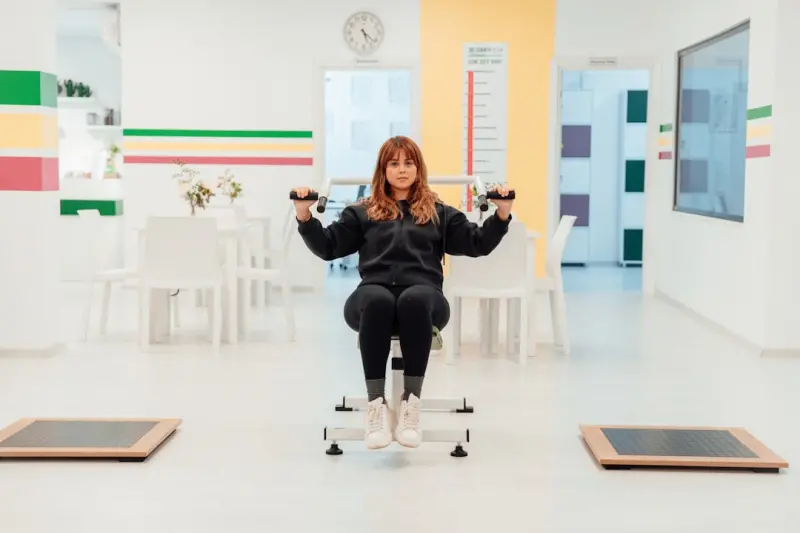
Micro‑Movements: Tiny Exercises That Transform Your Health
Learn how simple, five‑minute micro‑movement routines can reshape your daily life, increase vita... Read More

Feeding Focus: How Gut Health Powers Remote Work Performance
Your gut does more than digest food; it shapes your mental clarity and stamina. Learn the science be... Read More
Top Posts
Zero‑Party Data: The B2B Marketer’s Secret Weapon
Zero‑party data, the information customers willingly share, is reshaping B2B digital marketing. Learn practical tactics, integration tips, and measurable outc...Read More

The Hidden Power of Nutrition Timing for Remote Professionals
Discover why when you eat matters as much as what you eat for remote workers. This guide reveals three timing strategies, tech integrations, and real‑world re...Read More

Why Biofeedback Wearables Are the Next Frontier in Workplace Health
Biofeedback wearables turn physiological data into actionable insights, helping companies create a data‑driven health culture that improves focus, reduces str...Read More

Turning Every Trip Into a Personal Insight Engine
Learn how to treat travel as a data‑driven personal insight engine, using zero‑party data, AI strategists, and purposeful reflection to turn every journey i...Read More
0 Comments
Post Comment
You will need to Login or Register to comment on this post!