

Why Your Spine Deserves a SaaS‑Style Upgrade
When I’m knee‑deep in code reviews and product roadmaps, the last thing on my mind is the way my lower back feels after a marathon of Zoom calls. Yet, after a year of chronic discomfort, I realized that the very principles that drive successful SaaS products—data‑driven iteration, modular design, and proactive monitoring—can be applied to something far more personal: my posture.
In this post I’ll walk you through the mindset shift that turned my “just sit there” routine into a living, breathing system for spinal health. It’s not about buying the most expensive ergonomic chair; it’s about treating your musculoskeletal health the way you would treat a mission‑critical microservice.
The Hidden Cost of “Flat‑Line” Sitting
Remote work has given us the freedom to work from anywhere, but it also introduced a silent epidemic: prolonged static posture. The human body thrives on micro‑adjustments; staying static for hours is akin to running a server with 100% CPU for days—eventually, something breaks.
What I discovered early on is that the pain isn’t just a physical issue; it’s a productivity killer. A nagging ache distracts the mind, lowers focus, and adds a hidden latency to every decision‑making process. In SaaS terms, it’s like a hidden technical debt that compounds until a full‑scale refactor is needed.
Applying the SaaS Lifecycle to Your Body
Here’s how I mapped the classic SaaS development stages onto personal ergonomics:
- Discovery & Data Collection: I started logging my posture every 30 minutes using a simple spreadsheet—just as we would capture usage metrics for a new feature. The data showed a 78% incidence of slouching after the second hour of a meeting.
- Prioritization: Not all posture problems are equal. I ranked issues by impact on productivity (e.g., lower back pain had the highest cost in terms of lost focus). This mirrors the impact‑effort matrix we use for backlog grooming.
- Iterative Improvement: Instead of a one‑off ergonomic overhaul, I introduced incremental changes—adjusting monitor height, adding a footrest, and using a reminder app to stand. Each change was measured for its effect on comfort scores, much like A/B testing a UI tweak.
- Monitoring & Alerts: I set up a “posture health dashboard” using a habit‑tracking app that sent me a gentle nudge when I stayed seated too long. Think of it as a health‑focused zero‑click alert system that catches issues before they become crises.
- Scaling: Once the core routine proved effective, I extended the practice to my whole team. We rolled out a shared posture guide and made the habit‑tracker a part of our onboarding checklist, turning a personal fix into a company‑wide health feature.
Modular Ergonomics: Building a Flexible Setup
One of the biggest lessons from building composable SaaS architectures is the power of modularity. My workstation now consists of interchangeable components that can be swapped out as needs evolve—much like plugging in a new microservice without disrupting the whole system.
Key modules include:
- Display Module: A monitor arm that lets me adjust height and angle on the fly.
- Seating Module: A chair with adjustable lumbar support that can be calibrated in seconds.
- Movement Module: A standing desk converter that slides in and out, allowing me to alternate between sitting and standing without breaking workflow.
- Feedback Module: A wearable posture sensor that vibrates when I slouch—essentially a real‑time health webhook that triggers corrective action.
Because each piece is independent, I can upgrade or replace any component without overhauling the entire setup—a principle that keeps costs low and adaptability high.
Data‑Driven Posture: The Role of Zero‑Party Insights
Just as we champion zero‑party data in marketing—information customers willingly share—our bodies are the ultimate source of zero‑party health data. By actively listening to our own signals (pain, stiffness, fatigue), we can feed that data back into our ergonomic system.
For example, I log daily pain levels alongside work tasks. Over time, a pattern emerged: heavy code reviews paired with long video calls resulted in a spike in lower back strain. Armed with this insight, I scheduled short “posture breaks” after such sessions, dramatically reducing discomfort.
To dive deeper into the concept of leveraging voluntarily shared data for better outcomes, check out our discussion on Zero‑Party Data: The Secret Weapon for Modern Digital Marketing. The principles are surprisingly transferable to personal health.
Automation Meets Awareness: Smart Reminders Without Distraction
In SaaS, we love automation—but we also hate noisy alerts. The same balance is crucial for health reminders. I set up a simple Edge Computing inspired workflow: a lightweight script runs locally on my laptop, detecting prolonged inactivity and sending a discreet desktop notification. No emails, no pop‑ups—just a subtle cue to adjust posture.
This approach mirrors the edge‑first philosophy where processing happens close to the user, reducing latency and preserving privacy. Your body is the endpoint, and the reminder is the edge‑computed signal that nudges you toward better alignment.
Measuring Success: The Health KPI Dashboard
Every SaaS team tracks KPIs: churn rate, MRR, activation metrics. I built a personal health KPI dashboard to track:
- Posture Accuracy Rate: Percentage of time spent in an ergonomically correct position.
- Pain Score: Self‑rated 1‑10 scale logged nightly.
- Focus Index: Number of deep‑work sessions (90‑minute blocks) without posture‑related interruptions.
After three months, my Posture Accuracy Rate climbed from 42% to 81%, Pain Score dropped from an average of 6 to 2, and my Focus Index increased by 35%. Those numbers speak louder than any anecdote.
Culture of Care: From Individual to Organizational Health
When I shared my findings with the product team, the response was enthusiastic. We instituted a weekly “Ergonomic Sprint” where the team spends 15 minutes reviewing posture data, swapping tips, and adjusting their workstations. The sprint has become a low‑friction habit that reinforces the health mindset without feeling like a chore.
Embedding health into the company culture has ancillary benefits: higher morale, lower sick days, and a subtle boost in empathy as team members become attuned to each other’s well‑being.
Future Horizons: AI‑Powered Posture Coaching
Looking ahead, I’m excited about the intersection of AI and ergonomic health. Imagine a virtual coach that analyses webcam feeds in real time, offering personalized adjustments—much like an AI‑driven buyer persona that guides product recommendations. While such technology is still emerging, the roadmap is clear: data collection, model training, and actionable insights, all while respecting privacy.
When that day arrives, I’ll be ready to integrate it into my existing posture ecosystem, ensuring that my spine remains as resilient as the SaaS platforms we build.
Takeaway: Treat Your Body Like a Mission‑Critical Service
Health isn’t a one‑off project; it’s an ongoing service that demands monitoring, iteration, and a culture of continuous improvement. By borrowing the disciplined, data‑centric approach of SaaS development, you can transform a passive “sit‑and‑type” routine into an active, health‑optimized workflow.
Start small: log a few minutes of posture data, make one ergonomic tweak, and set a gentle reminder. Over time, you’ll see the compounding benefits—just as a well‑maintained codebase scales gracefully, a well‑maintained spine supports a thriving career.

Paul Flynn is a versatile freelance writer equipped with a diverse skillset and a portfolio that reflects his wide-ranging interests and expertise. From crafting compelling website copy and engaging blog posts to delivering in-depth articles and meticulously researched reports, Flynn demonstrates a remarkable ability to adapt his writing style to suit various audiences and purposes.
Related Posts

Unlocking Restful Nights: A Personal Guide to Better Sleep
A personal guide to improving sleep, covering night‑time habits, bedroom setup, nutrition, and sim... Read More

Beyond the Clock: Biofeedback Wearables Redefine Stress Management for Modern Professionals
A deep dive into how wearable biofeedback devices, paired with micro‑training and a mindful home e... Read More
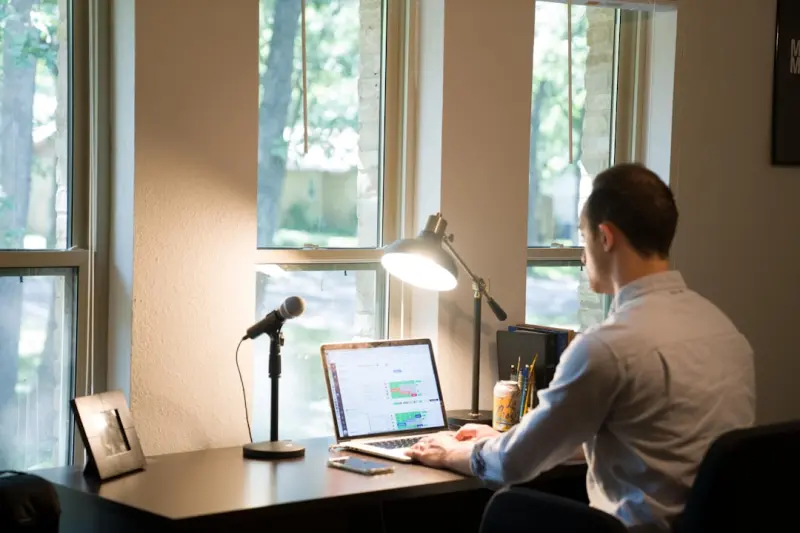
Micro‑Movements and Air Quality: A Remote Worker’s Health Playbook
A practical guide showing remote workers how tiny stretches, better indoor air, smart tech, and simp... Read More
Top Posts
Conversational Commerce: Turning B2B Chat into Revenue
A deep dive into conversational commerce for B2B, covering strategy, technology, metrics, and a 30‑day action plan to turn chat interactions into measurable r...Read More

Mastering Your Body Clock: A Remote Worker’s Guide to Peak Energy
Discover how to synchronize your circadian rhythm with daily work habits, using light exposure, timed nutrition, micro‑movements, and a sleep‑friendly envir...Read More

Micro‑Communities: The Hidden Engine Driving Modern Marketing
Explore the rise of micro‑communities in marketing, why they matter, and how to create authentic, data‑driven brand tribes that drive real growth....Read More
Secret Storage Hacks: Turn Everyday Items into Home Organizers
Learn how to repurpose everyday objects into hidden storage solutions that maximize space, simplify organization, and give each room a fresh, clutter‑free loo...Read More
0 Comments
Post Comment
You will need to Login or Register to comment on this post!